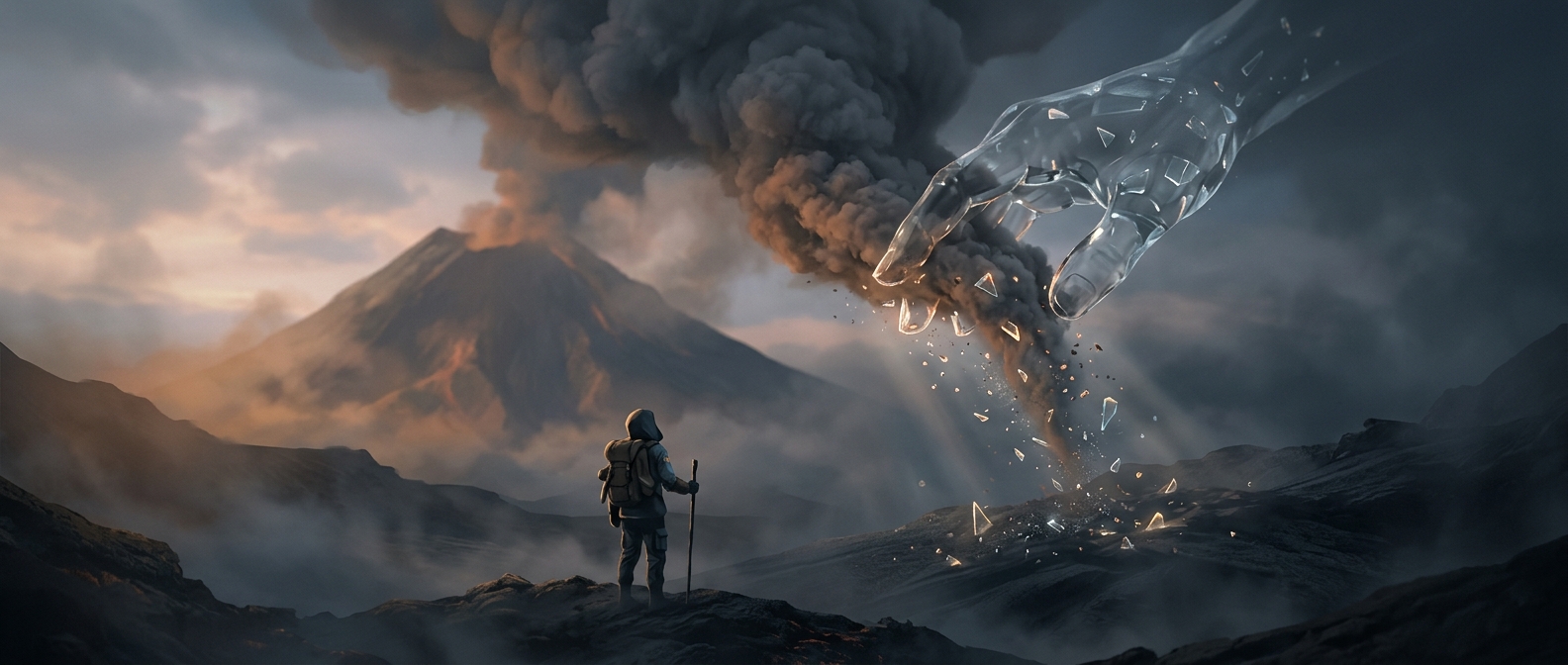
How an eruption turns rock into ash
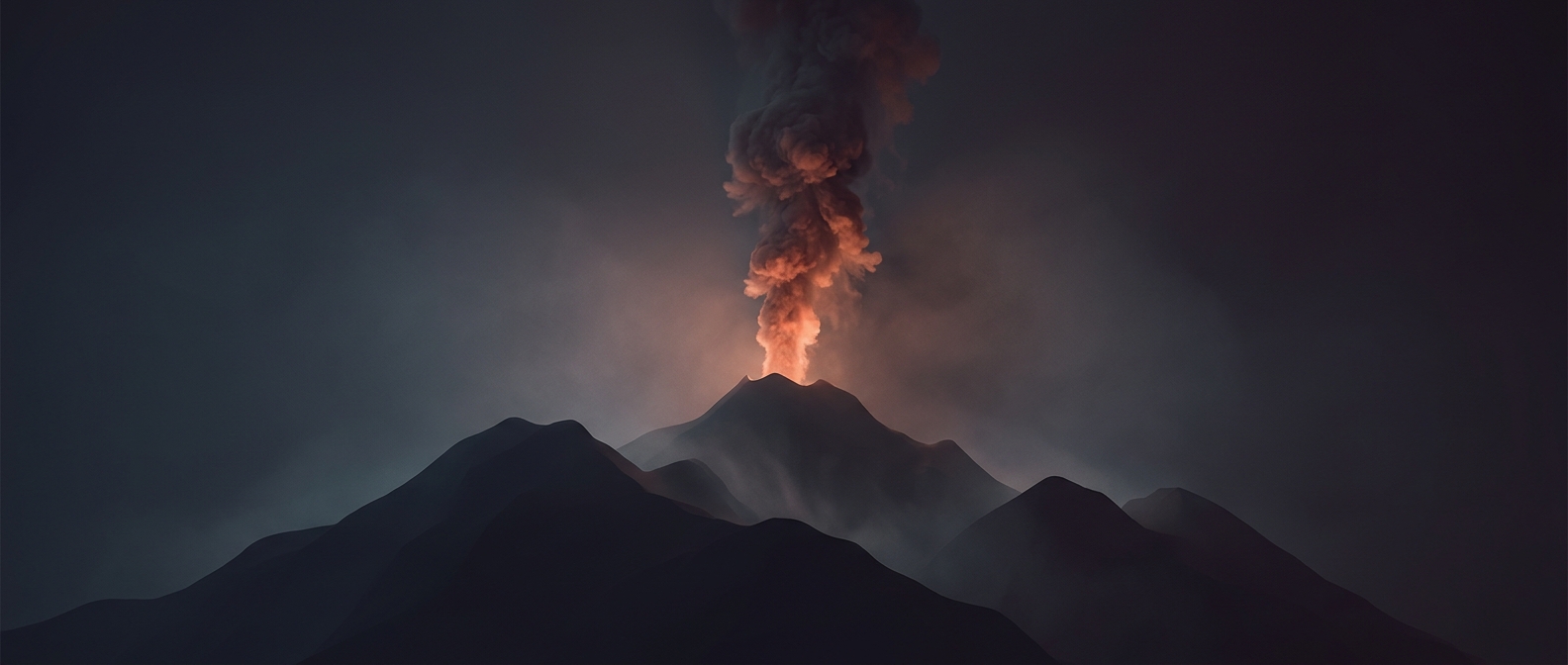
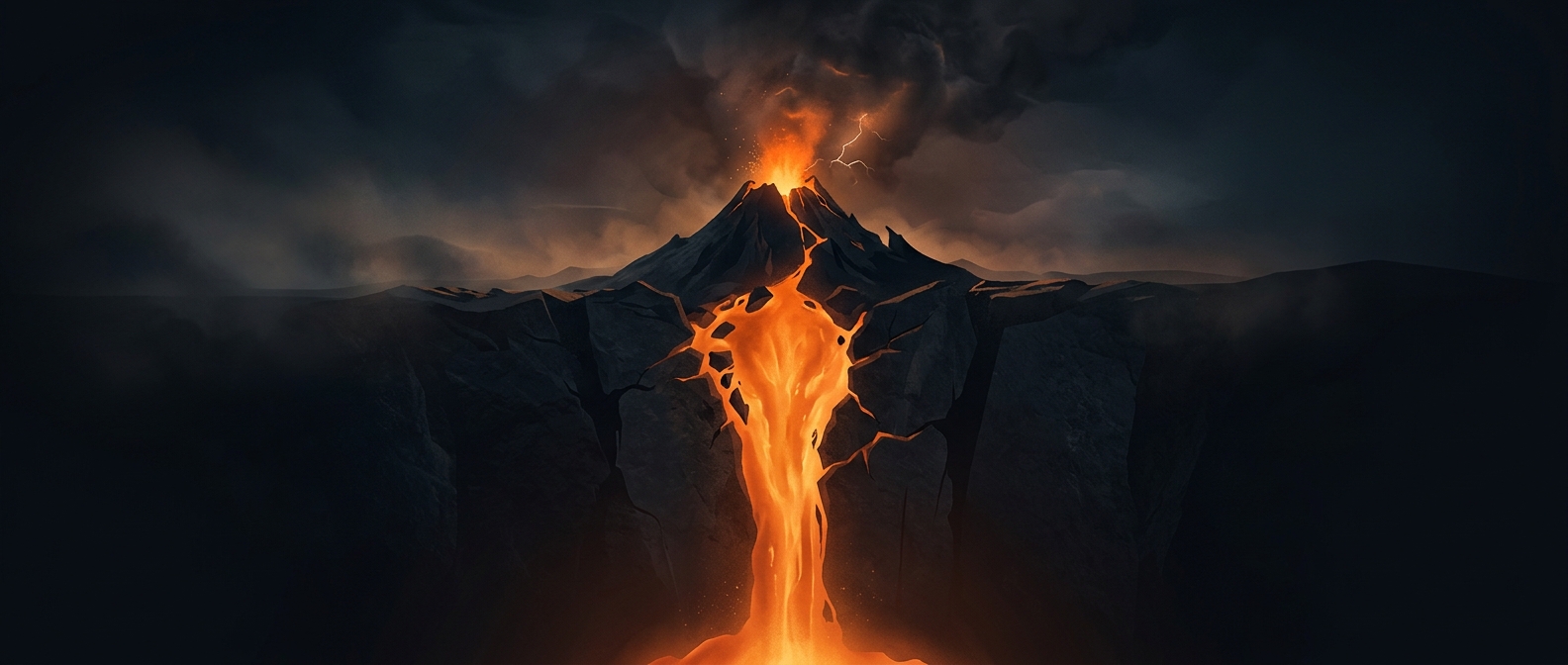
Volcanic ash begins as magma—molten rock underground—rising toward the surface. As pressure drops, dissolved gases expand into bubbles. In explosive eruptions, rapidly expanding gas can tear magma apart; eruptions can also blast solid rock from the volcano’s walls and nearby ground. The fragments collide and break further as they surge through the vent and plume.
The result is a mixture of mineral grains, bits of older rock, and glass formed when molten material cools too quickly for crystals to grow. “Ash” is a size category, not a description of what the material is made from: volcanic ash consists of particles smaller than about 2 millimeters. Larger fragments fall closer to the volcano, while the finest can remain suspended in the atmosphere and travel far downwind.
Why the material keeps causing trouble
Ash behaves differently from the soft residue left by a fire. Its hard, irregular grains can abrade surfaces, clog filters, and wear down machinery. In aircraft, ash can damage exposed parts and, under the right conditions, melt inside hot engines and then harden again as it cools. That is why an ash cloud is an aviation hazard even when it is difficult to see from the ground.
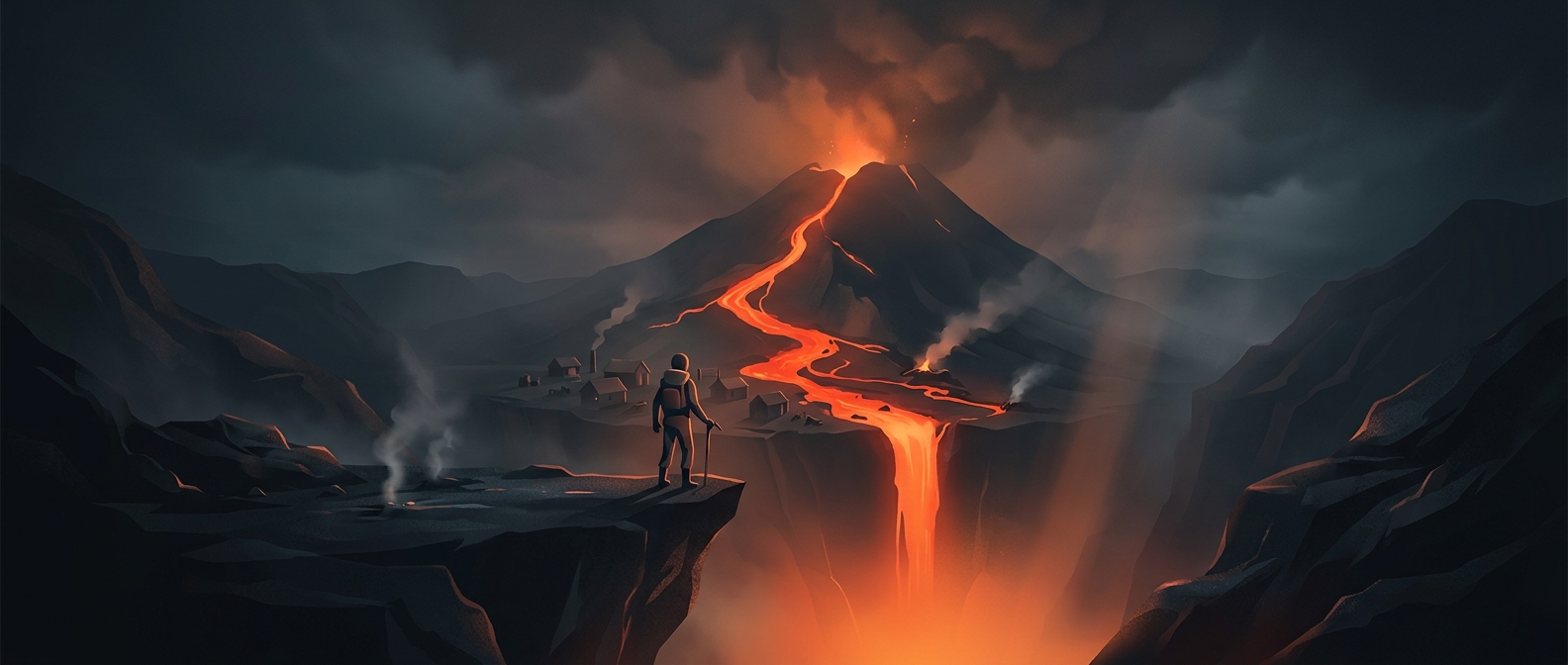
After falling, ash can also burden roofs, contaminate water supplies, and become airborne again when wind or traffic stirs it up. The same fine particles that make ash travel widely can therefore extend an eruption’s effects well beyond the lava and explosions at the volcano itself.