How volcanic ash becomes fertile ground
Fresh volcanic ash is made of tiny fragments of rock and volcanic glass. Over time, rain and chemical weathering break those particles down, releasing nutrients such as potassium, phosphorus, and calcium into the soil. The resulting ground can support productive crops, though its usefulness depends on the ash’s composition and how much has weathered.
That transformation is slow: particles must be altered and incorporated into soil before plants can benefit. An eruption, by contrast, can move ash and rock in minutes.
When an eruption turns the slope into a hazard
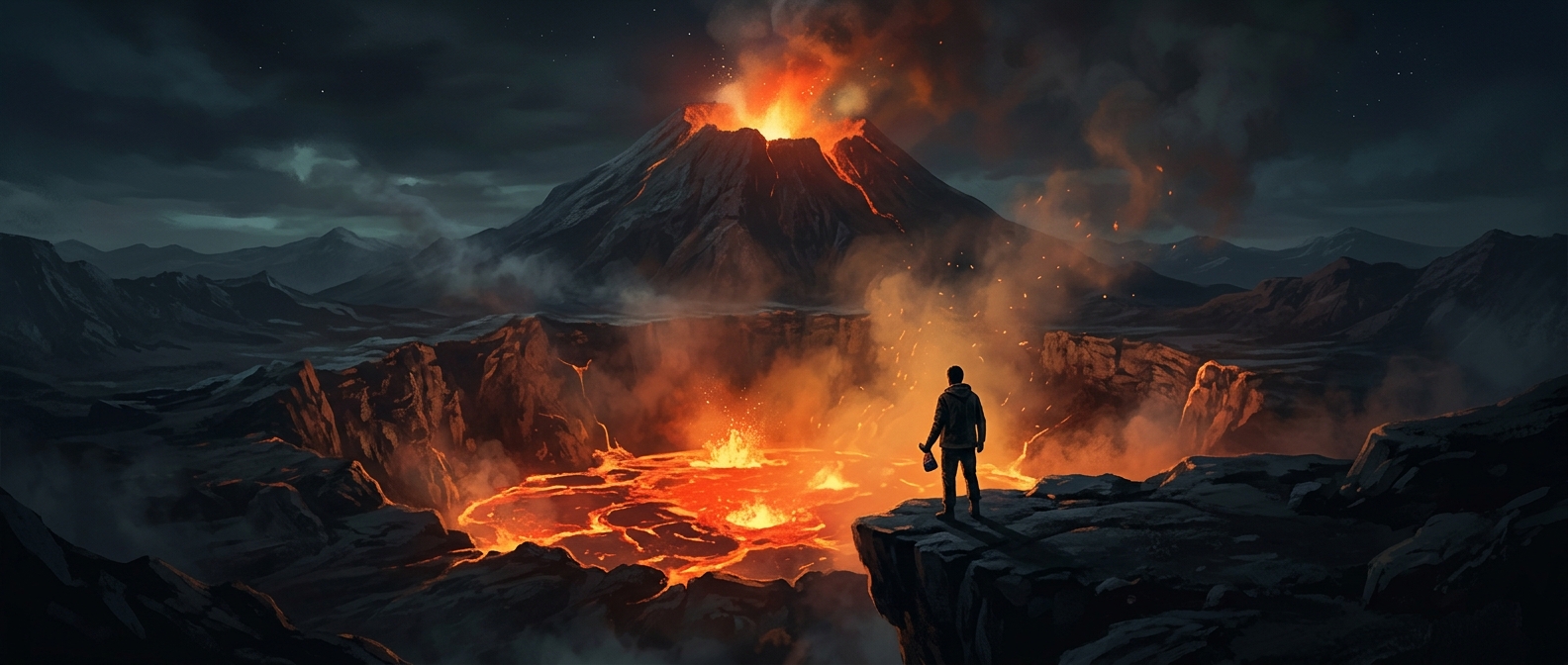
Some eruptions generate pyroclastic flows—dense, ground-hugging mixtures of hot gas, ash, and rock fragments. Driven by gravity, they can surge down a volcano’s slopes, fill valleys, and spill past the rim. The ash in such a flow is not simply a blanket of dust: it is part of a turbulent, extremely hot mass capable of overwhelming places in its path.
Ashfall is different. It is finer material carried through the air and deposited over a wider area; it can burden roofs, irritate lungs, and disrupt daily life without behaving like a fast-moving ground flow. Both hazards can arise from the same eruption, but they threaten communities in different ways.
The mountain’s double legacy
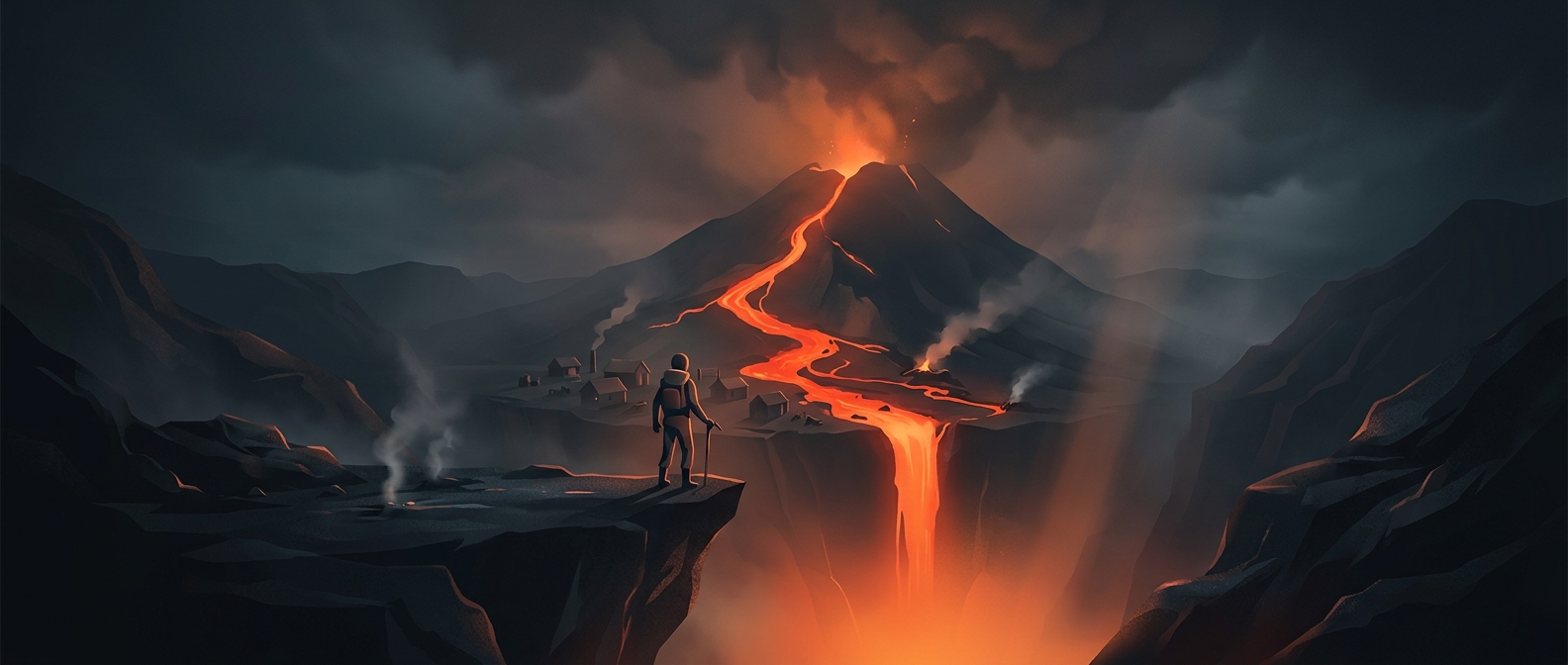
Volcanic landscapes can reward people who farm their soils while placing homes and fields within reach of sudden flows. The danger is not a contradiction of the soil’s fertility: both come from volcanic material, acting on radically different timescales. What becomes useful soil through years of weathering can, during an eruption, be part of a hot surge that crosses the volcano’s edge in moments.