A closer look
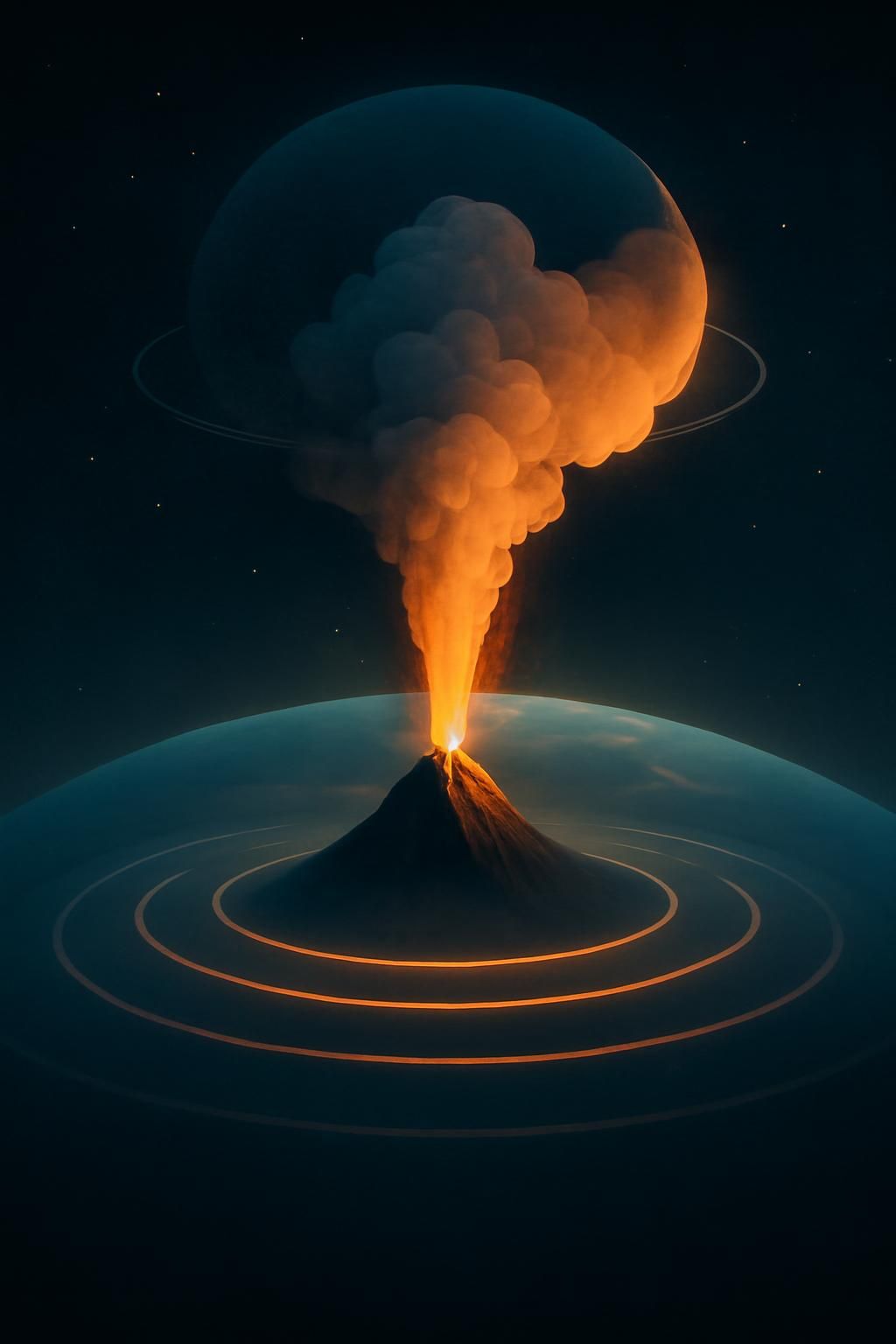
In 2022, a volcano hidden mostly underwater punched a hole into the sky so violently it sent ripples around the planet. The Hunga Tonga eruption blasted ash and water vapor straight into the stratosphere, generating atmospheric waves that circled Earth multiple times and even briefly disrupted satellite communications. Unlike many eruptions that cool the planet by injecting reflective particles, this one hurled an enormous amount of water vapor high above, a greenhouse gas that can temporarily warm. It was a real-time stress test of our monitoring systems: satellites, ocean buoys, and barometers worldwide capturing a planetary-scale heartbeat. Events like this remind us that Earth's climate is not a gentle background but an active, occasionally explosive system. While human emissions drive the long-term trend, massive natural pulses still crash through the signal. Understanding both is crucial if we want our models to do more than just draw straight lines through data and call it destiny.