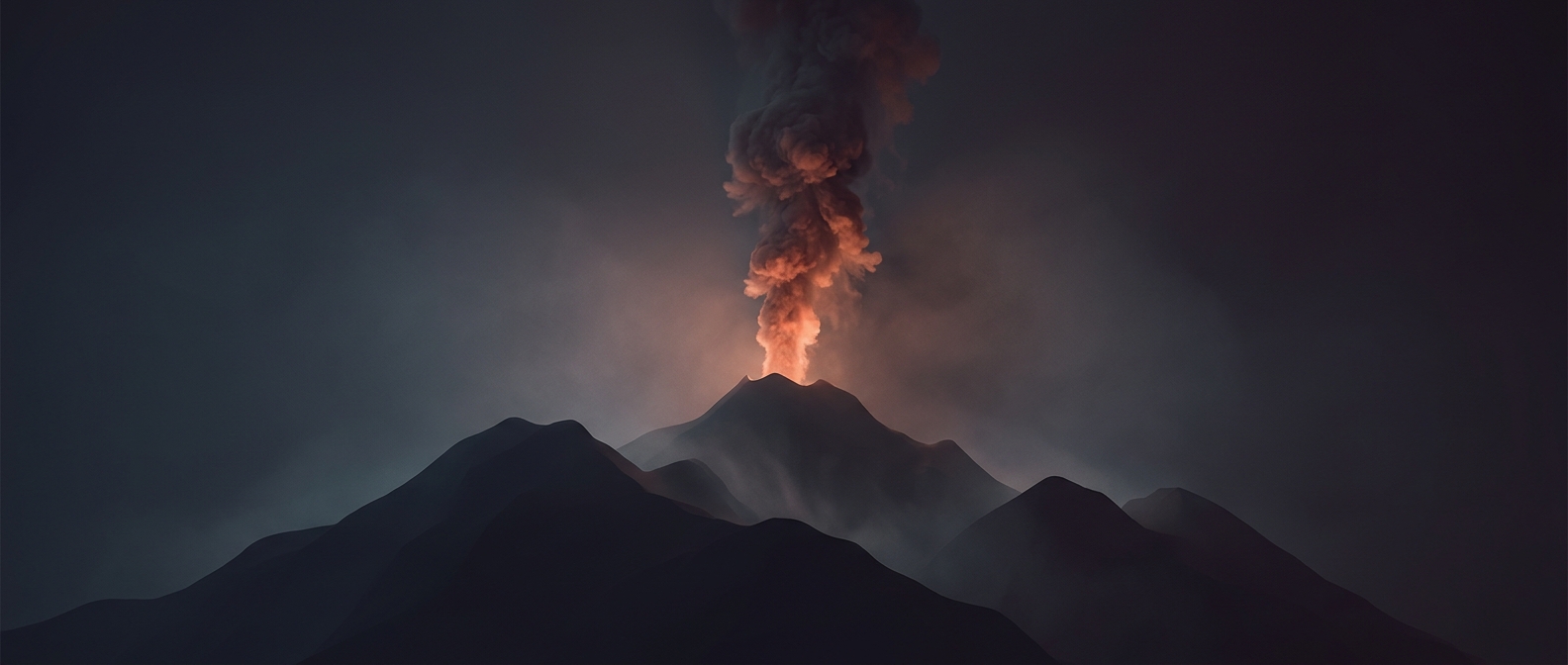
How trapped gas turns a quiet volcano explosive
Magma is molten rock beneath Earth’s surface. It contains dissolved gases—much as a sealed bottle of soda holds carbon dioxide in its liquid. Deep underground, intense pressure keeps much of that gas dissolved. As magma rises toward the surface, pressure drops, and the gas begins to form bubbles.
In runny magma, bubbles can move upward and escape. But magma rich in silica tends to be thicker and stickier, so bubbles struggle to pass through it. Gas accumulates faster than it can get out, swelling the magma and raising pressure inside the volcanic plumbing.
When the pressure finds a way out
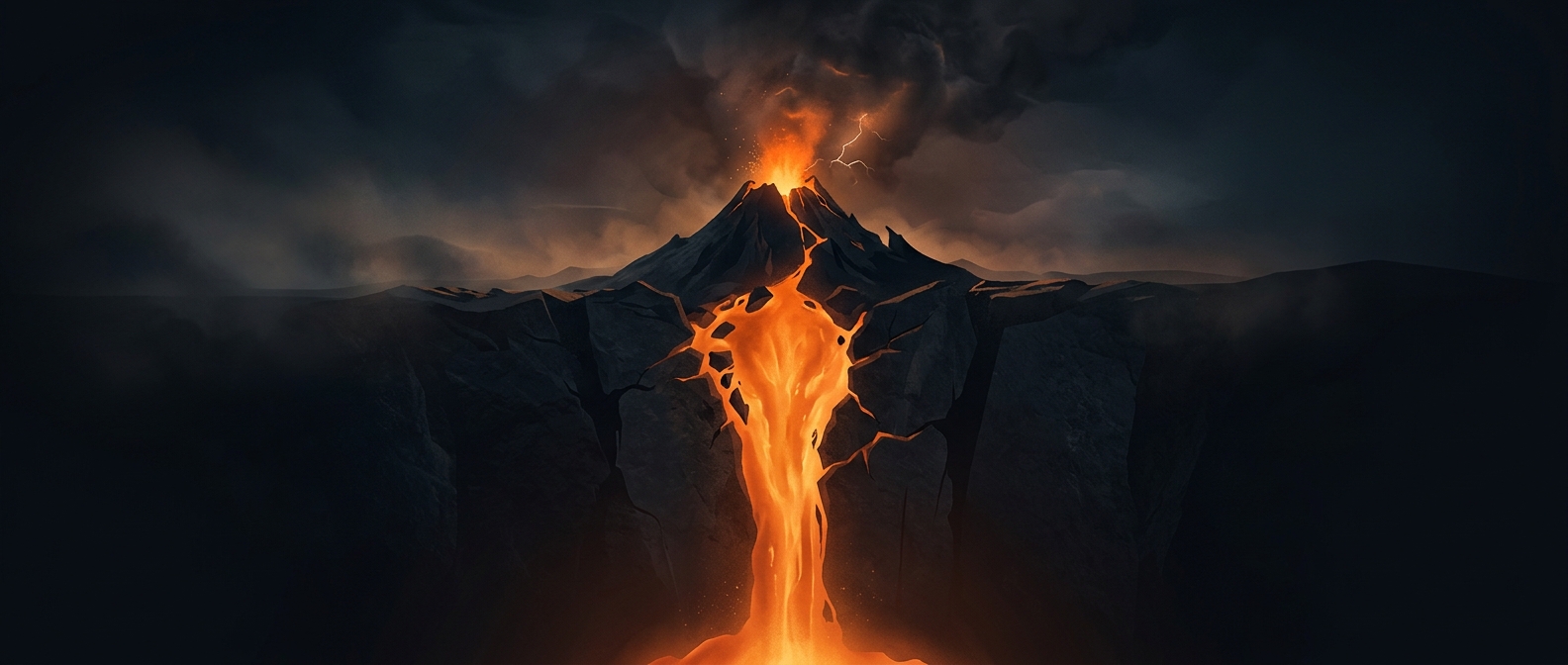
The surrounding rock can hold back that pressure only so long. Once the force exceeds the strength of the rock or a sealed section of the volcano, cracks open and gas expands rapidly. That expansion can fragment the magma into ash and larger pieces of rock, driving an explosive eruption.
The key is not simply that a volcano contains gas: many magmas do. Explosiveness depends in part on whether gas can escape while the magma rises. A volcano can therefore look calm at the surface even as conditions change underground. Quiet is no guarantee that pressure is low; it may mean the gas has not yet found an easy route out.