Why measurements have to happen at the lava flow
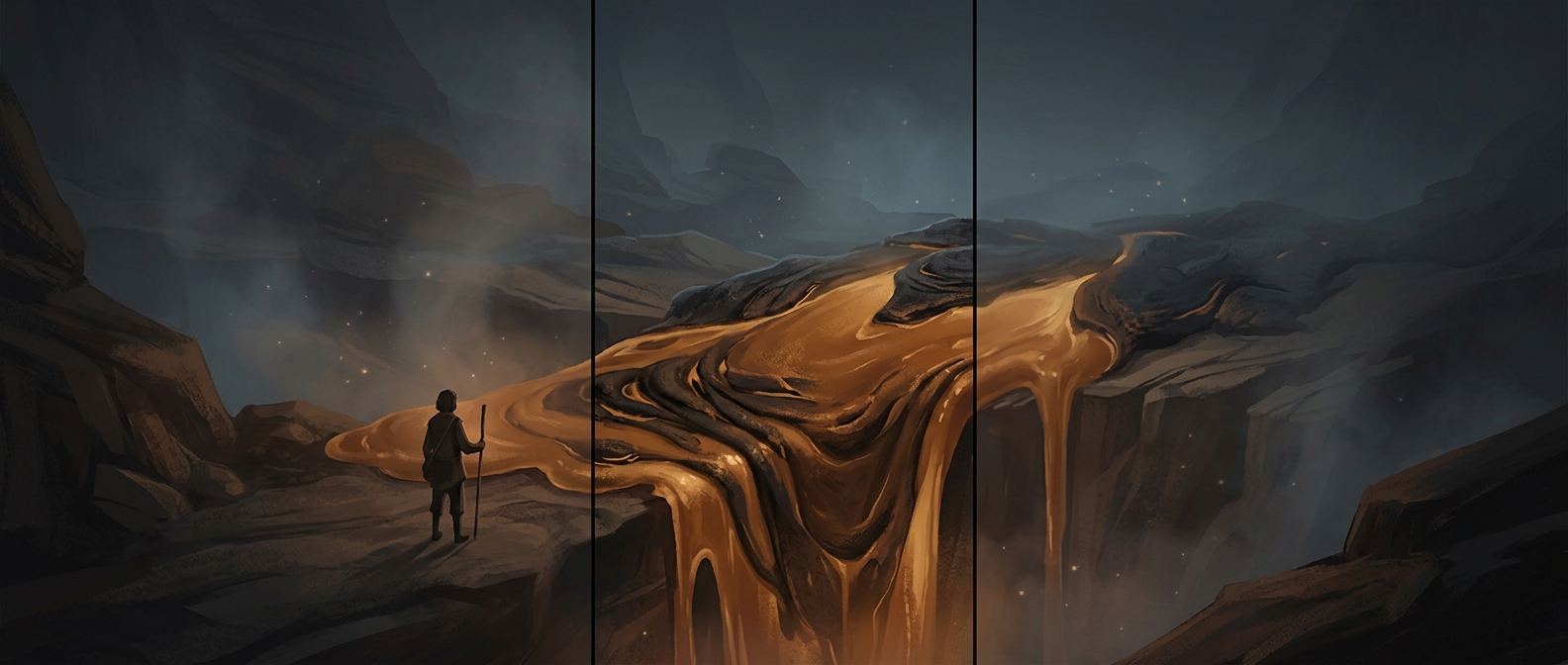
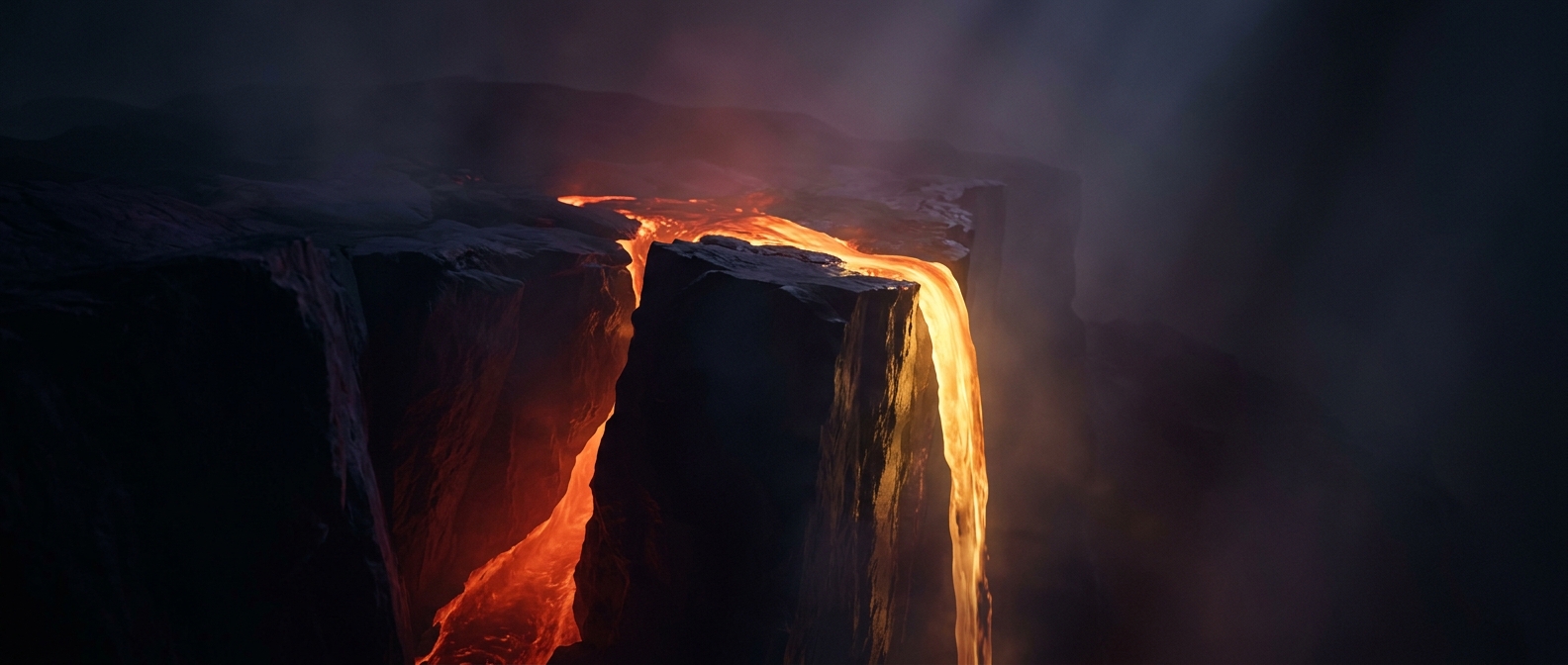
Molten lava is not a fixed substance waiting to be analyzed. As it moves away from a vent, it loses heat, begins to form solid crystals, and releases some of its dissolved gases. Those changes can alter its texture and chemistry. A sample collected later may still reveal what the lava became, but not exactly what it was like as it emerged.
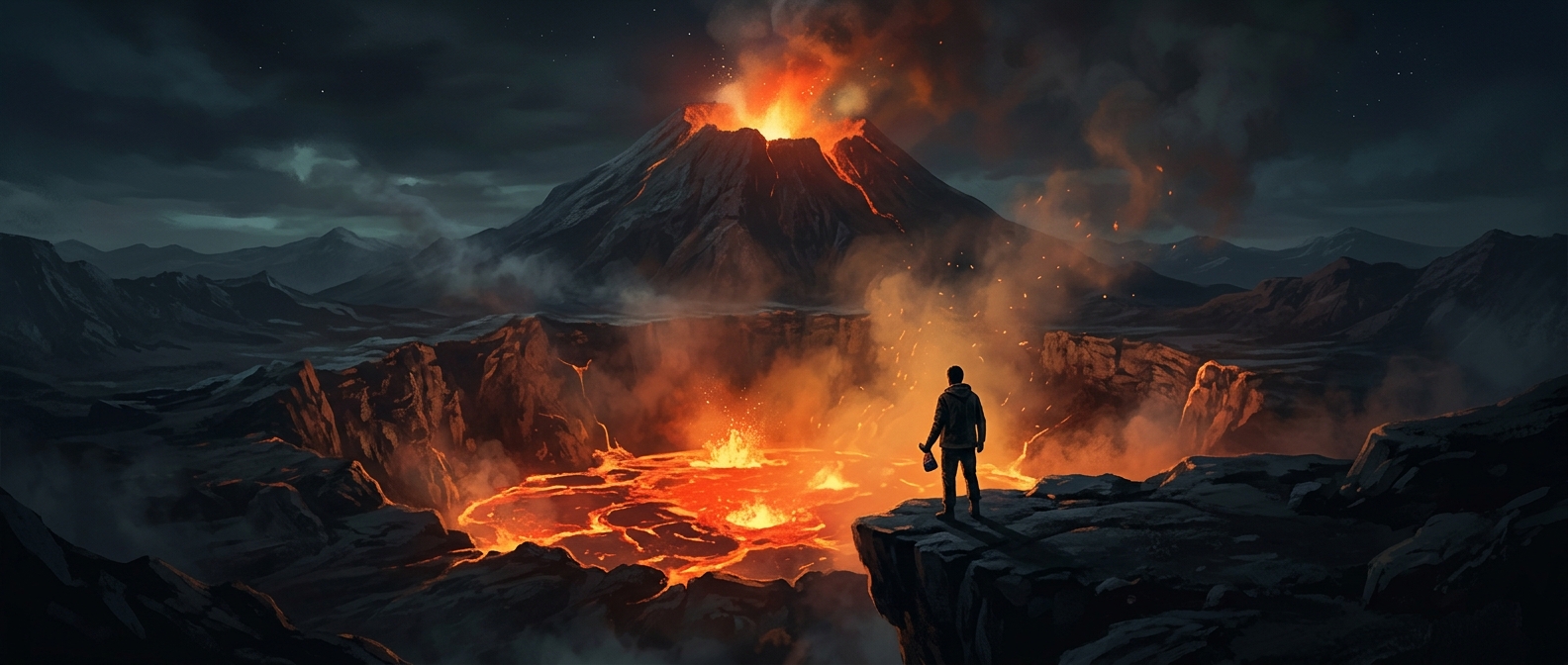
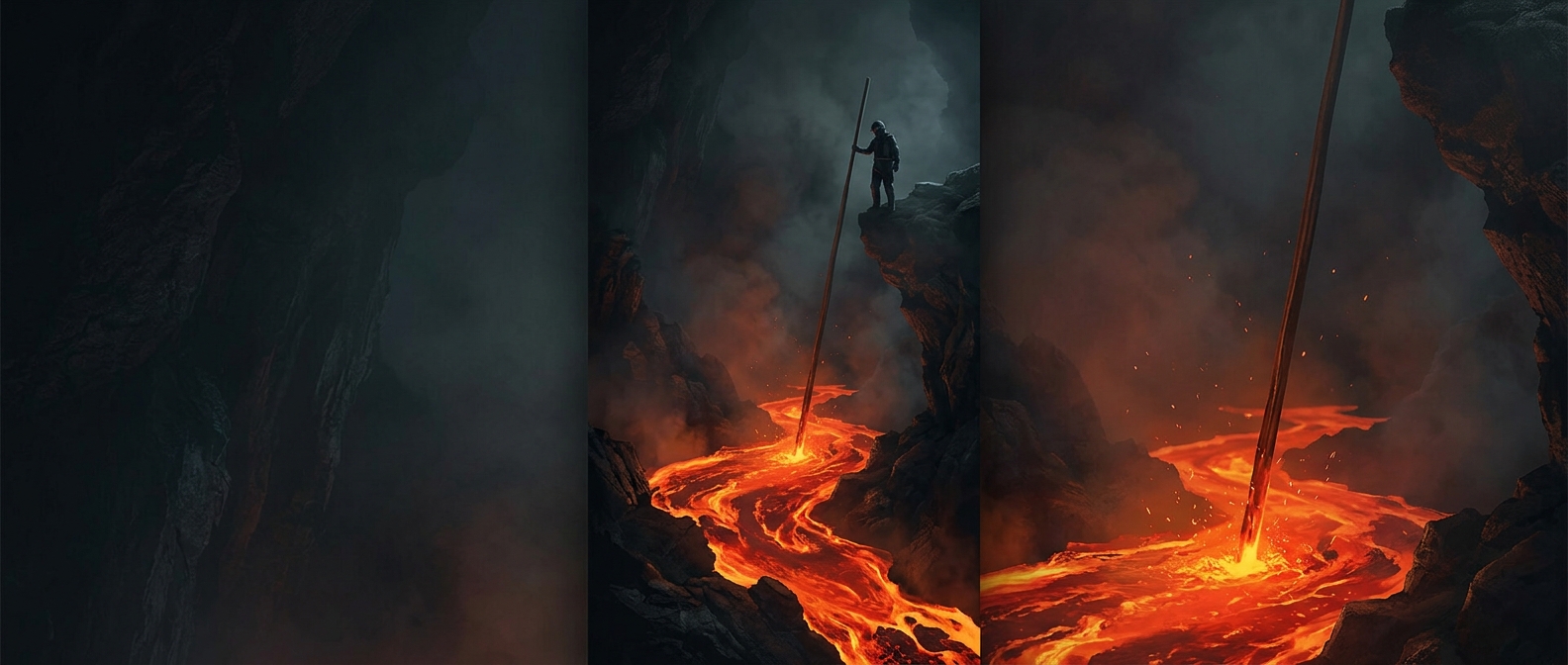
That is why researchers sometimes bring measuring instruments right to the flow, and may briefly immerse a probe in the molten rock. A temperature probe records conditions directly; nearby instruments can also monitor gases escaping from the lava. These measurements capture a changing process in real time rather than asking a cooled sample to preserve it.
The instrument faces a harsh environment
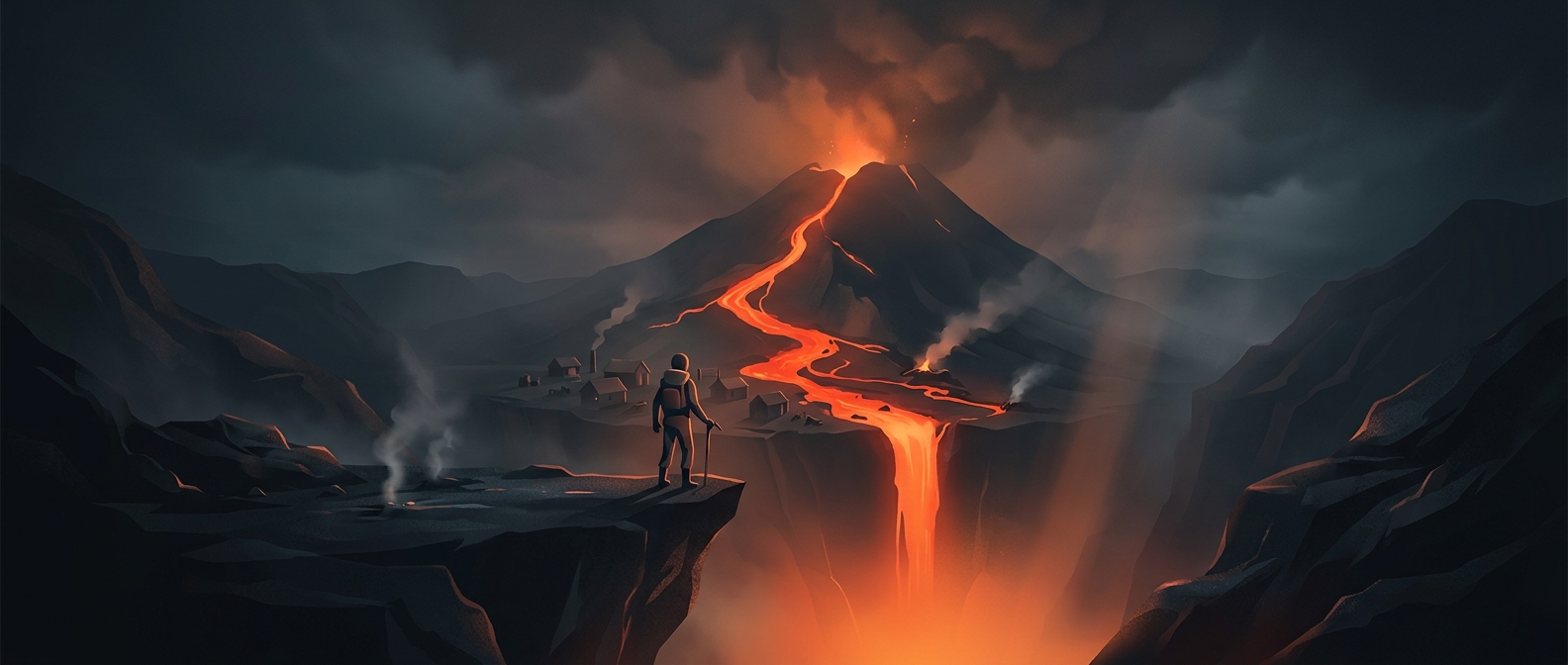
Lava’s heat can damage equipment, and its surface may crust over while hotter material continues moving beneath it. A probe therefore has to tolerate intense heat long enough to register a reading, while researchers keep themselves at a workable distance and limit exposure. A reflective suit helps reduce the radiant heat reaching the body—the energy emitted by the hot lava—but it does not make the area safe from every volcanic hazard.
The practical challenge is to get a measurement before the lava changes, without keeping a person or instrument near it longer than necessary. Even a brief contact can provide information that would be lost as the flow cools and its gases escape.
A snapshot of a moving process
Readings taken at the flow can help scientists distinguish the conditions at the vent from the changes that happen downstream. The key is timing: the closer the measurement is to the lava’s emergence, the more directly it reflects the hot, gas-bearing material before cooling reshapes it.