Why Some Lava Moves at a Walking Pace
Lava is molten rock, but it does not behave like a single, uniform liquid. Its speed depends largely on how easily it can flow and how strongly gravity pulls it downhill. Runny lava can travel much faster than thick lava, while a shallow slope gives even fluid rock less force to carry it forward.
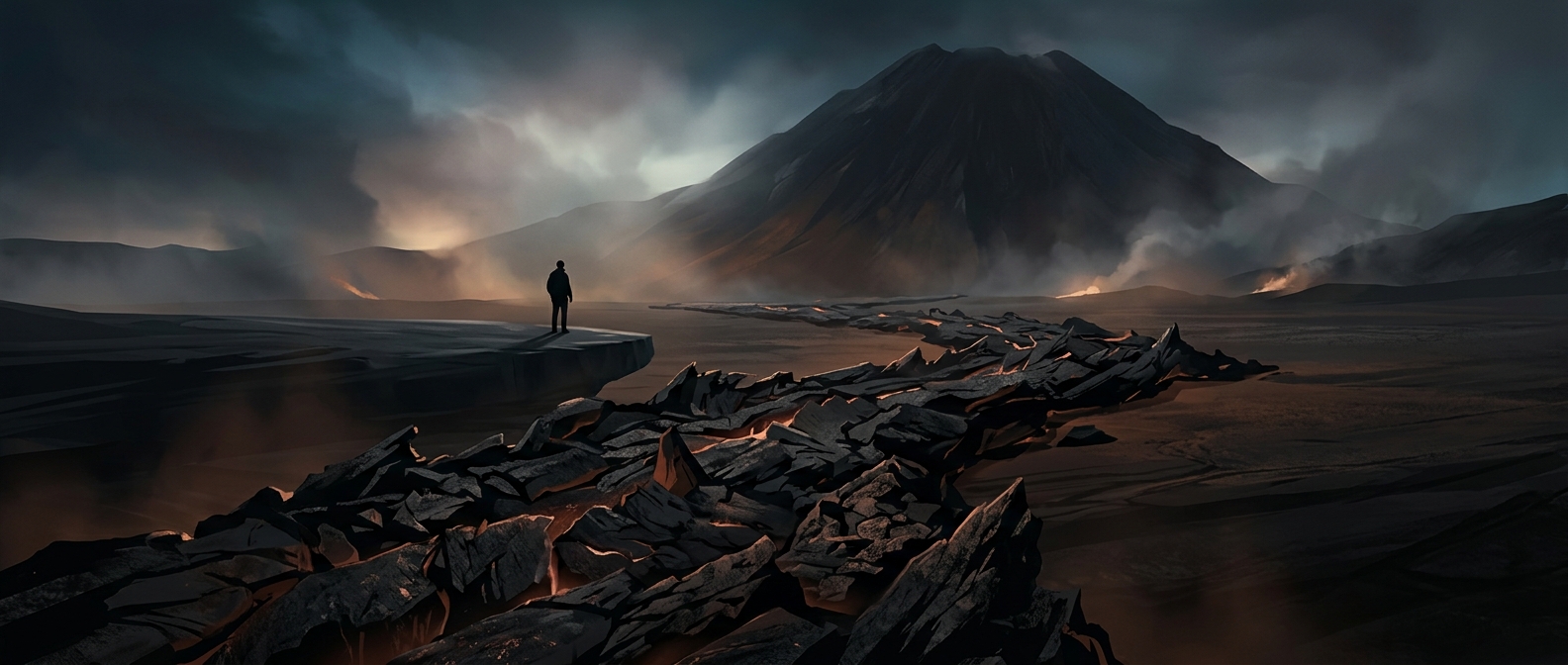
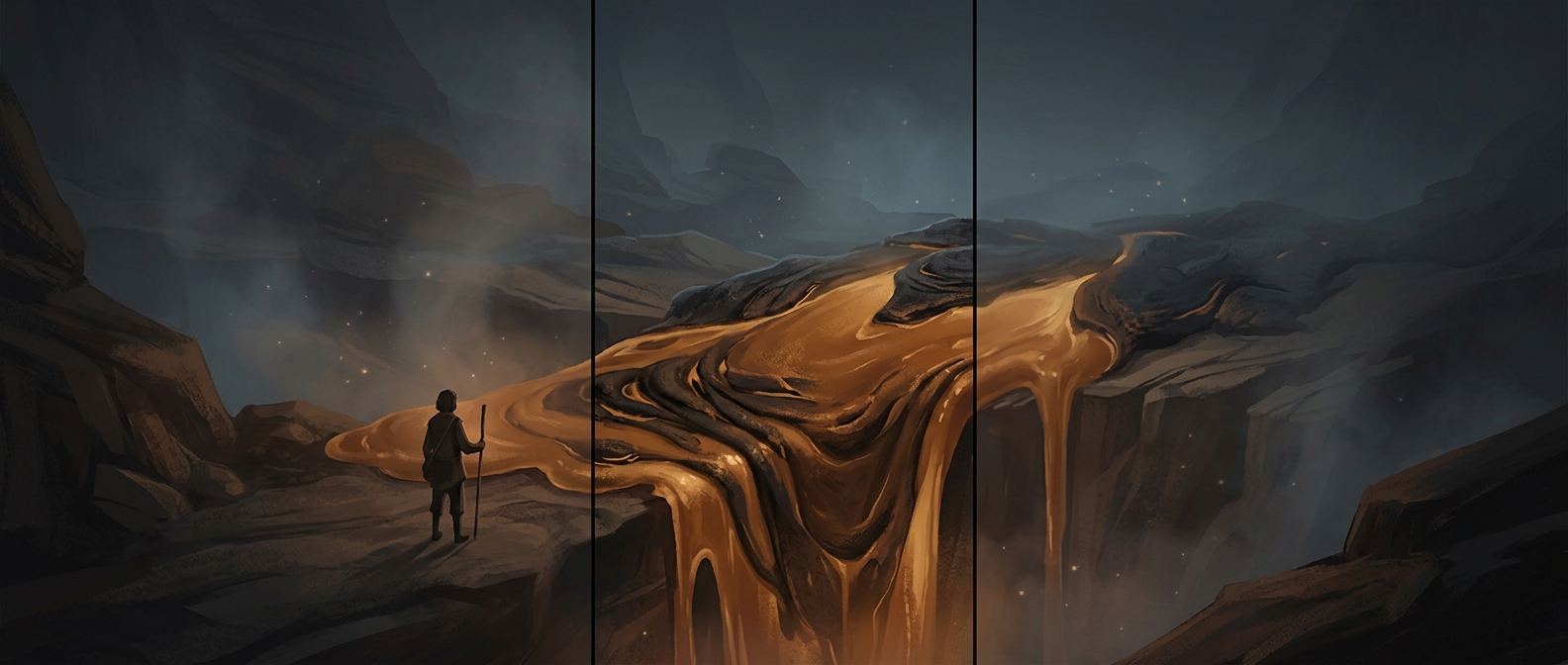
As lava cools, crystals begin to form and the melt becomes more resistant to movement—rather like a liquid thickening as it sets. Some lava also contains abundant gas bubbles or breaks into rough fragments, which can make its motion less like a smooth stream and more like a slow-moving pile. A thick, cooling flow on a gentle slope may therefore advance at a pace a person could exceed on foot.
Slow Does Not Mean Harmless
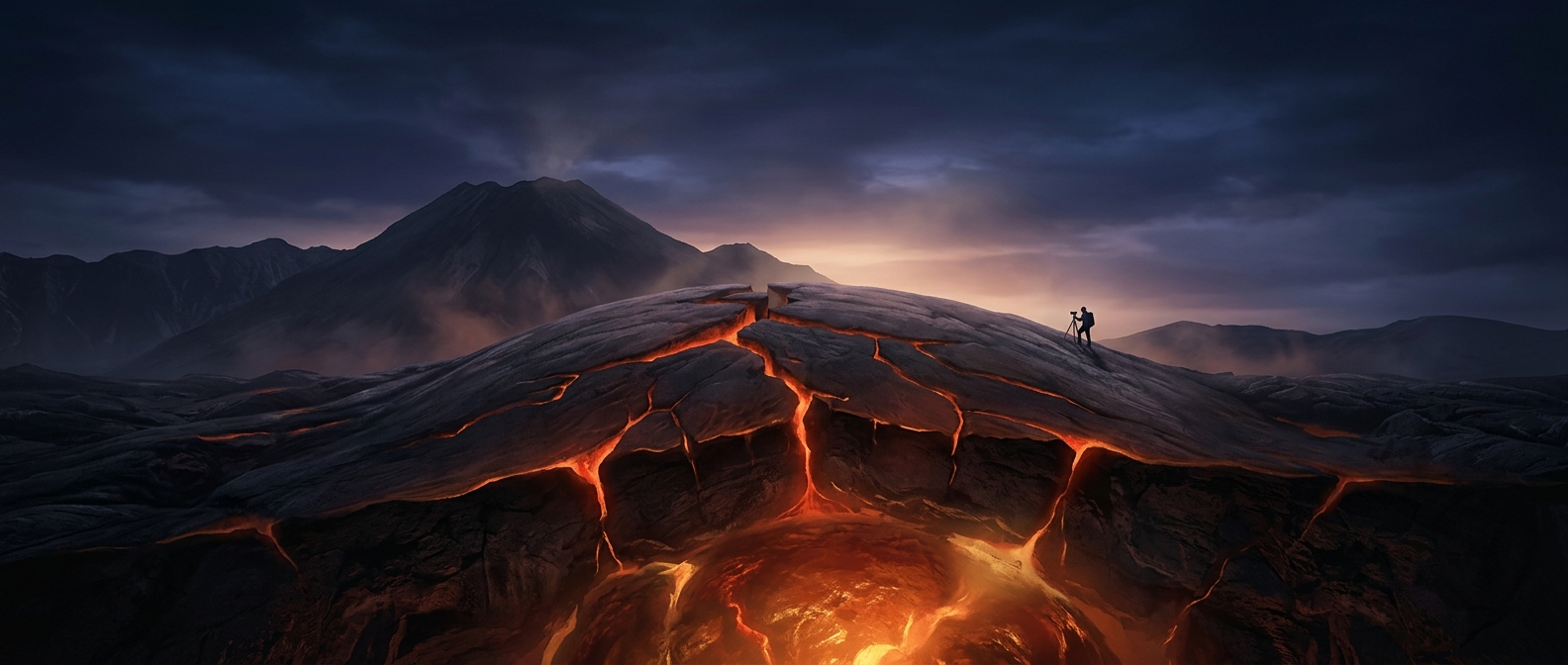
A flow’s visible edge can creep forward while the rock behind it remains hot enough to burn, ignite, or bury whatever it reaches. Lava can also split around obstacles, fill low ground, and build up until it overtops a barrier. Its path and speed may change as the terrain changes or the supply of molten rock continues.
That is why a dramatic-looking walking shot is not a measure of safe distance. People should follow official instructions and avoid approaching lava: even when its front advances slowly, the ground nearby can be unstable, heat can be intense, and conditions can shift. The flow may be slow enough to outrun, but outrunning it is not the same as escaping its hazards.