stackyFACTS
Science

Why asteroid Ryugu is so unusually dark

HERE’S THE INTERESTING PART

Floating space rocks are constantly getting sunburned by the galaxy. When the Hayabusa2 mission returned samples from the asteroid Ryugu, they revealed that micrometeorite impacts and relentless solar wind literally weather the rock, creating a baked, iron-rich nanoparticulate crust that explains why many near-Earth asteroids look so incredibly dark.
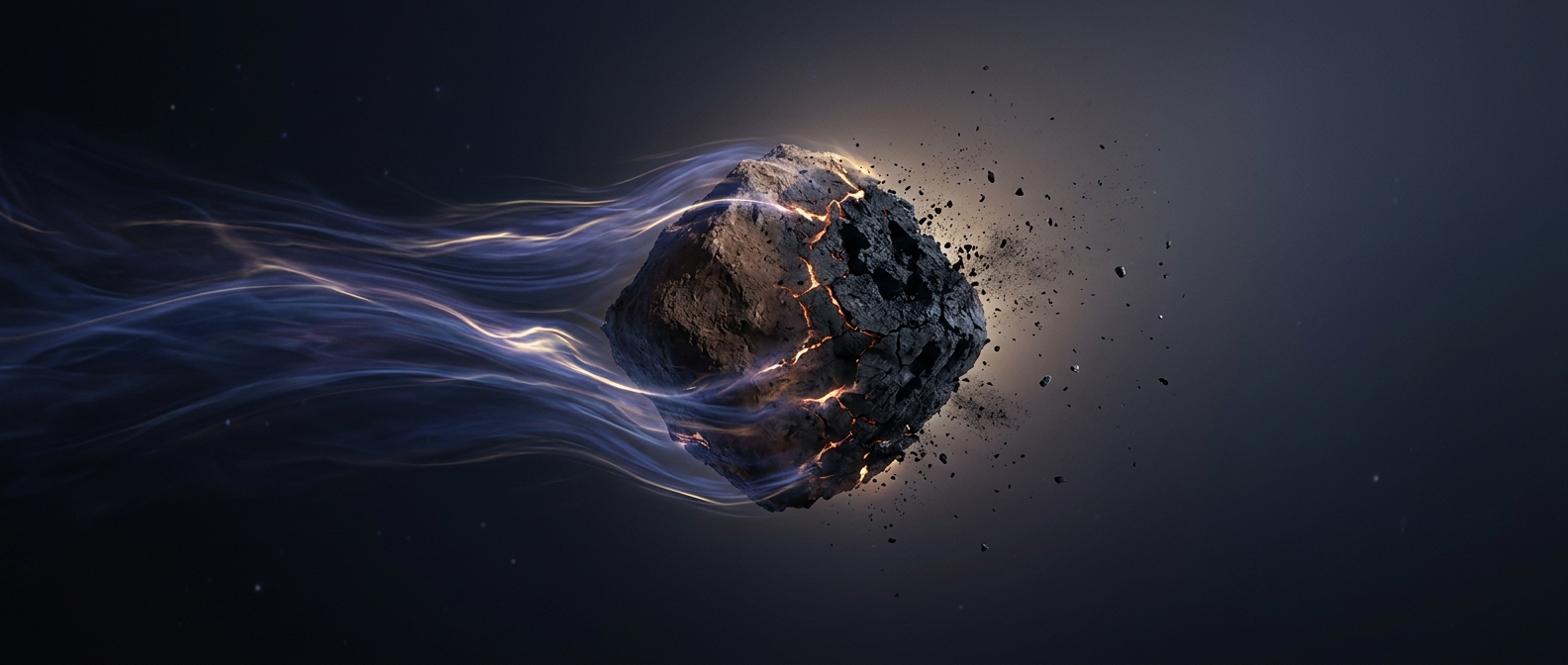
Why asteroid Ryugu is so unusually dark
STACKY / Science
One discovery leads to another.

Keep exploring facts in this topic.

Science →
STACKY FOR IPHONE

A bigger world.
One discovery
at a time.

Keep discovering with Stacky. Interesting facts in an app that is always within reach.

Download on the App Store
ONE MORE DISCOVERY?

Keep exploring

All in this topic →
Why geologists sometimes lick rocks
Science

Why geologists sometimes lick rocks

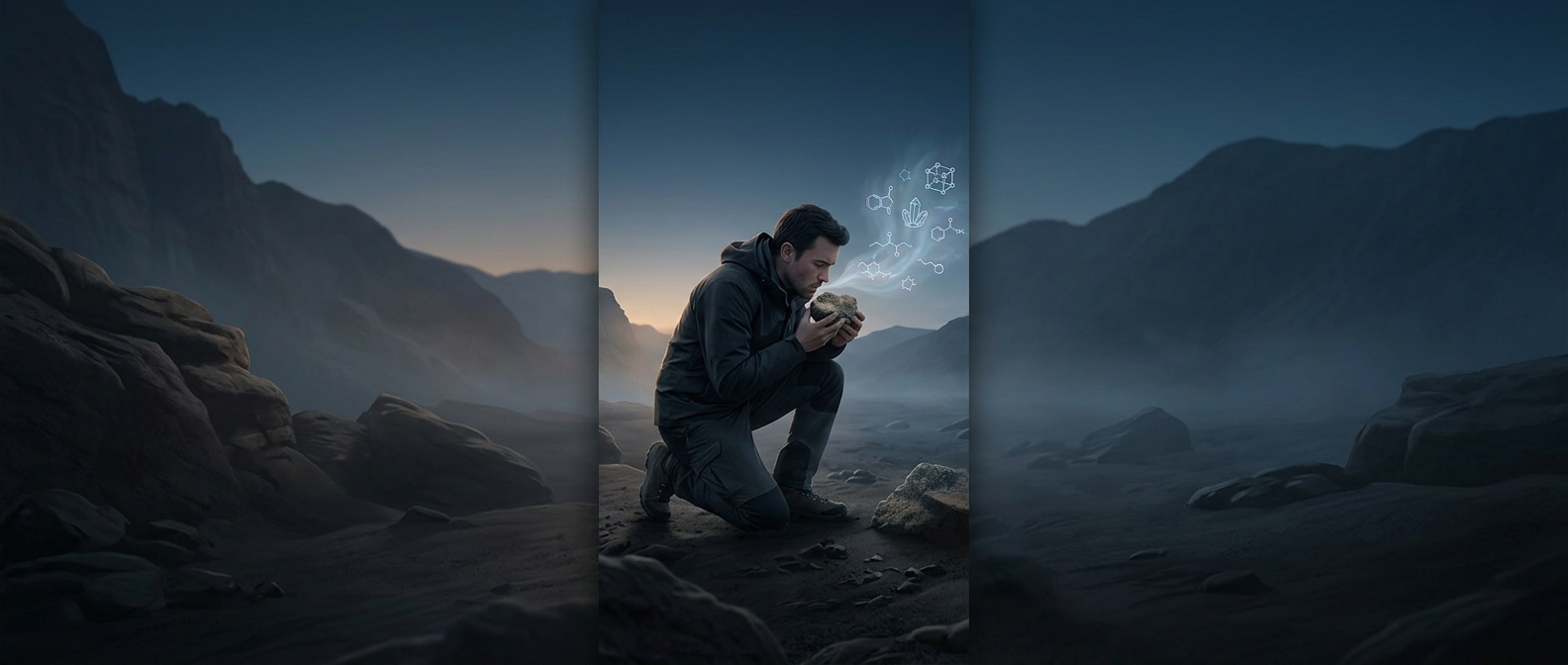
To the untrained eye, field researchers appear utterly insane, but pressing a dirty rock to your tongue is genuinely an official diagnostic technique for…

Discover more
How submarine sonar helped reveal seafloor spreading
Science

How submarine sonar helped reveal seafloor spreading

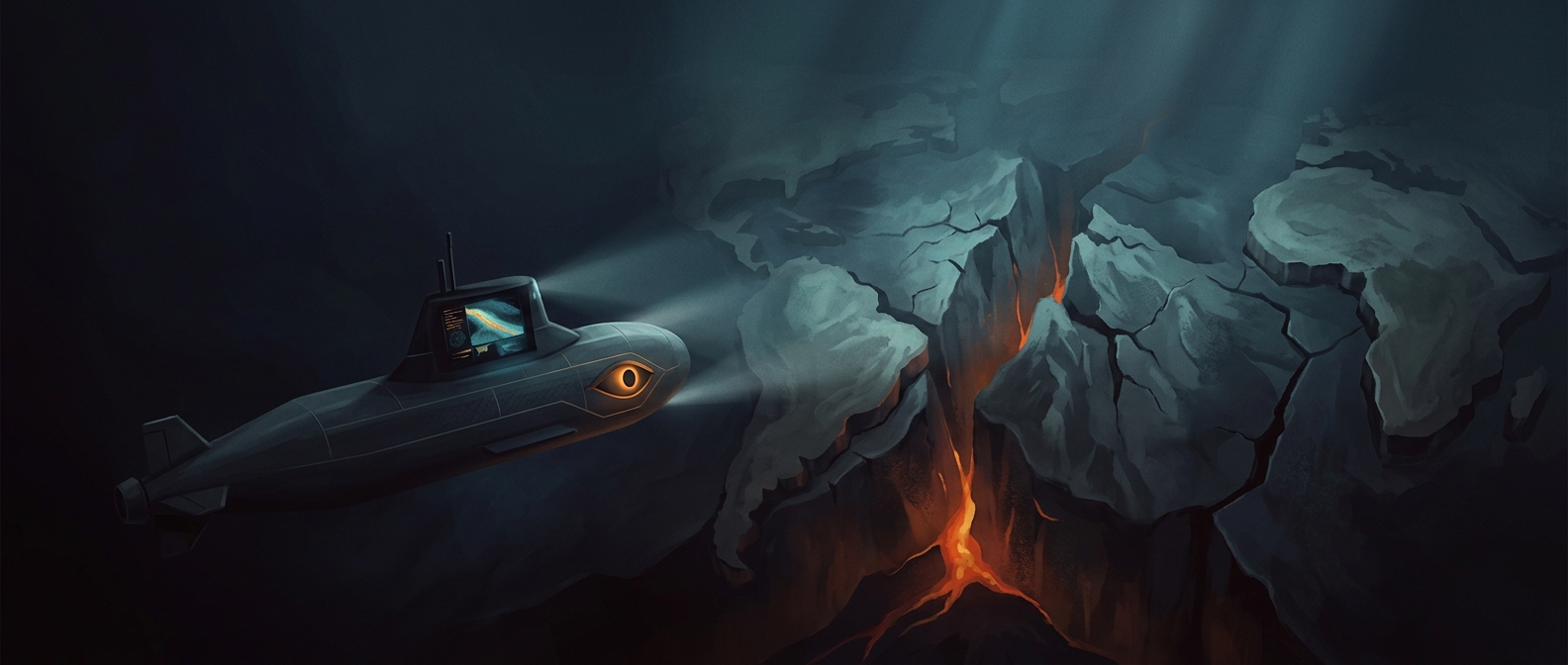
Harry Hess wasn't just hunting U-boats during WWII; he left his ship's sonar running and accidentally mapped flat-topped underwater mountains called guyots.…

Discover more
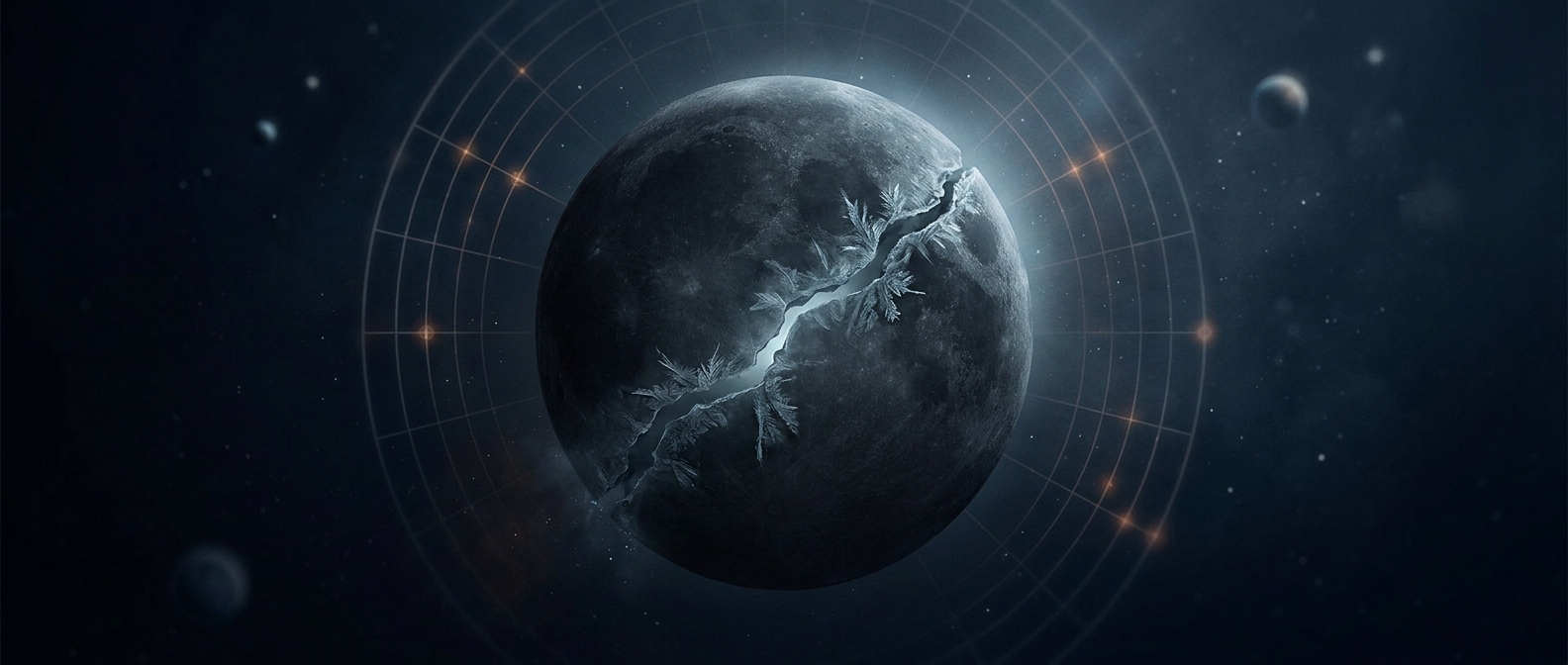
The Moon is shrinking—and causing moonquakes
Science

The Moon is shrinking—and causing moonquakes

The majestic glowing orb in our night sky is basically turning into a giant, rocky space raisin. As the Moon's once-molten interior has gradually cooled over…

Discover more
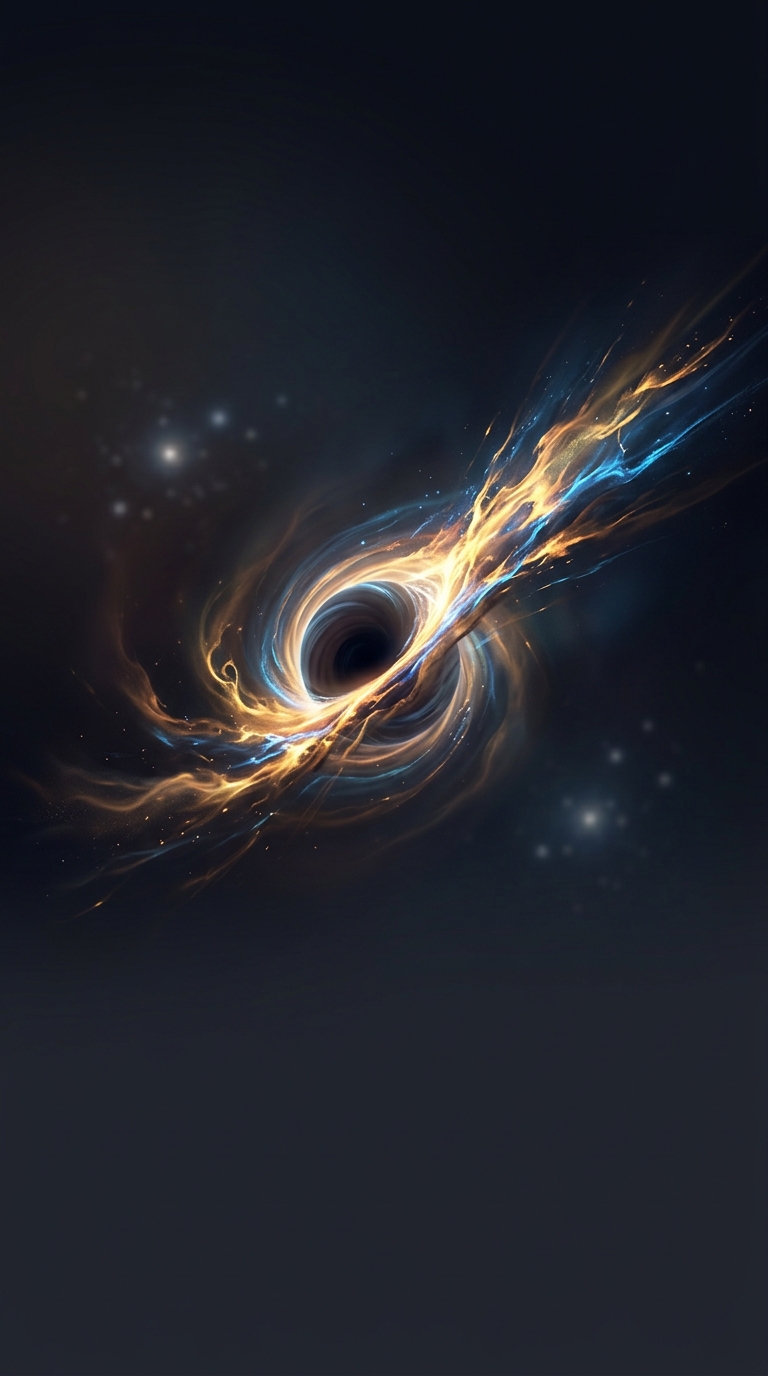
Supermassive black holes occasionally tear apart and consume wandering stars in a violent process called a tidal disruption event, but they do not always swallow their cosmic meals cleanly.
Science

Supermassive black holes occasionally tear apart and consume wandering stars in a violent process called a tidal disruption event, but they do not always swallow their cosmic meals cleanly.

Supermassive black holes occasionally tear apart and consume wandering stars in a violent process called a tidal disruption event, but they do not always…

Discover more
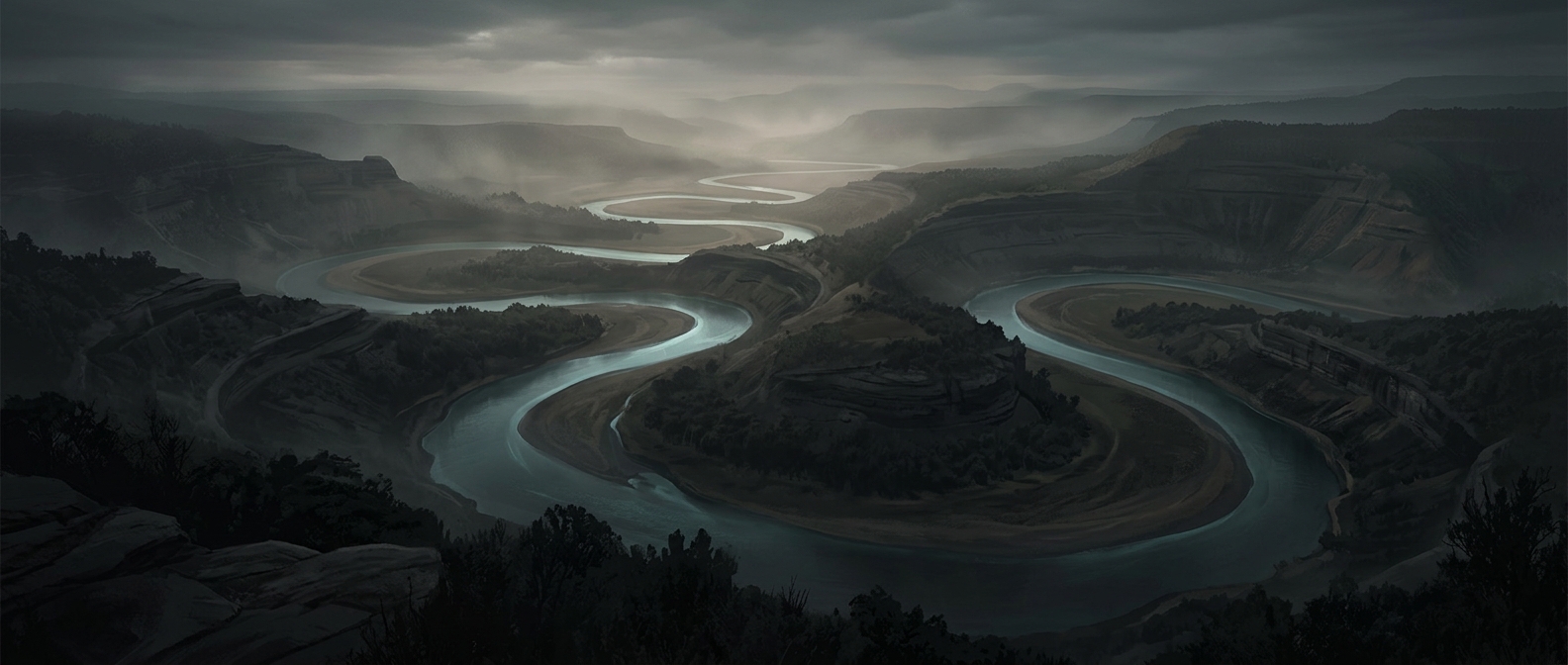
Why rivers twist into giant loops
Science

Why rivers twist into giant loops

Water flowing over flat terrain completely refuses to travel in a straightforward line. Thanks to minor disturbances, one side of the bank erodes faster while…

Discover more
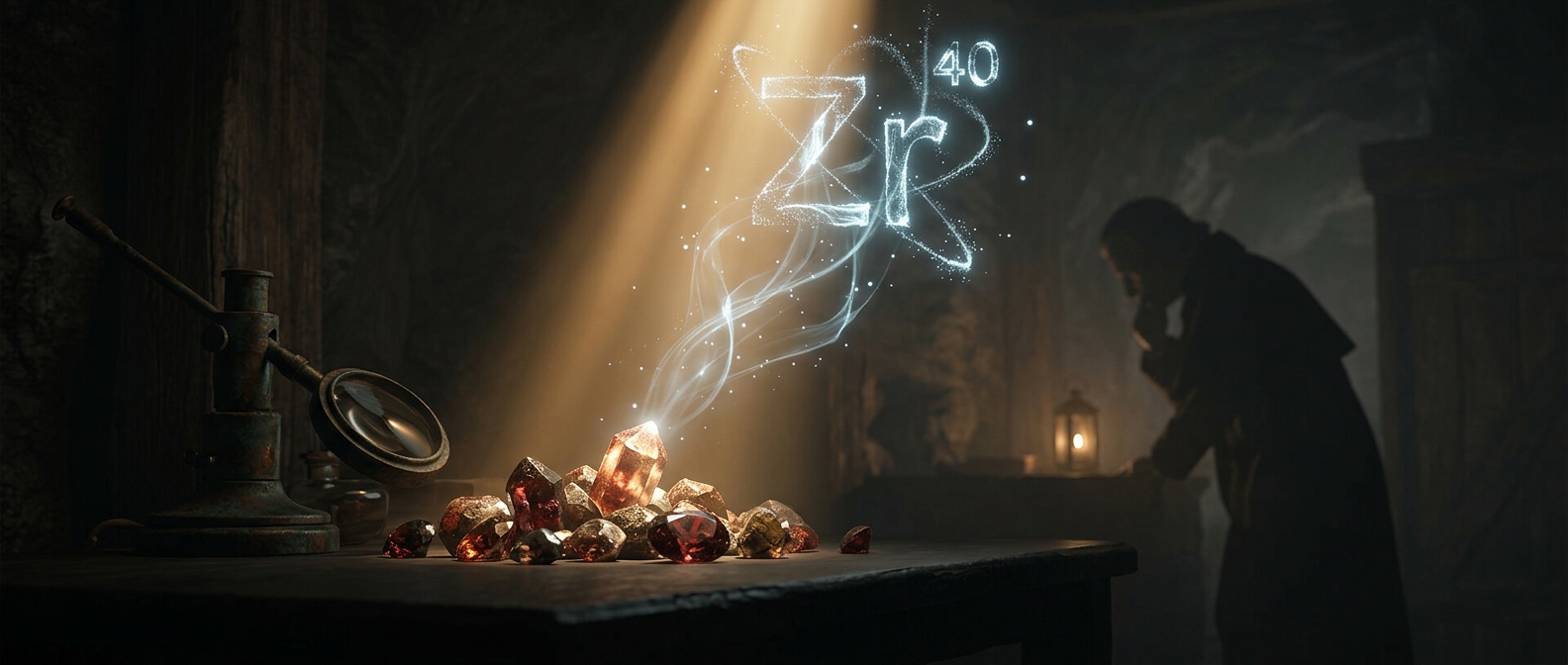
Klaproth identified rare zirconium in precious stones
Science

Klaproth identified rare zirconium in precious stones

Not satisfied with just finding uranium, Klaproth turned his attention to crushing up beautiful jargon crystals. He heated and filtered the resulting sludge…

Discover more
StackyMore discoveries in the app
Download on the App Store