How a torn-apart star becomes a jet
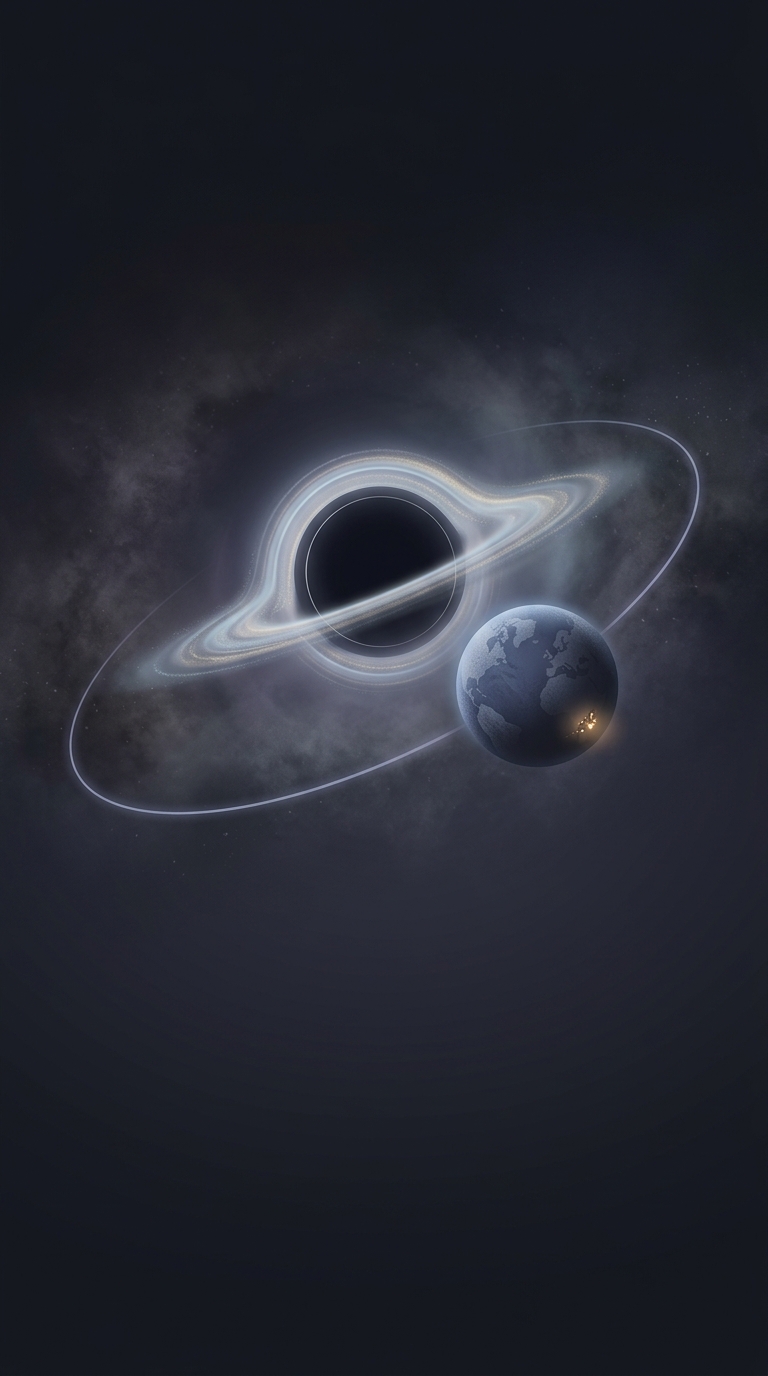
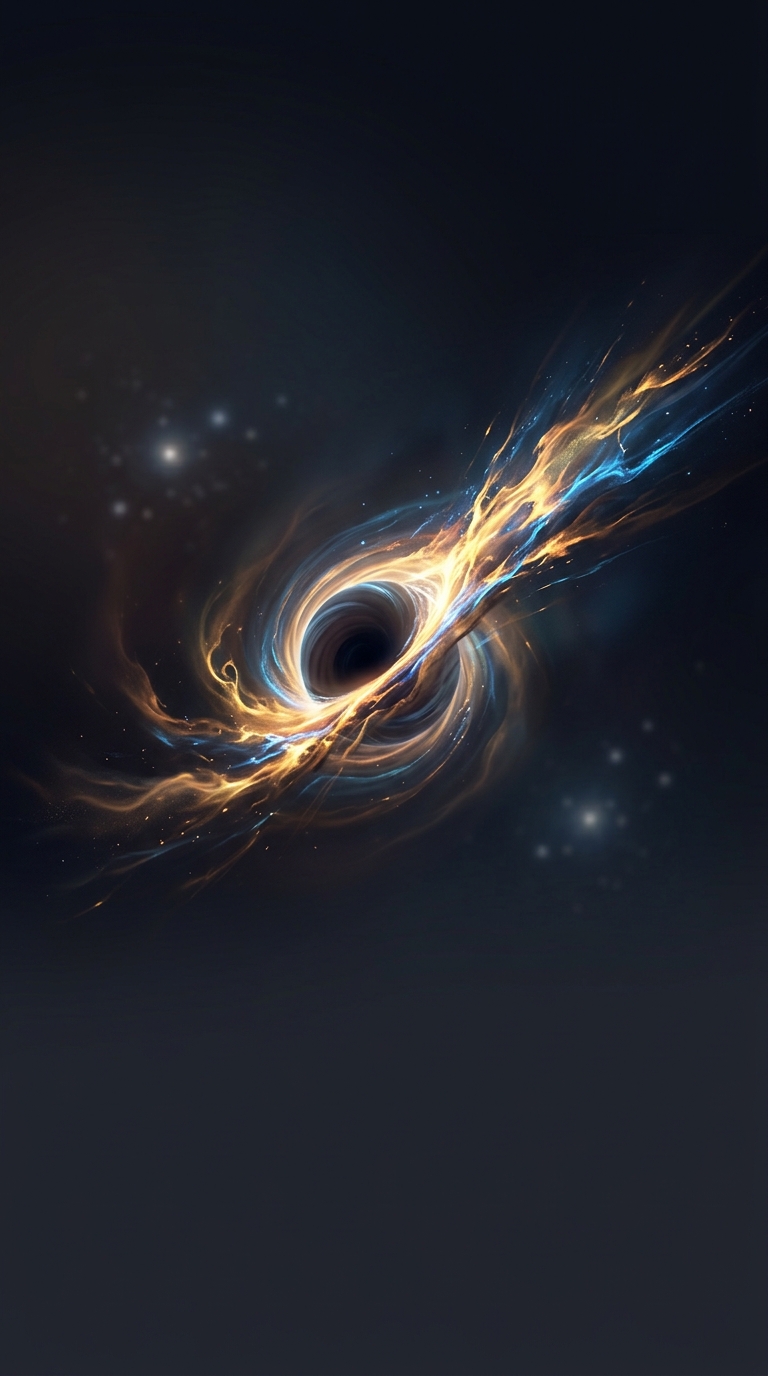
A star that passes too close to a supermassive black hole can be pulled apart because gravity is stronger on the side nearest the hole than on the far side. Its gas is stretched into streams. Some of that debris misses a direct plunge and loops back around, colliding with other material and settling into a hot, rapidly rotating flow around the black hole.
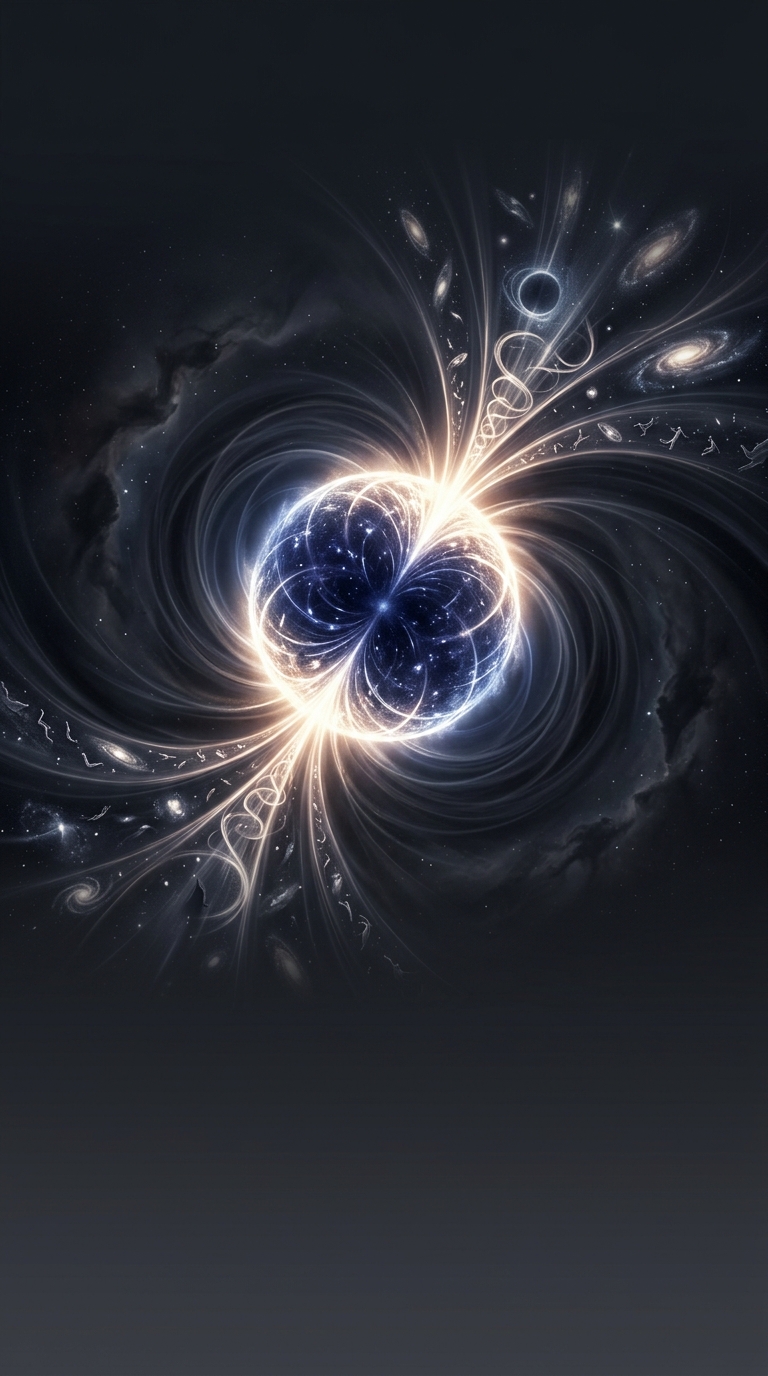
That flow is threaded with magnetic fields—the same kind of invisible fields that can guide charged particles. As the gas spirals inward, its motion can strengthen and twist those fields. In some cases, the fields help redirect a small amount of the inflowing material away from the black hole, squeezing it into two narrow, oppositely aimed streams. These are jets. The gas in them can reach a substantial fraction of the speed of light.
Why the meal does not all go in
A black hole’s gravity pulls inward, but the debris does not fall straight in as one solid mass. It has motion, heat, and magnetic structure. The swirling flow can carry energy outward as well as material inward, so a portion of the star’s remains escapes rather than crossing the black hole’s boundary. The jet’s power may also draw on the rotation of the surrounding flow or, in some cases, the spinning black hole itself.
Jets are not an automatic feature of every stellar disruption: the conditions have to organize the magnetic field well enough to launch them. When they do, they turn a brief stellar destruction into a much larger-scale event, sending a narrow signal of the encounter far beyond the region where the star was torn apart.