stackyFACTS
Science

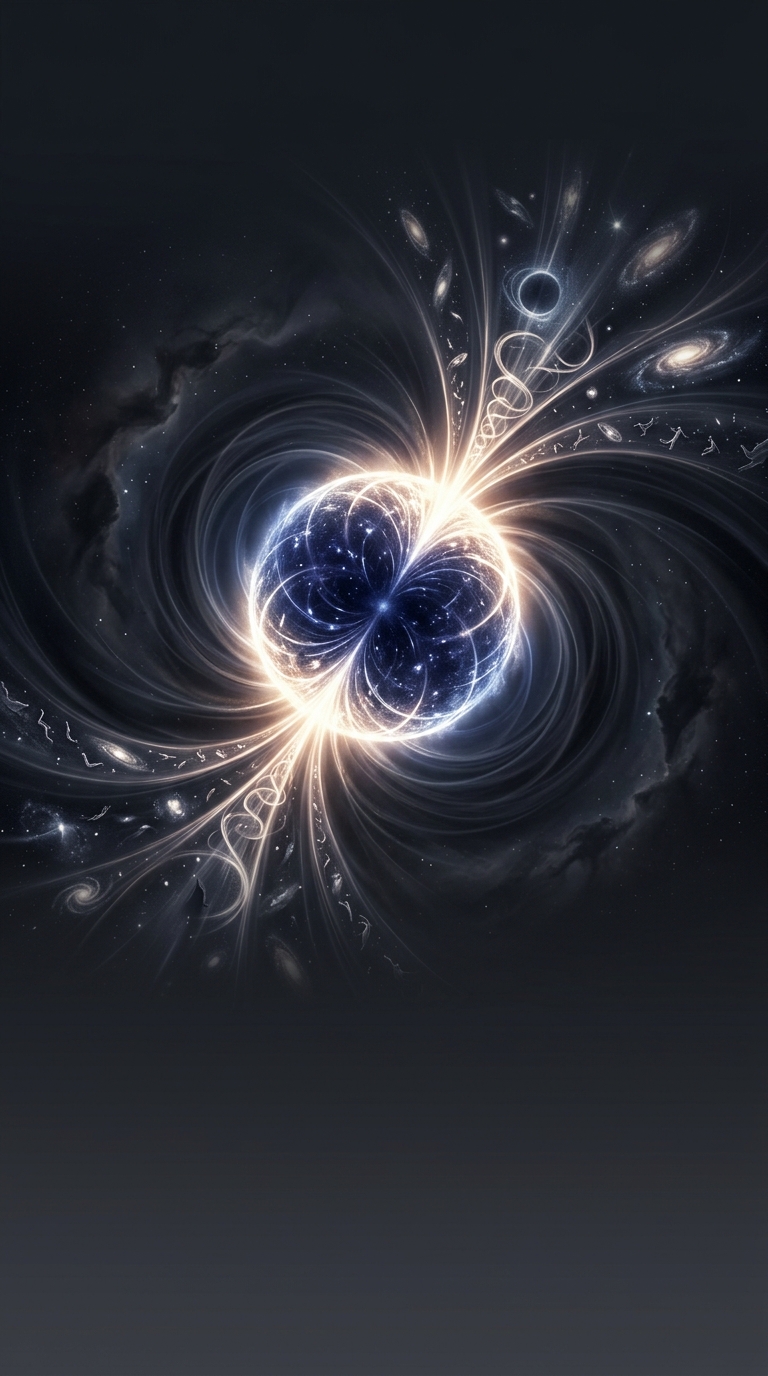
The universe has trillions of intensely bright stars. So why is the night sky mostly pitch black?

HERE’S THE INTERESTING PART

The universe has trillions of intensely bright stars. So why is the night sky mostly pitch black?

The universe has trillions of intensely bright stars. So why is the night sky mostly pitch black?
STACKY / Science
One discovery leads to another.

Keep exploring facts in this topic.

Science →
STACKY FOR IPHONE

A bigger world.
One discovery
at a time.

Keep discovering with Stacky. Interesting facts in an app that is always within reach.

Download on the App Store
ONE MORE DISCOVERY?

Keep exploring

All in this topic →
The monster hiding at the center of our galaxy
Science

The monster hiding at the center of our galaxy

The anchor holding our majestic swirling galaxy together is essentially an inescapable cosmic drain. At the center of almost every major galaxy, including…

Discover more
If you safely watched a friend fall directly into a black hole, what would you actually see?
Science

If you safely watched a friend fall directly into a black hole, what would you actually see?

If you safely watched a friend fall directly into a black hole, what would you actually see?

Discover more
Neutron stars are the collapsed cores of massive supergiant stars and are so incomprehensibly dense that a single teaspoon of their material would weigh roughly six billion tons on Earth.
Science

Neutron stars are the collapsed cores of massive supergiant stars and are so incomprehensibly dense that a single teaspoon of their material would weigh roughly six billion tons on Earth.

Neutron stars are the collapsed cores of massive supergiant stars and are so incomprehensibly dense that a single teaspoon of their material would weigh…

Discover more
Black holes can literally stretch your body into a single strand of atoms in a horrifying process officially known as spaghettification.
Science

Black holes can literally stretch your body into a single strand of atoms in a horrifying process officially known as spaghettification.

Black holes can literally stretch your body into a single strand of atoms in a horrifying process officially known as spaghettification. If you were unlucky…

Discover more
Black holes do not actually suck things in like a cosmic vacuum cleaner, but rather they just exert an incredibly strong gravitational pull identical to any other object of similar mass.
Science

Black holes do not actually suck things in like a cosmic vacuum cleaner, but rather they just exert an incredibly strong gravitational pull identical to any other object of similar mass.

Black holes do not actually suck things in like a cosmic vacuum cleaner, but rather they just exert an incredibly strong gravitational pull identical to any…

Discover more
Trillions of tiny subatomic particles called neutrinos pass through your body every single second without you ever noticing, originating mostly from the nuclear reactions happening inside the sun.
Science

Trillions of tiny subatomic particles called neutrinos pass through your body every single second without you ever noticing, originating mostly from the nuclear reactions happening inside the sun.

Trillions of tiny subatomic particles called neutrinos pass through your body every single second without you ever noticing, originating mostly from the…

Discover more
StackyMore discoveries in the app
Download on the App Store