Why gravity pulls harder on one end of you
A black hole does not pull every part of a nearby object with exactly the same force. The side closer to it feels a stronger gravitational pull than the side farther away. That difference is called a tidal force—the same basic effect that helps raise ocean tides, but vastly more intense near a black hole.
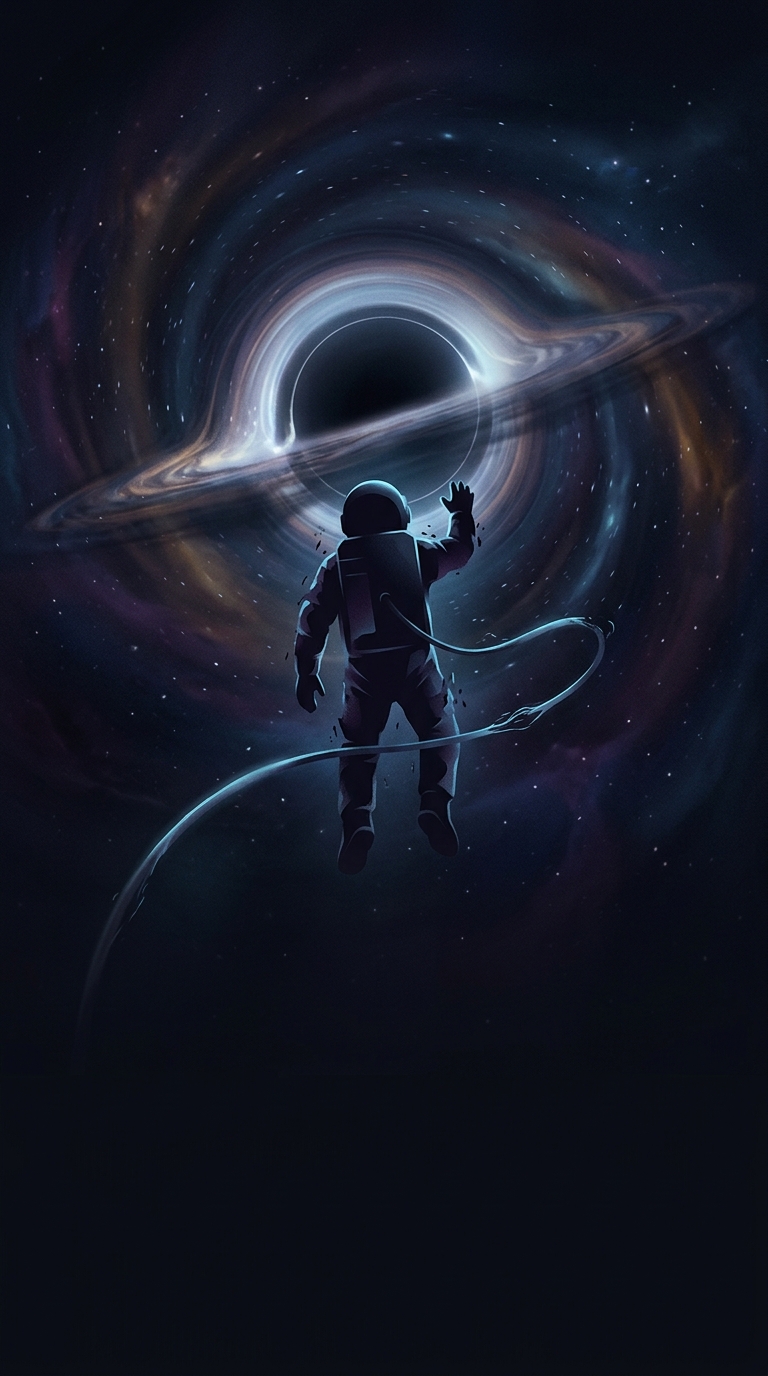
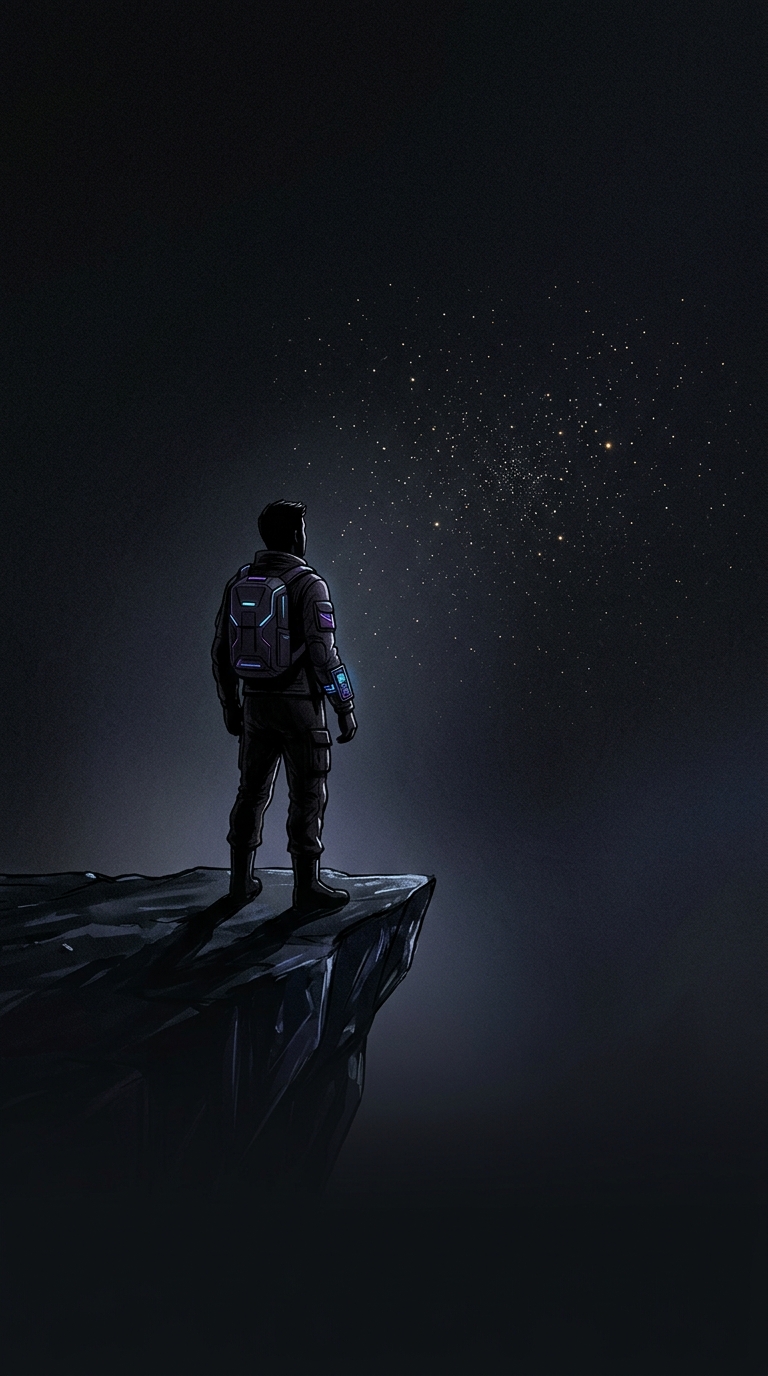
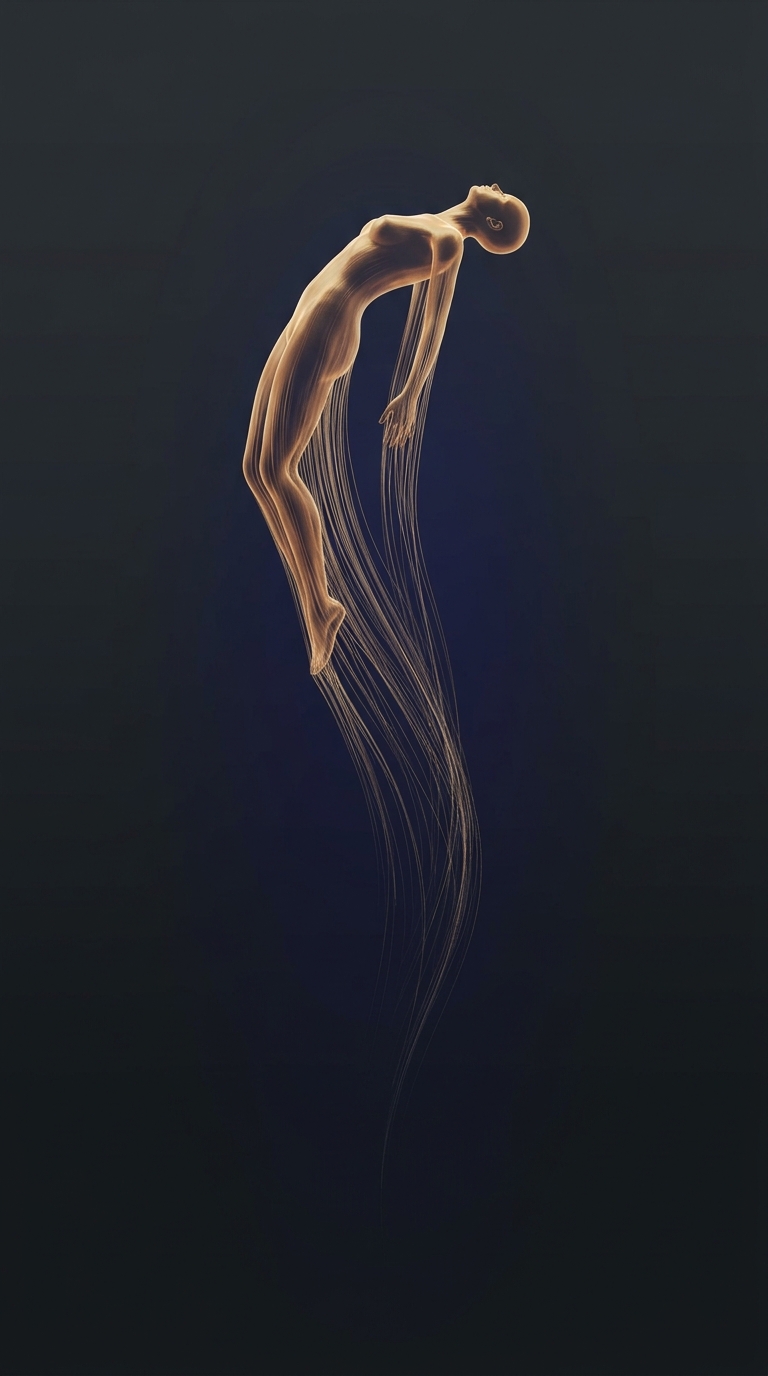
If you were falling feet-first, your feet would accelerate more strongly toward the black hole than your head. At the same time, gravity would squeeze your body sideways. Together, those forces stretch and compress you, producing the elongated shape nicknamed spaghettification. It is not a neat conversion into a literal strand of atoms; the term describes what happens as tidal forces overwhelm the structures holding an object together.
Why the black hole’s size matters
The key is not simply how strong gravity is, but how quickly it changes across your body. Around a smaller black hole, the event horizon—the boundary beyond which escape is impossible—is relatively close to the center. Near that boundary, gravity can vary sharply over a short distance, creating destructive tidal forces before you reach it.
A supermassive black hole has a much larger horizon. At that distance from its center, the difference in gravity between your head and feet can be gentler. In principle, you could cross the horizon without noticing an abrupt physical boundary or being torn apart immediately. But crossing it is still a one-way trip: once inside, every possible future path leads farther inward.
The danger can come later
After crossing a supermassive black hole’s horizon, tidal forces keep growing as you fall toward the center. Eventually they would become strong enough to tear apart a person, a spacecraft, or any other ordinary object. The contrast is striking: a black hole can be more massive yet less immediately destructive at its horizon, simply because that horizon lies much farther from the center.