Gold Begins in a Neutron-Star Collision
Gold is not made by ordinary stellar burning. A star can build lighter elements by fusing atoms together, but creating gold requires a different route: nuclei must rapidly absorb many neutrons. This process, called rapid neutron capture or the r-process, can produce very heavy elements in a brief, extraordinarily neutron-rich environment.
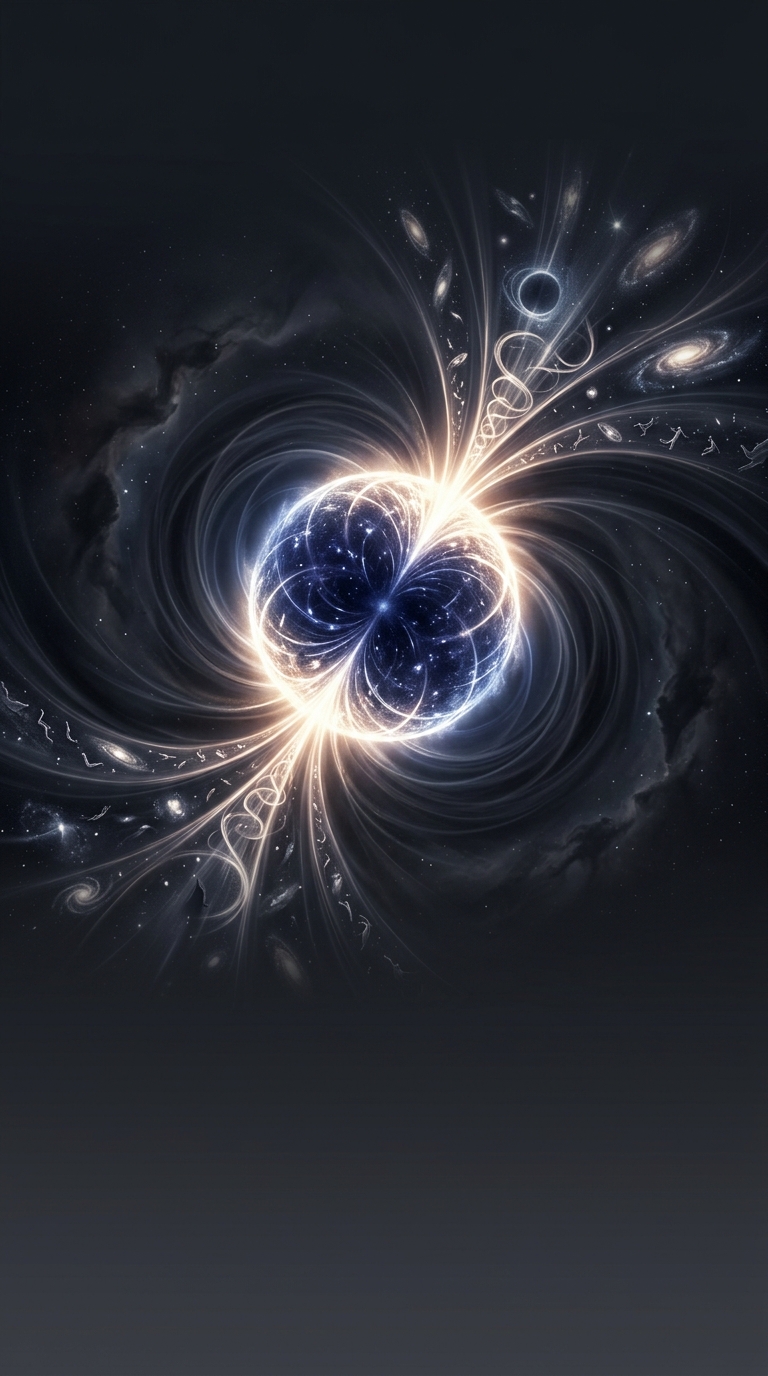
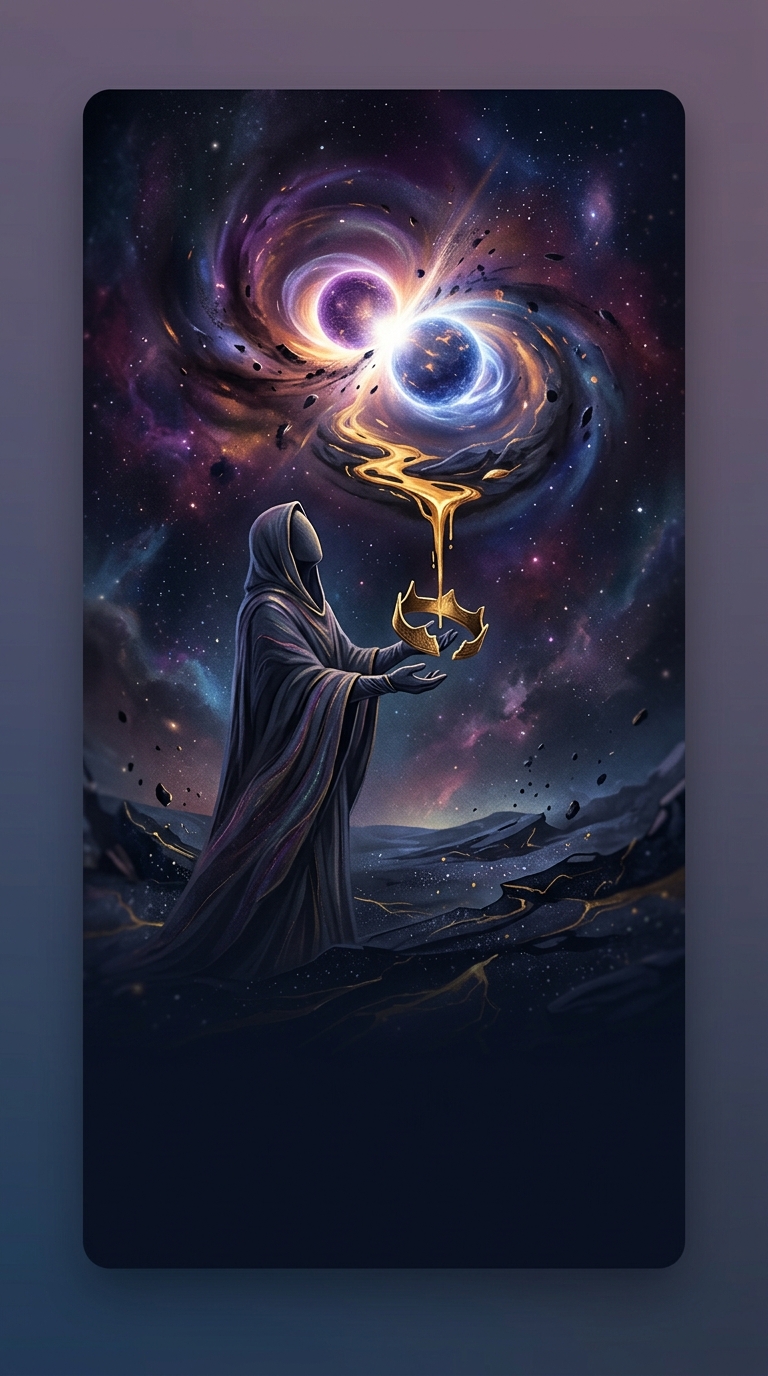
When two neutron stars—the dense remnants of exploded stars—spiral together and collide, they can fling neutron-rich matter into space. As that debris expands, its atoms capture neutrons and transform through radioactive decay into elements including gold. The event briefly creates conditions unlike those inside ordinary stars.
From Cosmic Debris to Jewelry
The collision does not make a ring or even a nugget. It makes gold atoms mixed into expanding debris. Over time, that material becomes part of interstellar gas and dust. Our solar system formed from such enriched material, and gold incorporated into Earth was later concentrated in places where geological processes could make it accessible to mining.
A piece of jewelry therefore carries atoms that formed before Earth existed. The metal was mined, refined, and shaped by people, but its gold began in a cosmic event powerful enough to scatter newly made elements across space.
Neutron-star mergers are a confirmed source of the r-process elements, though scientists continue to investigate how much of the universe’s gold comes from them versus other extreme stellar events. The striking point remains: gold’s origin lies in violent astrophysics, not in the long, steady life of an ordinary star.