Sahara Dust Rides the Trade Winds Across the Atlantic
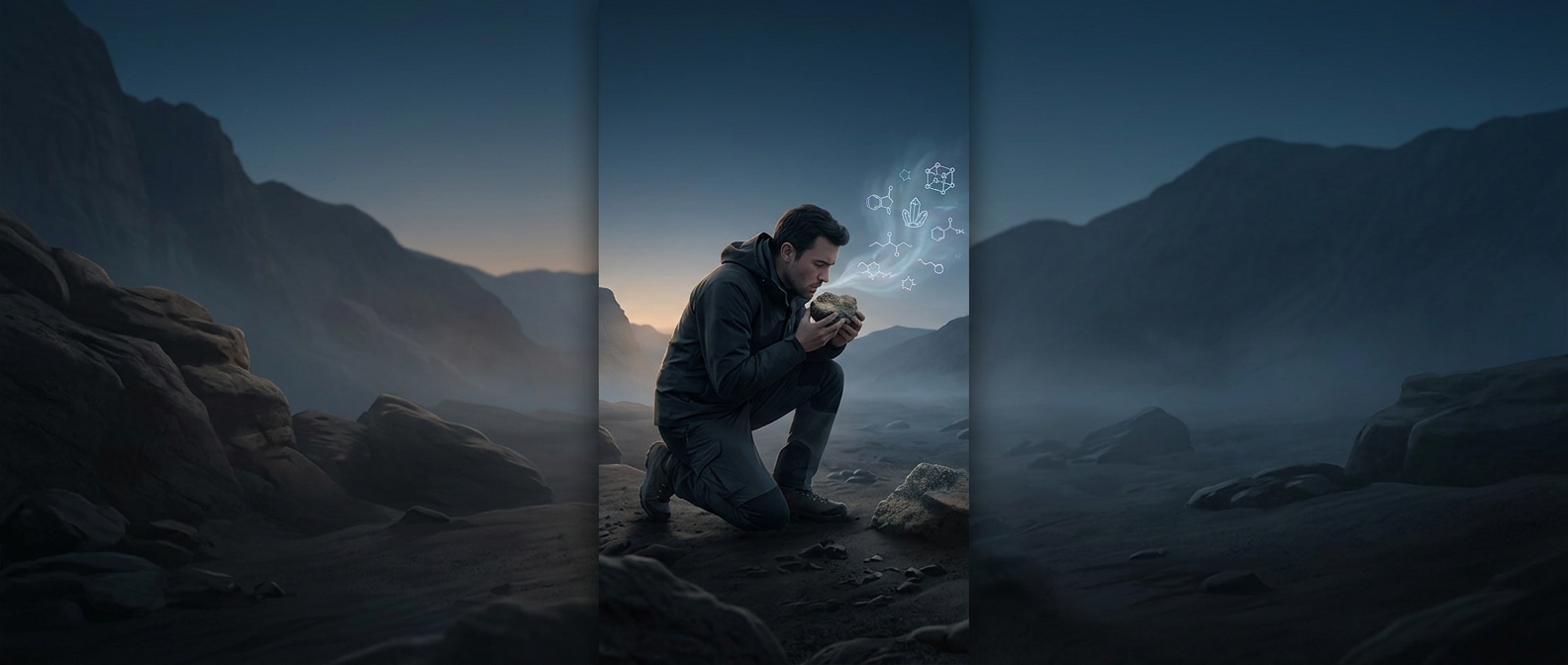
The threat is Saharan dust: fine mineral particles lifted from dry regions of North Africa and carried west by winds. Strong winds and passing weather systems can loft the dust high into the atmosphere, where the east-to-west trade winds move it across the Atlantic. Some particles settle into the ocean; others reach the Caribbean and the Americas.
The journey happens repeatedly, though the amount of dust and its route vary with weather. From the ground, a distant plume may look like haze—or go unnoticed altogether. Its tiny airborne particles are the concern: when people breathe them, they can irritate the lungs and worsen problems such as asthma, especially when dust levels are high.
A Plume With More Than One Effect
Dust can also carry minerals, including iron and phosphorus. When those particles fall into the ocean, they can supply nutrients to marine life. Farther west, dust deposited on land can contribute nutrients to ecosystems as well. The same plume can therefore be a health hazard in the air and a source of nutrients after it settles.
Its most striking consequence is its scale: winds can transport dust from one continent to another, crossing an ocean without a border or a visible trail from the surface. A cloud that begins over the Sahara can eventually tint skies thousands of miles away.