How radon gets into a spring
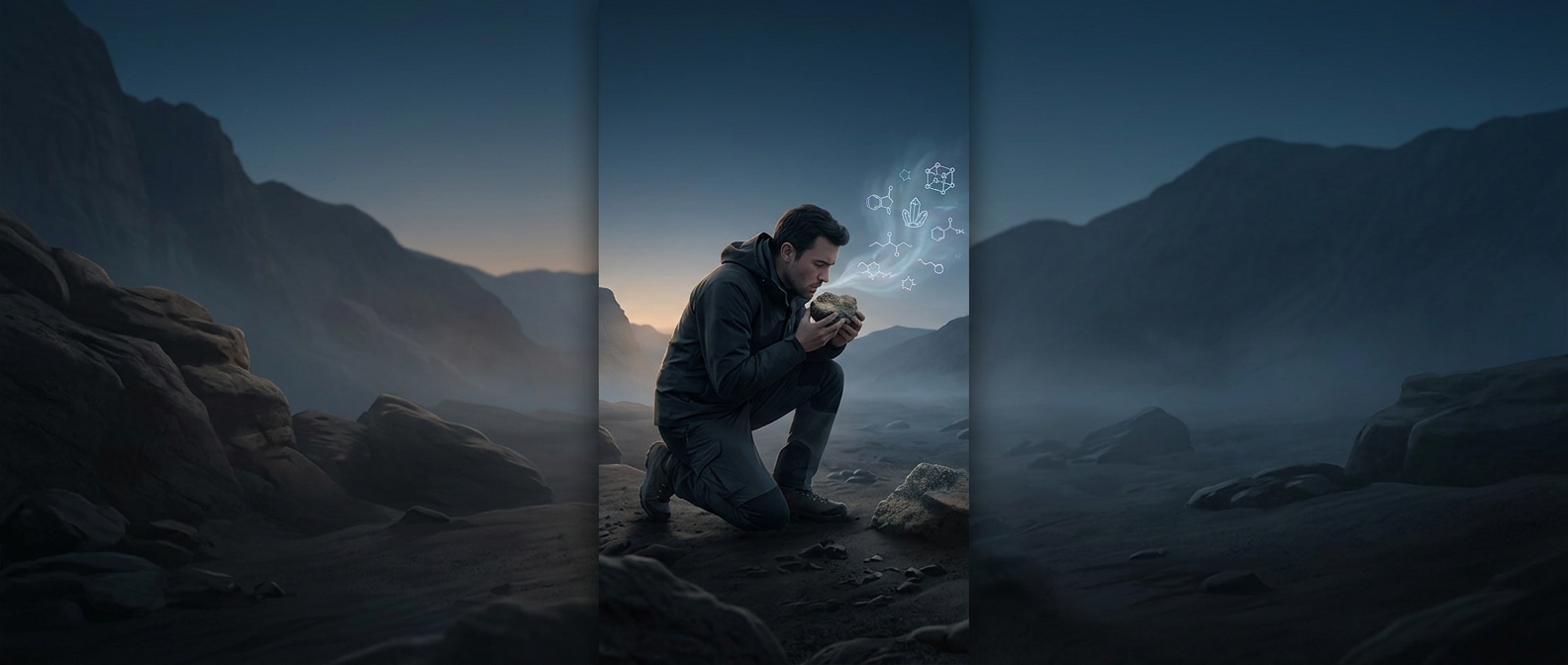
Radon is a colorless, odorless radioactive gas formed as certain elements in rocks slowly decay. Because it is a gas, it can escape from rock grains into cracks and groundwater. Water moving through those fractures can carry dissolved radon upward, sometimes emerging at a hot spring.
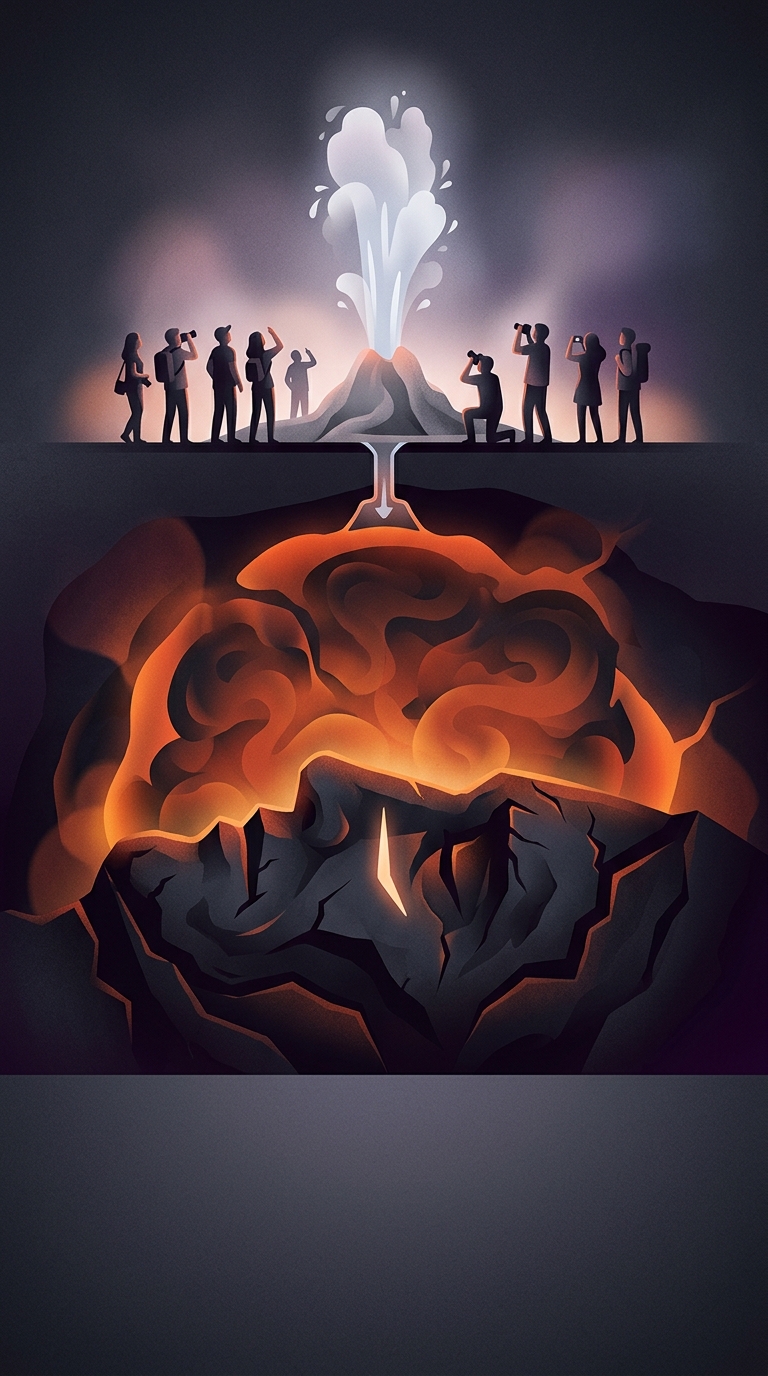
Heat and radioactivity are separate parts of the story: underground heat warms the water, while the surrounding geology determines whether radon enters it. A spring can be hot without containing much radon, and radon-bearing groundwater need not be hot.
Why the amount varies
The concentration depends on the rocks and minerals along the water’s path, how readily radon can escape into the water, and how long the water remains underground. Radon also decays into other substances over time, so its level can change as water travels and after it reaches the surface, where the gas can escape into the air.
That makes “radioactive spring” a description of a natural process, not a fixed strength or dose. Two springs in the same region may differ, and measurements in the water alone do not describe how much radon might enter the air around it.
The practical distinction
Radon is best known as an indoor-air concern because it can accumulate in enclosed spaces and be breathed in. At an open spring, gas can disperse, while water use or enclosed facilities may change how exposure occurs. The key question is not simply whether a spring contains radon, but how much is present and where the gas goes.