How lightning could make carbon
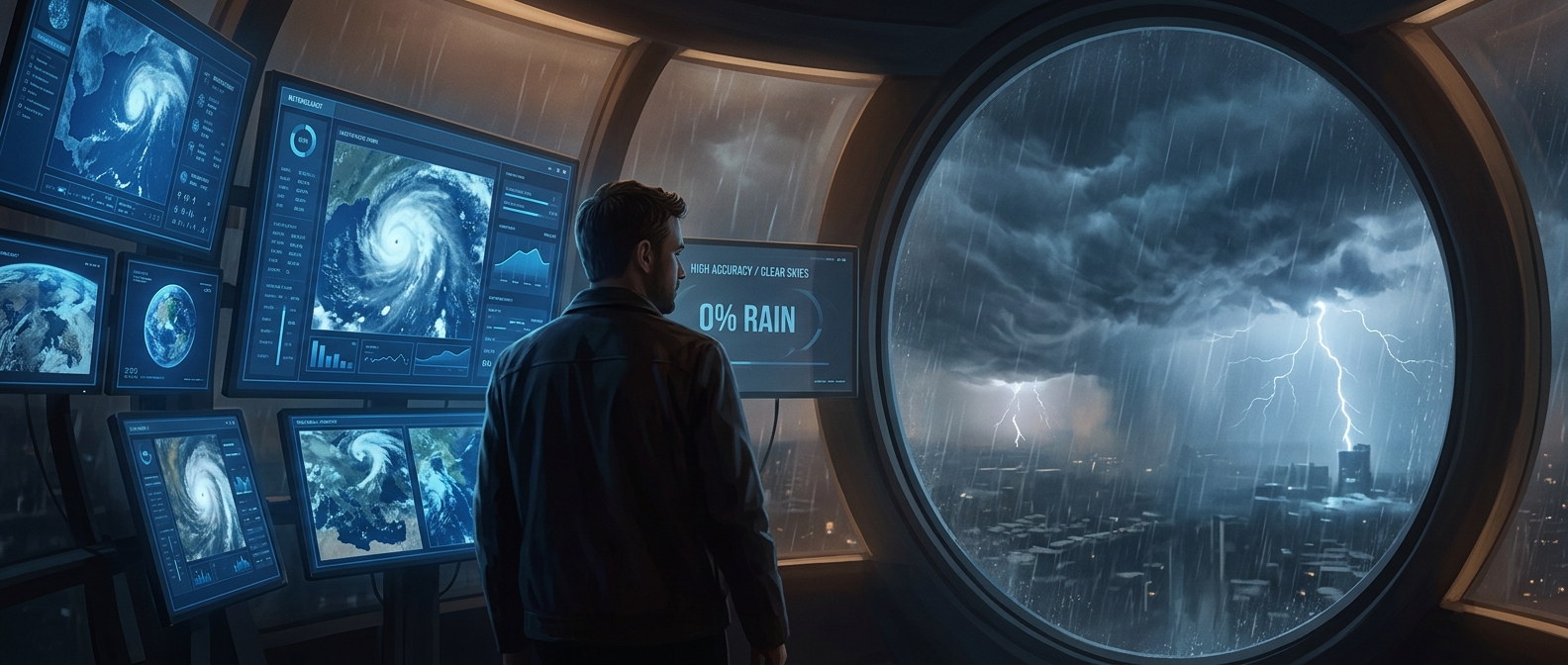
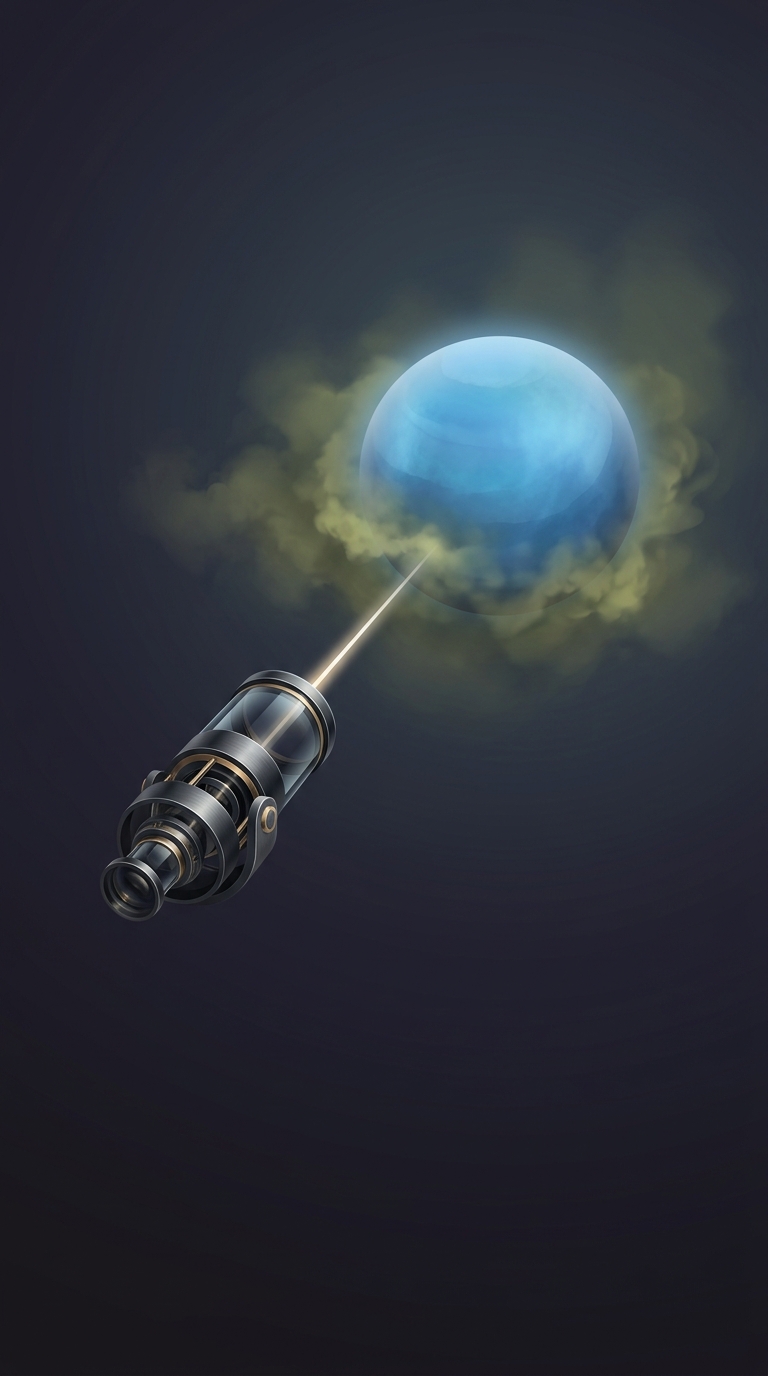
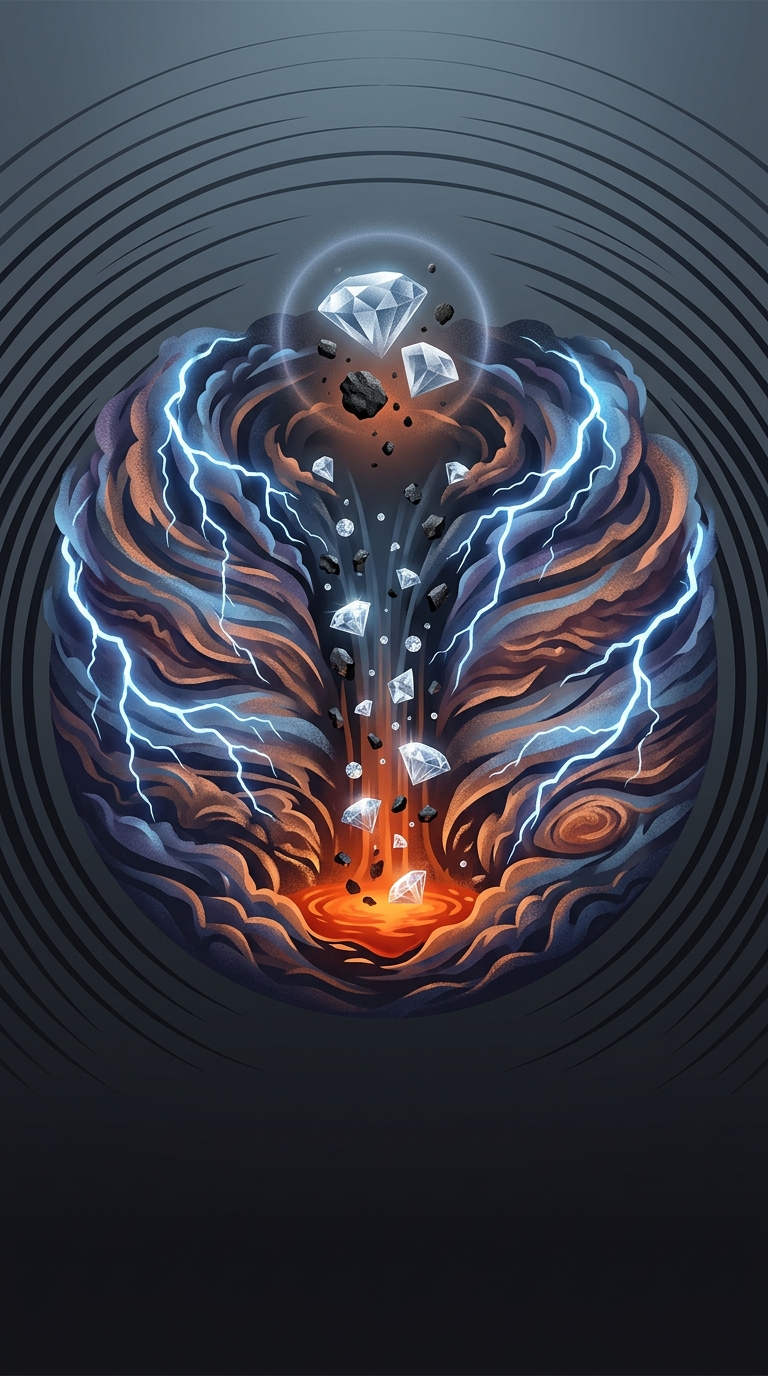
Methane is a gas made of carbon and hydrogen. In a giant planet’s storm, a powerful lightning discharge can supply enough energy to break some methane molecules apart. Hydrogen remains in the surrounding gas, while carbon can gather into tiny particles of soot—the same general kind of carbon-rich material produced by an ordinary flame.
The particles would not become diamonds in the cloud tops. They would have to fall through deeper layers of the planet, where the weight of everything above them raises the pressure enormously.
The pressure changes the carbon
As the carbon sinks, increasing pressure can rearrange its atoms into denser solid structures. One possible sequence is soot becoming graphite, then—under still greater pressure—diamond. Graphite and diamond are both made of carbon; their different atomic arrangements give them very different properties.
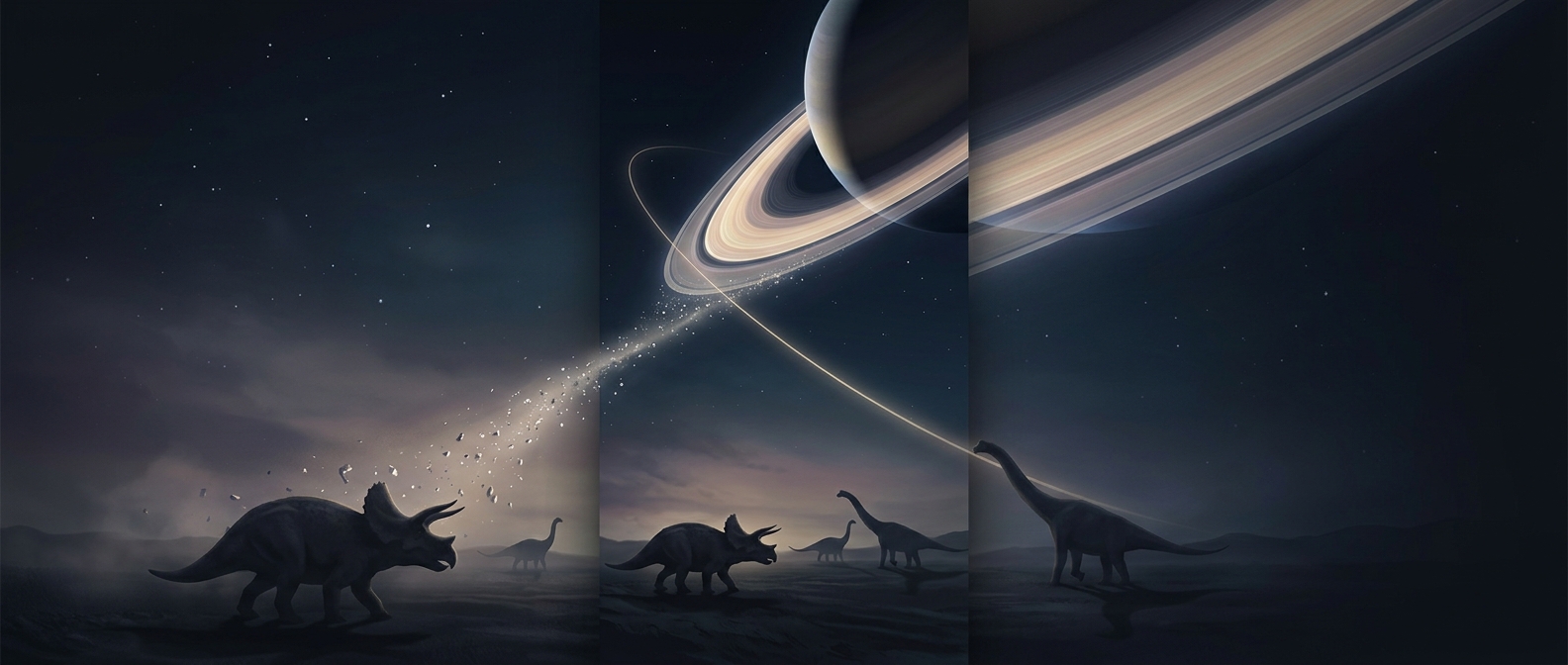
This would be a gradual transformation inside a moving atmosphere, not a single flash that turns a whole soot particle into a finished gem. The particles could continue sinking after diamonds formed, carried by the deep currents of gas and fluid surrounding the planets’ interiors.
A prediction, not a sighting
Laboratory experiments and planetary models make this pathway plausible, but conditions vary with depth, temperature, and composition, and the details remain uncertain. Scientists have not directly observed diamonds raining inside Jupiter or Saturn: the clouds and dense interior layers hide the process from view.
If the proposed chain is right, a lightning storm could start a journey that ends far below the visible atmosphere, with carbon transformed as it sinks. The striking idea is not that diamonds glitter in a storm cloud, but that a storm may help create solid carbon that is then carried into a planet’s depths.