How dust can turn ring brightness into a clock
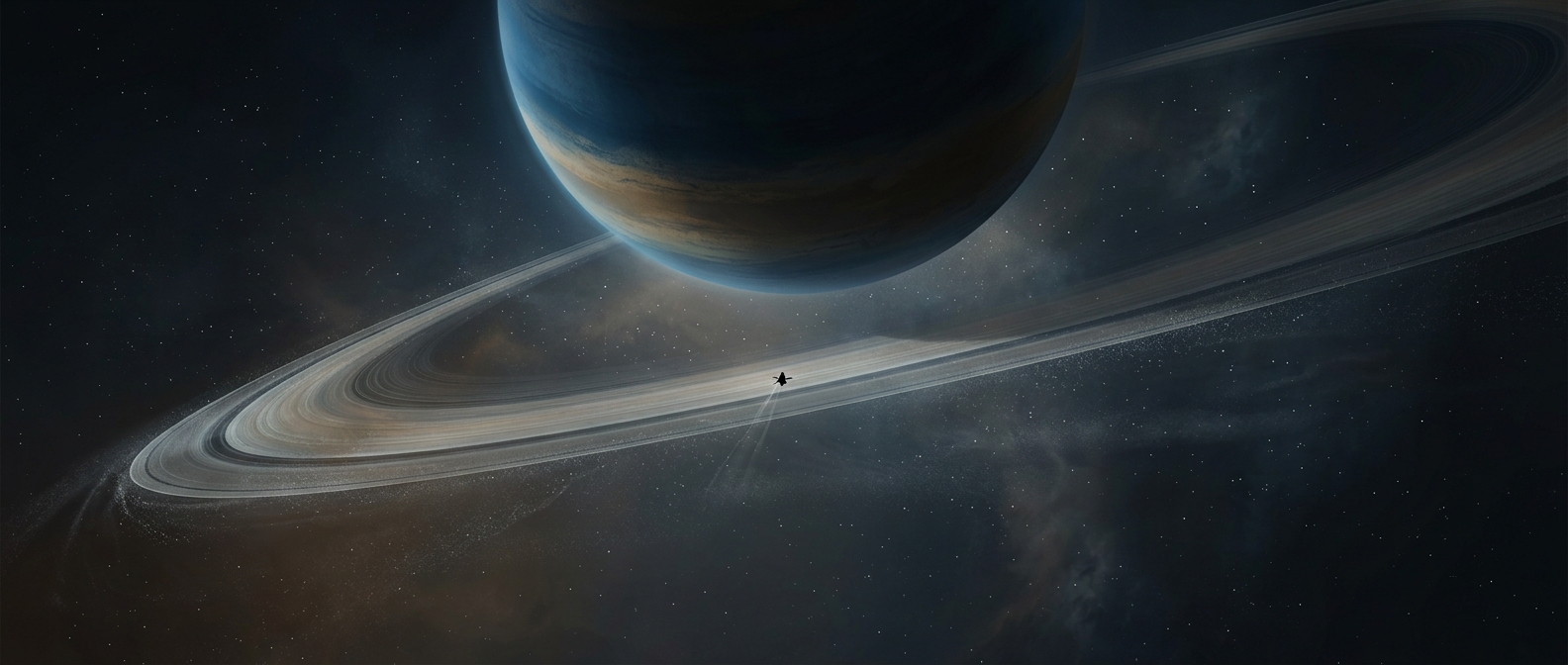
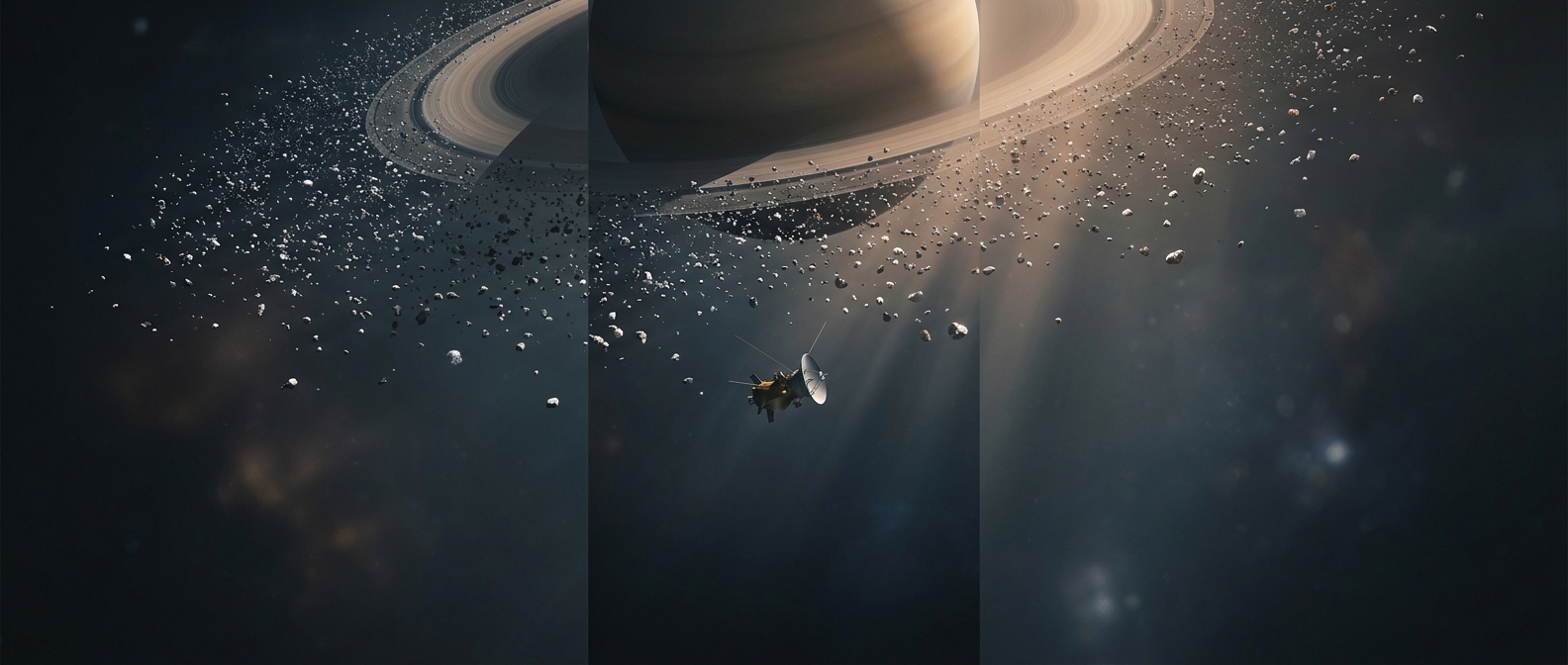
Saturn’s rings look dazzling because they are made mostly of water ice, which reflects sunlight well. But space is not empty: tiny particles from meteorites and other debris continually strike the rings. Their darker material mixes with the ice, gradually dimming it—much as dust dulls a clean surface.
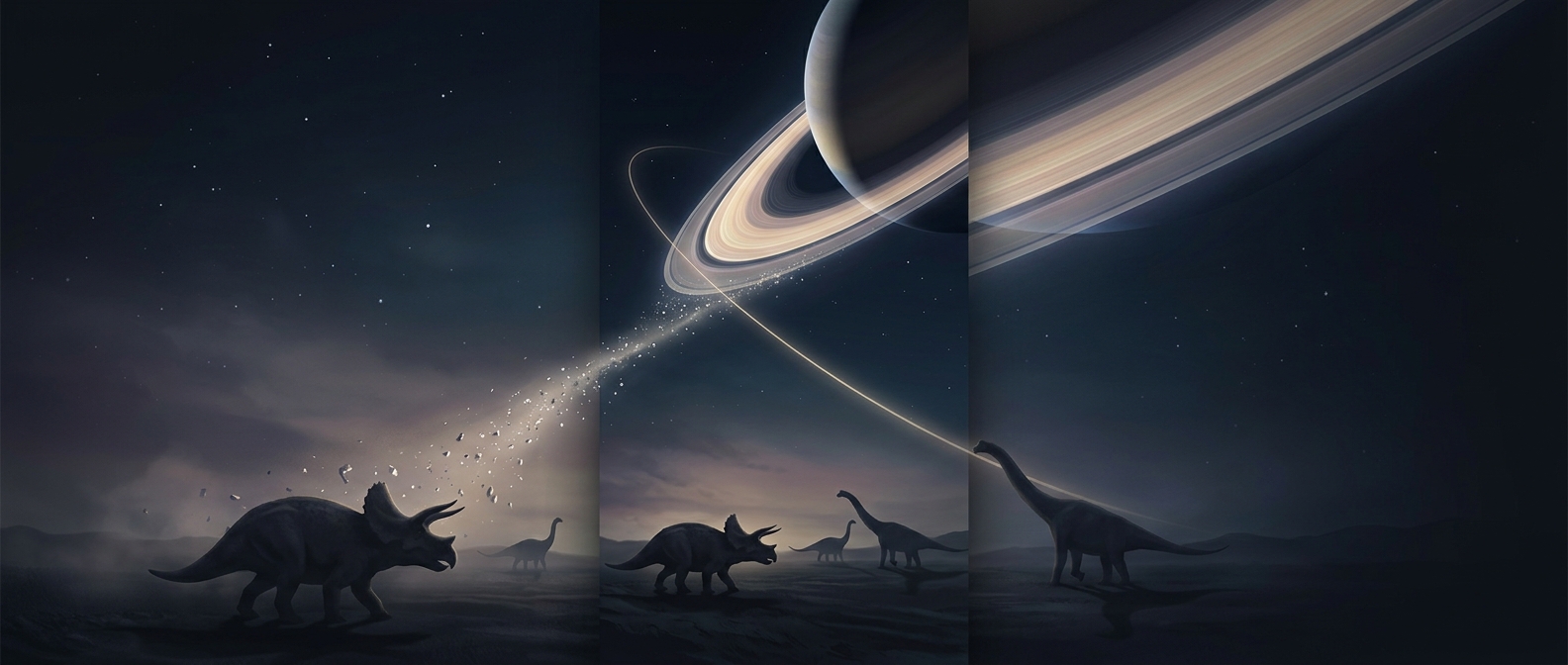
Scientists can use that contamination as a rough clock. They estimate how quickly dark material should arrive, then compare that expected buildup with how bright and icy the rings are today. If the incoming dust rate is close to their estimates, the rings may have had only about 100 million years to collect it. That would make them younger than the dinosaurs, which were already living on Earth.
A clock with uncertain gears
The estimate depends on more than the rings’ present appearance. The rate and composition of incoming debris are difficult to pin down, and the rings are active: particles collide, shift between regions, and can be lost toward Saturn. Those processes complicate the link between darkness and elapsed time. Different assumptions can therefore produce different ages, and scientists continue to debate whether the rings are truly young.
Still, the idea changes how their history looks. Saturn’s rings need not be as ancient as the planet itself; they may have formed from debris comparatively recently in the solar system’s past. If so, the planet’s iconic bright bands are not a permanent feature—they are a temporary stage in a continuing cycle of material falling in, spreading out, and fading.