stackyFACTS
Science

Red dwarfs could outlive the universe

HERE’S THE INTERESTING PART

While massive stars live fast and die spectacularly young in supernova explosions, red dwarfs take the painfully slow route. Because they burn through their hydrogen reserves so conservatively, these dim little stars can theoretically survive for trillions of years, far outliving the current age of the universe itself.

Red dwarfs could outlive the universe
STACKY / Science
One discovery leads to another.

Keep exploring facts in this topic.

Science →
STACKY FOR IPHONE

A bigger world.
One discovery
at a time.

Keep discovering with Stacky. Interesting facts in an app that is always within reach.

Download on the App Store
ONE MORE DISCOVERY?

Keep exploring

All in this topic →
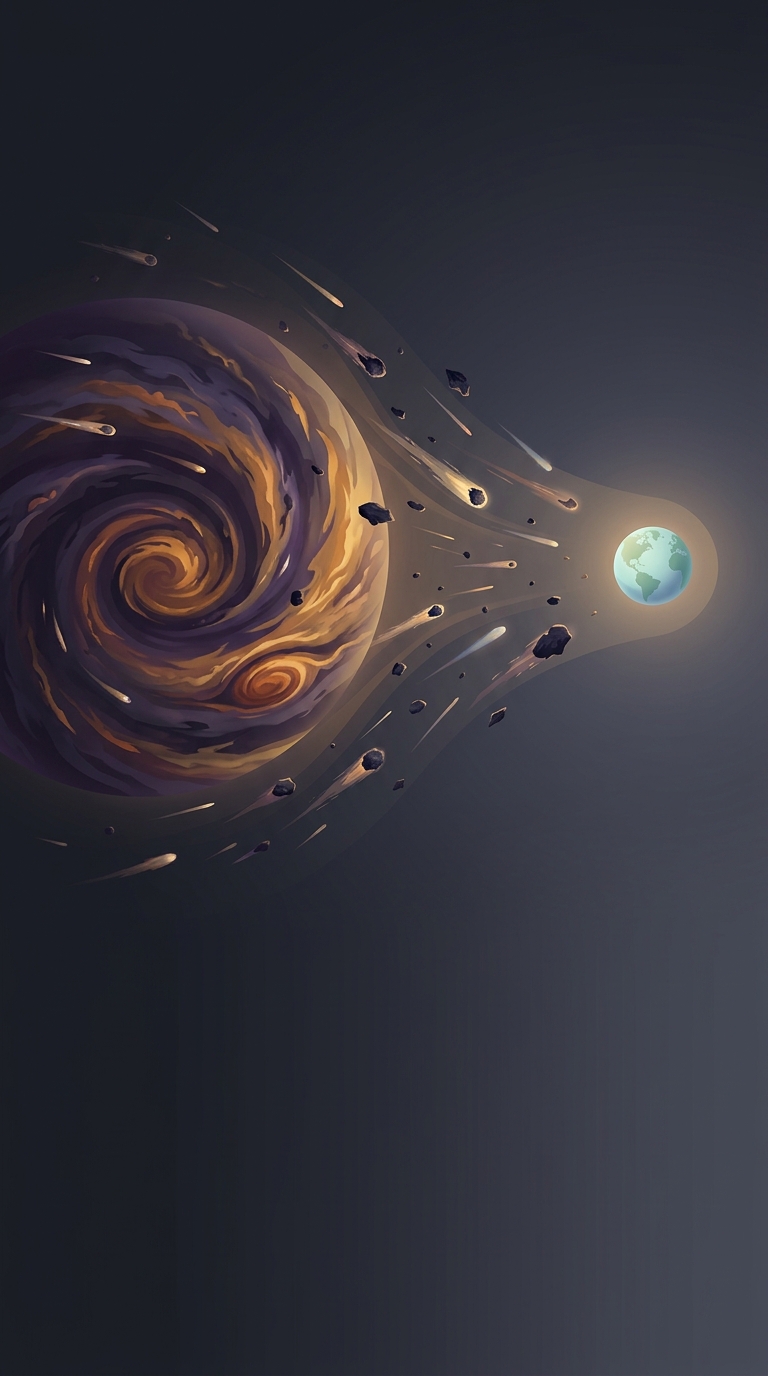
Jupiter acts as a massive cosmic vacuum cleaner for the solar system, using its immense gravitational field to suck up or deflect dangerous asteroids and comets away from Earth.
Science

Jupiter acts as a massive cosmic vacuum cleaner for the solar system, using its immense gravitational field to suck up or deflect dangerous asteroids and comets away from Earth.

Jupiter acts as a massive cosmic vacuum cleaner for the solar system, using its immense gravitational field to suck up or deflect dangerous asteroids and…

Discover more
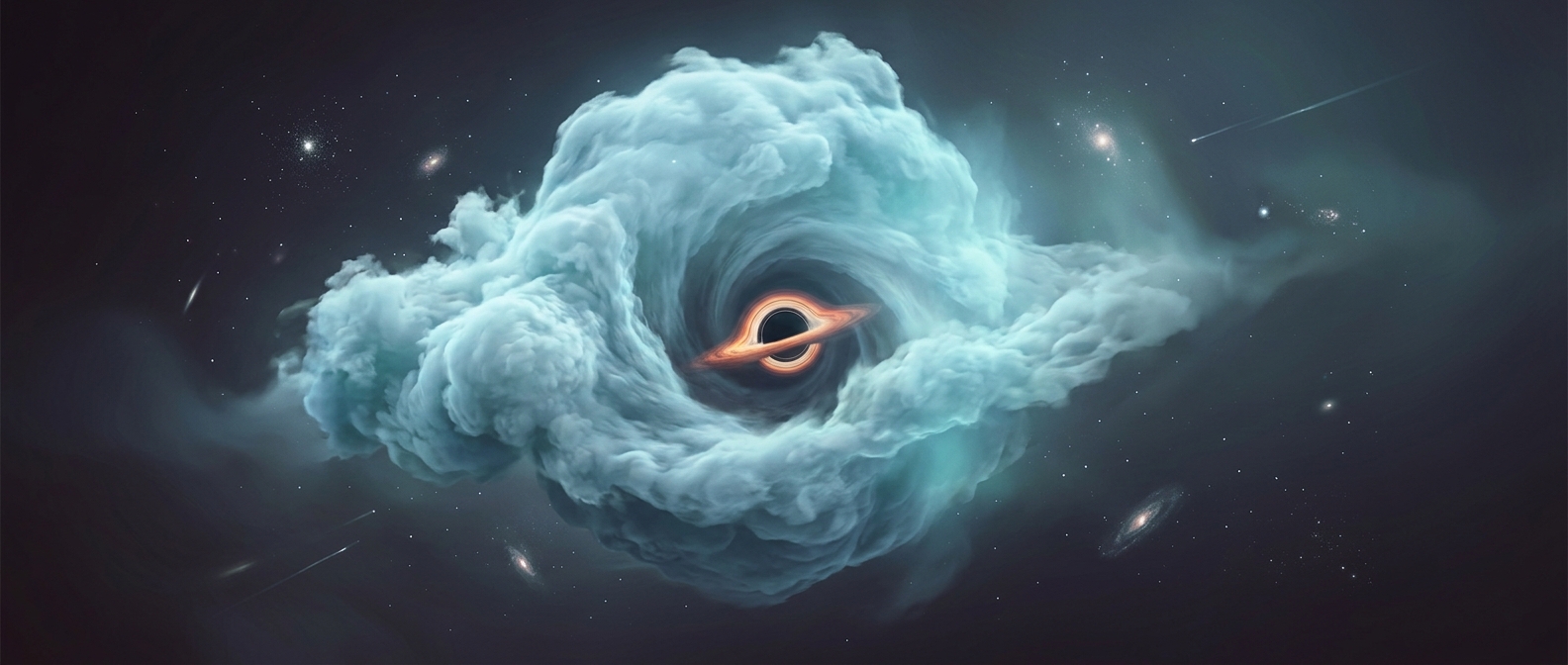
The giant water cloud orbiting a black hole
Science

The giant water cloud orbiting a black hole

Turns out the universe has its own terrifying water park. Floating 12 billion light-years away, there is a quasar surrounded by a cloud of water vapor…

Discover more
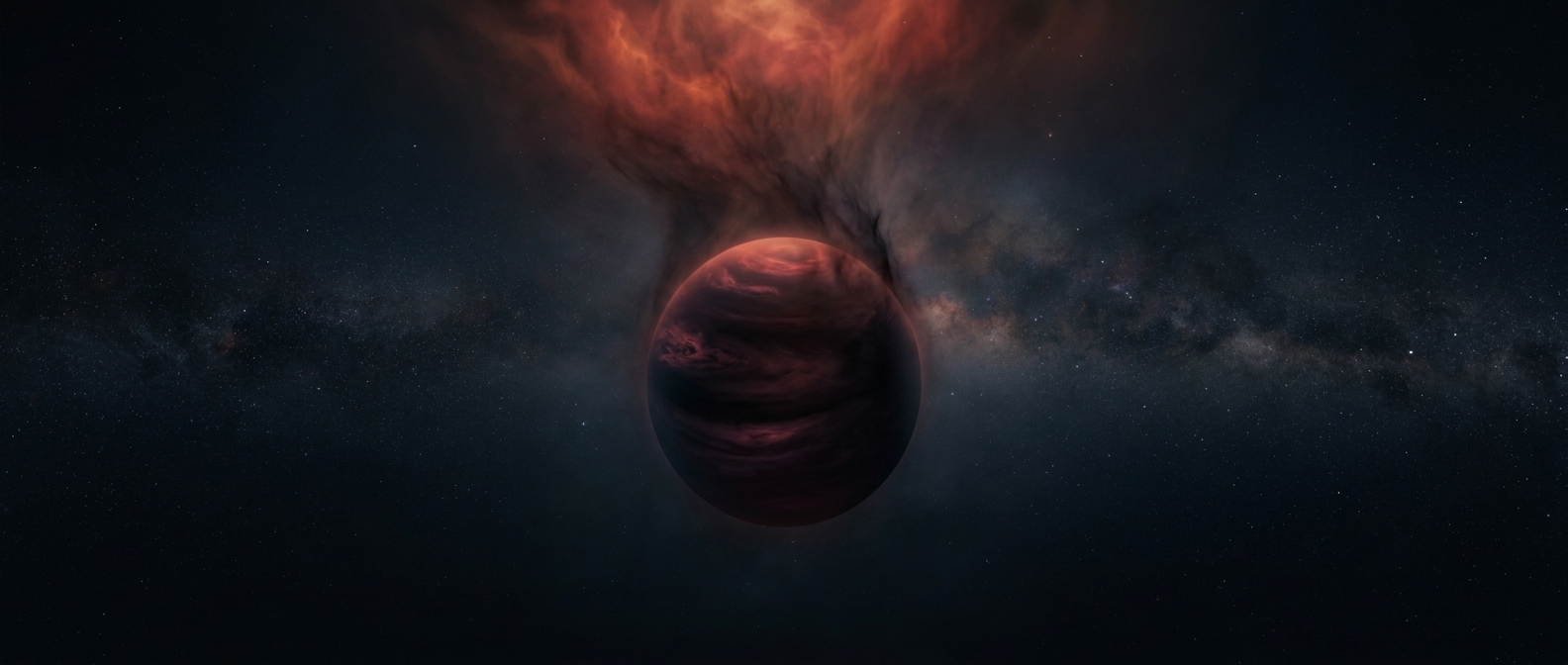
Brown dwarfs are stars that never ignited
Science

Brown dwarfs are stars that never ignited

Imagine gathering immense amounts of cosmic gas and just entirely giving up right before the finish line. These tragic celestial objects are too massive to be…

Discover more
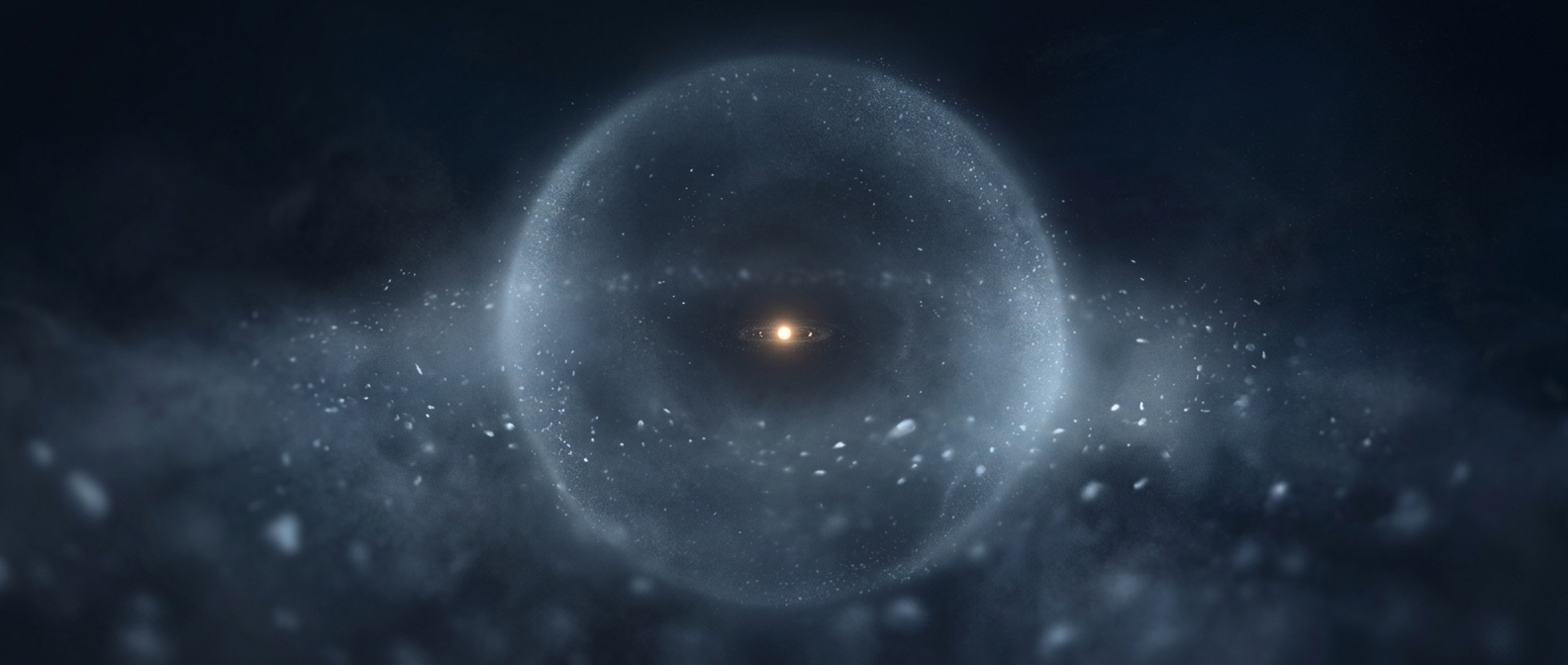
Oort cloud completely surrounds the solar system
Science

Oort cloud completely surrounds the solar system

We are fundamentally trapped inside a colossal spherical bubble of icy garbage. The outer edge of our stellar neighborhood is encapsulated by a massive shell…

Discover more
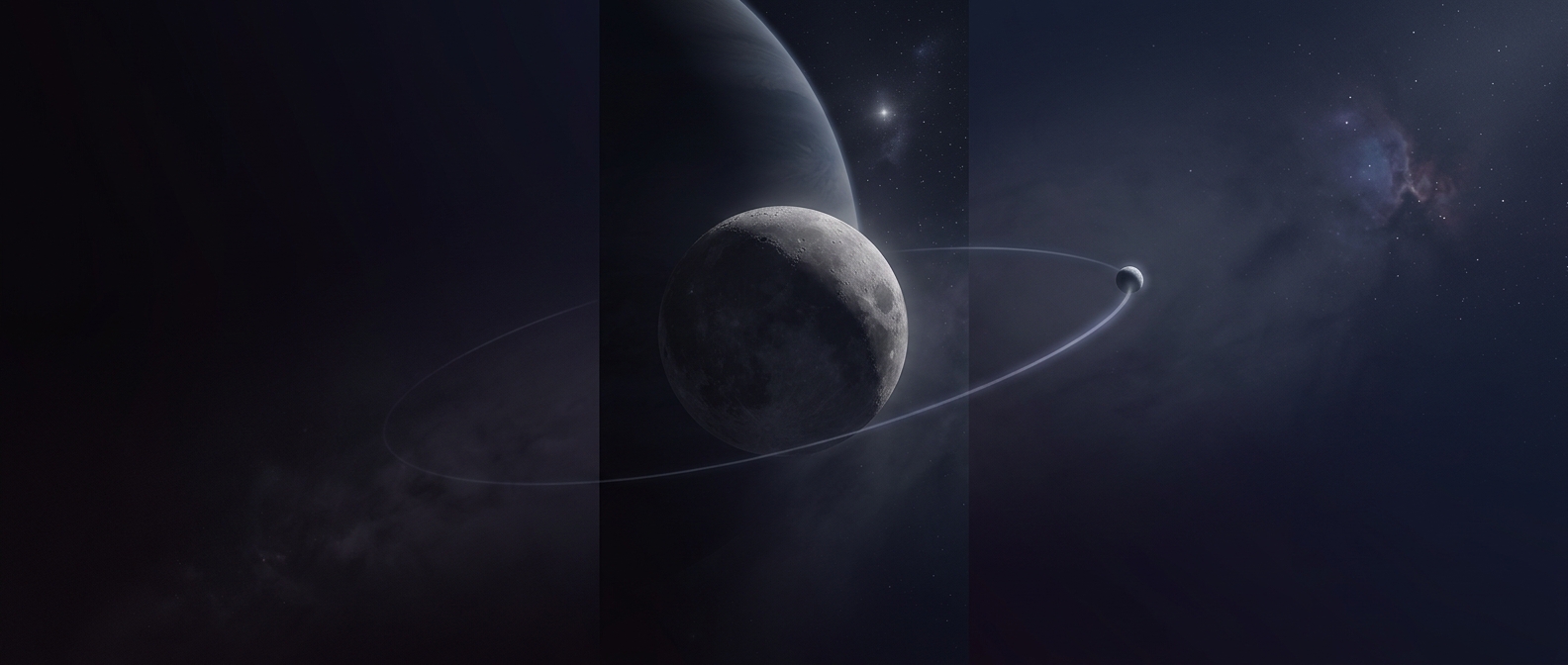
Could a moon have its own moon
Science

Could a moon have its own moon

Nature loves a good matryoshka doll, and celestial bodies are no exception. Astronomers have calculated that large enough moons can theoretically host their…

Discover more
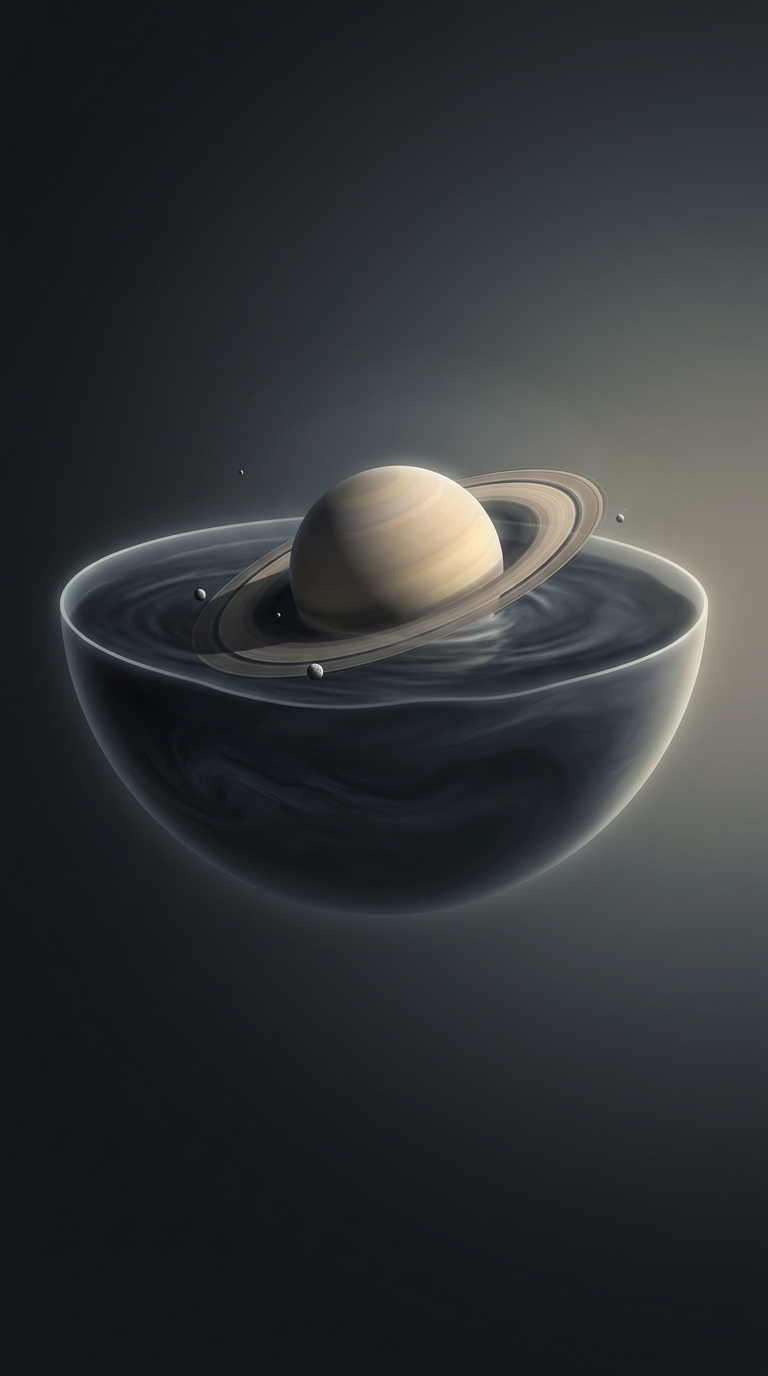
Saturn is so remarkably un-dense that if you could find a bathtub large enough to hold it, the entire gas giant would actually float on top of the water.
Science

Saturn is so remarkably un-dense that if you could find a bathtub large enough to hold it, the entire gas giant would actually float on top of the water.

Saturn is so remarkably un-dense that if you could find a bathtub large enough to hold it, the entire gas giant would actually float on top of the water.…

Discover more
StackyMore discoveries in the app
Download on the App Store