stackyFACTS
Science

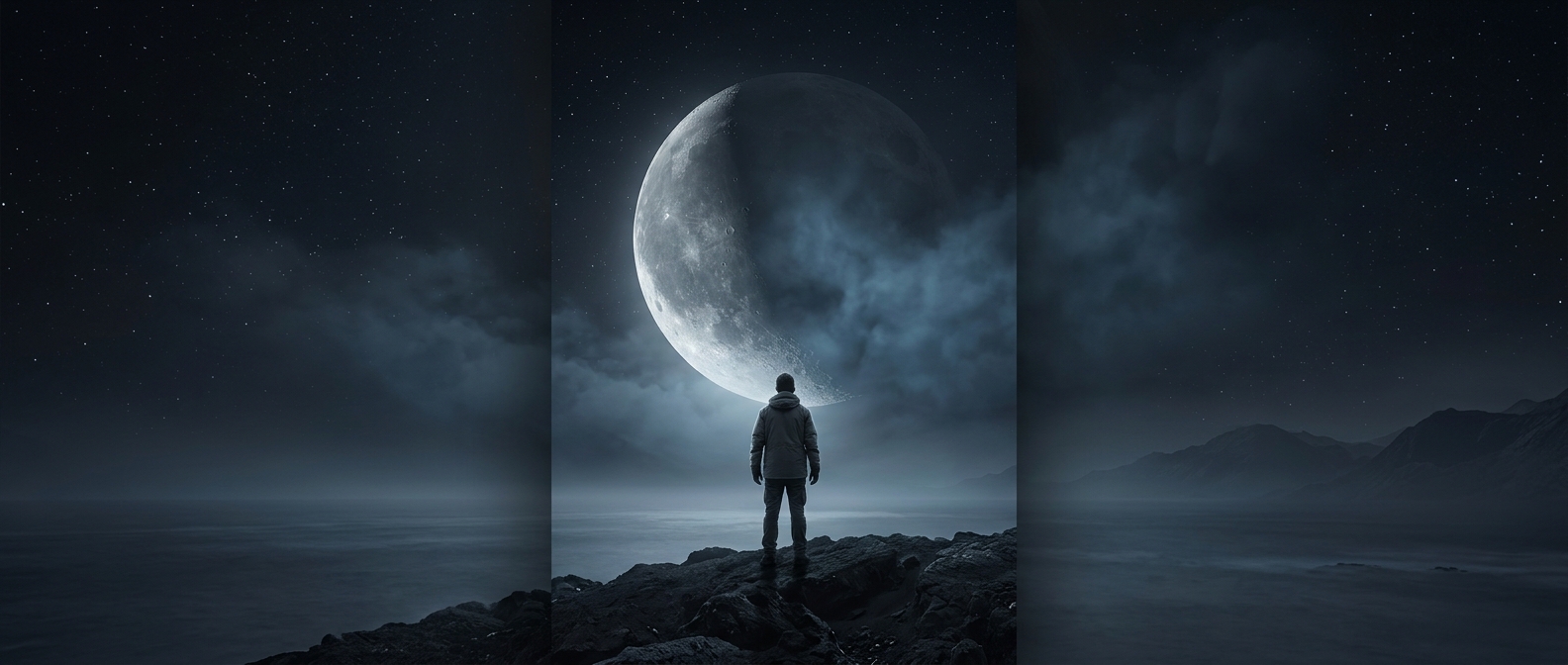
Could a moon have its own moon

HERE’S THE INTERESTING PART

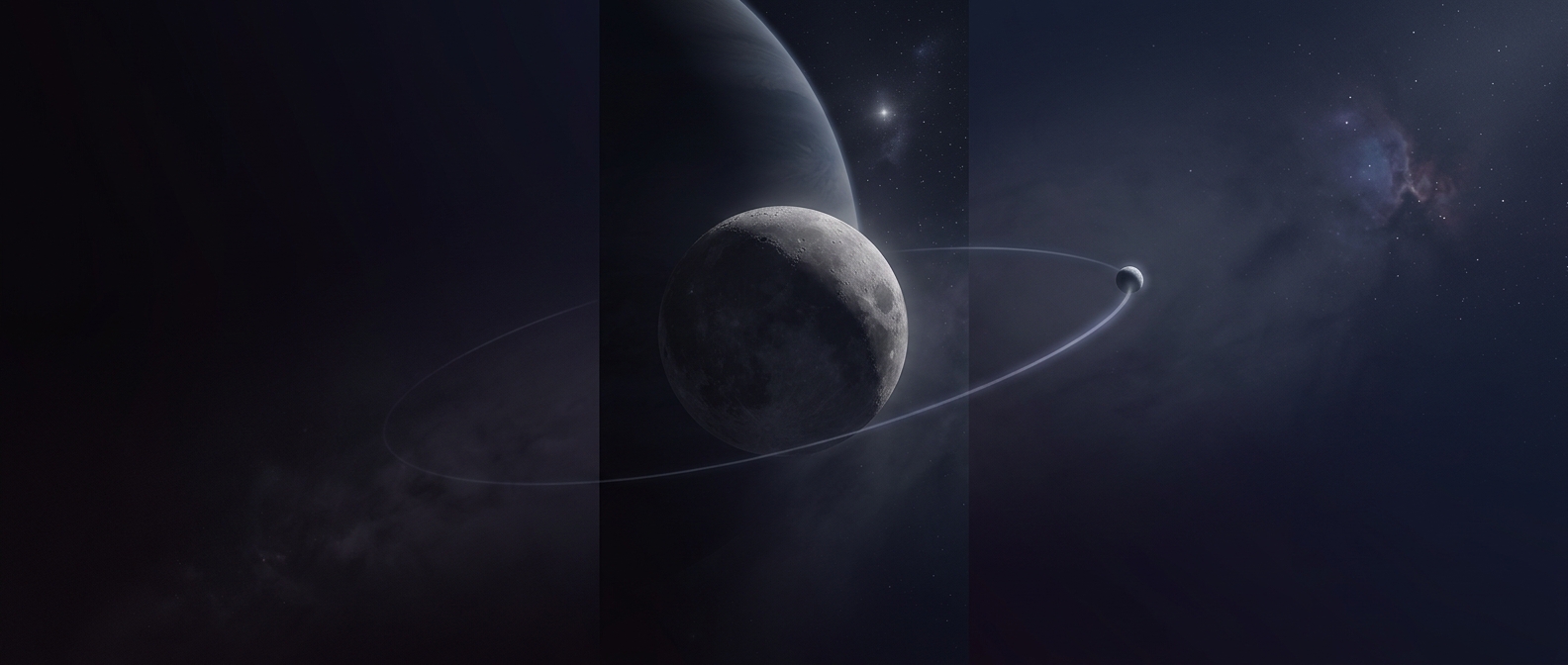
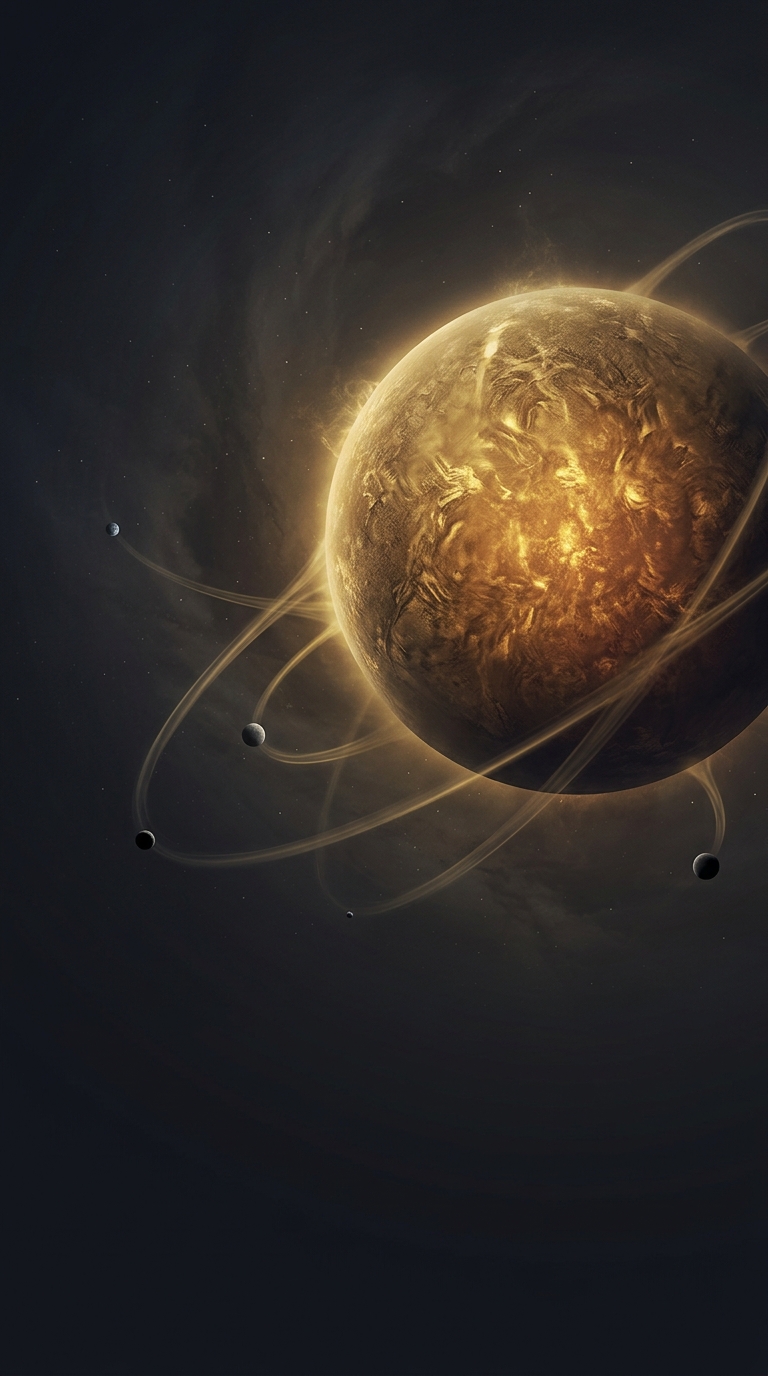
Nature loves a good matryoshka doll, and celestial bodies are no exception. Astronomers have calculated that large enough moons can theoretically host their own smaller orbiting satellites, affectionately dubbed 'moonmoons' by the scientific community because apparently all the good Latin names were taken.
Could a moon have its own moon
STACKY / Science
One discovery leads to another.

Keep exploring facts in this topic.

Science →
STACKY FOR IPHONE

A bigger world.
One discovery
at a time.

Keep discovering with Stacky. Interesting facts in an app that is always within reach.

Download on the App Store
ONE MORE DISCOVERY?

Keep exploring

All in this topic →
Why the Moon always shows us the same face
Science

Why the Moon always shows us the same face

The moon is perpetually giving us the cold shoulder by being tidally locked to our planet. It takes exactly the same amount of time to rotate once on its axis…

Discover more
Solar mass is so unfathomably huge that the Sun accounts for exactly ninety-nine point eight percent of all the matter in our entire solar system, effectively reducing everything…
Science

Solar mass is so unfathomably huge that the Sun accounts for exactly ninety-nine point eight percent of all the matter in our entire solar system, effectively reducing everything…

Solar mass is so unfathomably huge that the Sun accounts for exactly ninety-nine point eight percent of all the matter in our entire solar system, effectively…

Discover more
The crowded neighborhood that changed Pluto's status
Science

The crowded neighborhood that changed Pluto's status

Pluto's demotion makes a lot more sense when you realize it lives in a crowded neighborhood. The Kuiper belt is a massive donut-shaped ring of icy bodies just…

Discover more
Uranus genuinely smells like rotten eggs due to the massive concentration of hydrogen sulfide in its upper atmospheric layers.
Science

Uranus genuinely smells like rotten eggs due to the massive concentration of hydrogen sulfide in its upper atmospheric layers.

Uranus genuinely smells like rotten eggs due to the massive concentration of hydrogen sulfide in its upper atmospheric layers. Astronomers used sophisticated…

Discover more
Some stars orbit so closely they steal material
Science

Some stars orbit so closely they steal material

Being a solitary star is entirely too peaceful for some stellar masses. Many bright points in the sky are actually two massive suns violently trapped in each…

Discover more
Pluto has not completed a single orbit around the sun since its discovery in 1930, and it will not complete its first observed revolution until the year 2178.
Science

Pluto has not completed a single orbit around the sun since its discovery in 1930, and it will not complete its first observed revolution until the year 2178.

Pluto has not completed a single orbit around the sun since its discovery in 1930, and it will not complete its first observed revolution until the year 2178.…

Discover more
StackyMore discoveries in the app
Download on the App Store