stackyFACTS
Science

Why the Moon always shows us the same face

HERE’S THE INTERESTING PART

The moon is perpetually giving us the cold shoulder by being tidally locked to our planet. It takes exactly the same amount of time to rotate once on its axis as it does to orbit Earth, meaning humanity stared up at the exact same crater patterns for millennia until satellites finally peeked around the back.

Why the Moon always shows us the same face
STACKY / Science
One discovery leads to another.

Keep exploring facts in this topic.

Science →
STACKY FOR IPHONE

A bigger world.
One discovery
at a time.

Keep discovering with Stacky. Interesting facts in an app that is always within reach.

Download on the App Store
ONE MORE DISCOVERY?

Keep exploring

All in this topic →
Uranus completely lacks any internal heat source
Science

Uranus completely lacks any internal heat source

It is officially the most boring, dead gas giant in the neighborhood. While Jupiter and Saturn radiate vast amounts of internal energy left over from their…

Discover more
A quasar can outshine the entire galaxy surrounding its feeding black hole
Science

A quasar can outshine the entire galaxy surrounding its feeding black hole

If you want to announce your presence to the entire observable universe, this is how you do it. These intensely luminous objects are powered by massive…

Discover more
The crowded neighborhood that changed Pluto's status
Science

The crowded neighborhood that changed Pluto's status

Pluto's demotion makes a lot more sense when you realize it lives in a crowded neighborhood. The Kuiper belt is a massive donut-shaped ring of icy bodies just…

Discover more
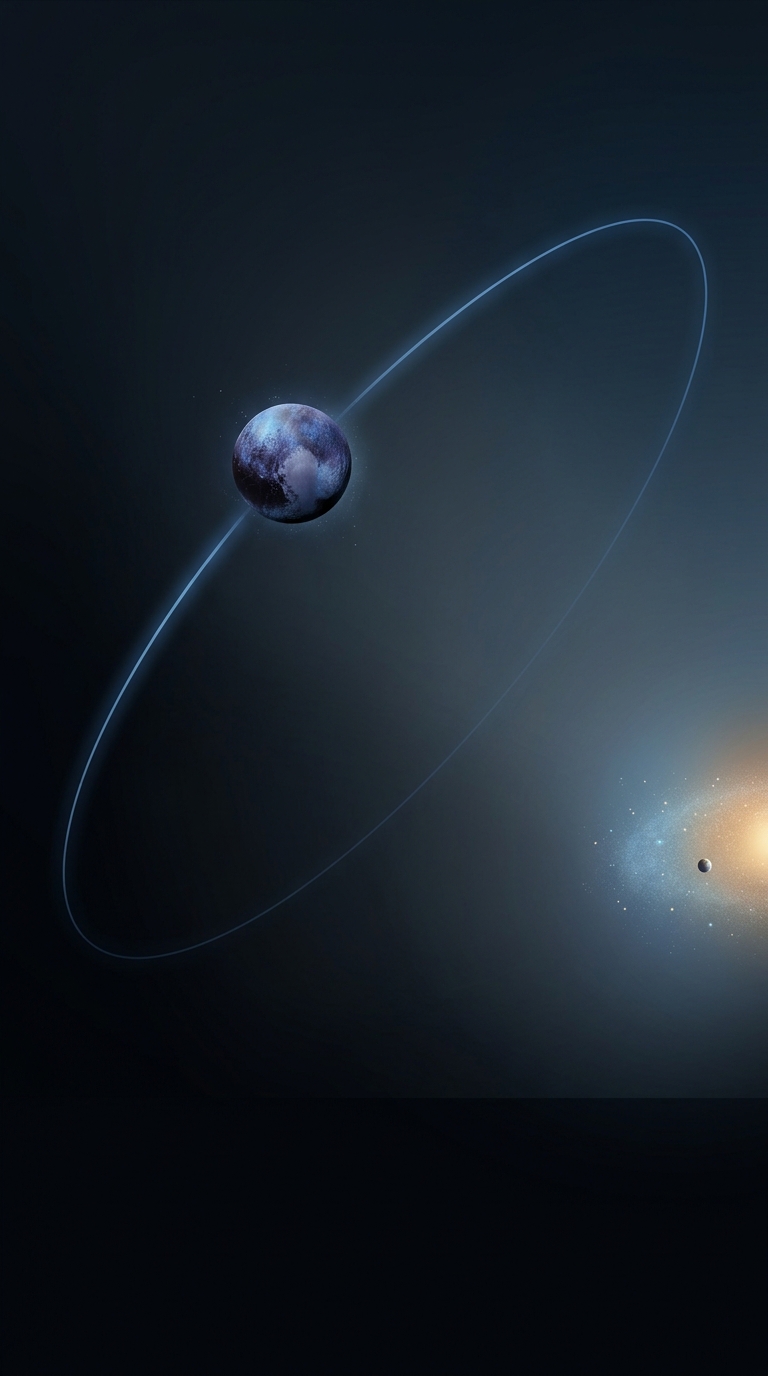
Pluto has not completed a single orbit around the sun since its discovery in 1930, and it will not complete its first observed revolution until the year 2178.
Science

Pluto has not completed a single orbit around the sun since its discovery in 1930, and it will not complete its first observed revolution until the year 2178.

Pluto has not completed a single orbit around the sun since its discovery in 1930, and it will not complete its first observed revolution until the year 2178.…

Discover more
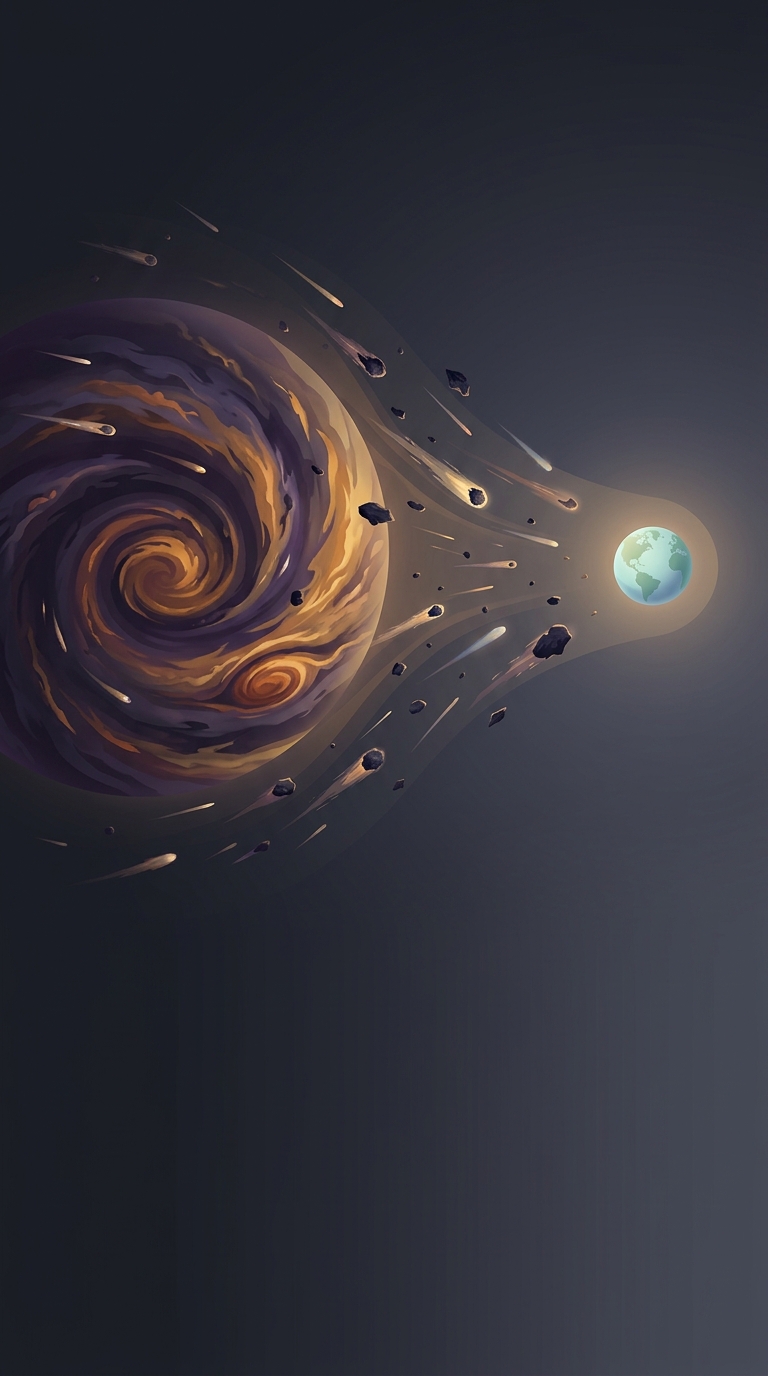
Jupiter acts as a massive cosmic vacuum cleaner for the solar system, using its immense gravitational field to suck up or deflect dangerous asteroids and comets away from Earth.
Science

Jupiter acts as a massive cosmic vacuum cleaner for the solar system, using its immense gravitational field to suck up or deflect dangerous asteroids and comets away from Earth.

Jupiter acts as a massive cosmic vacuum cleaner for the solar system, using its immense gravitational field to suck up or deflect dangerous asteroids and…

Discover more
Could a moon have its own moon
Science

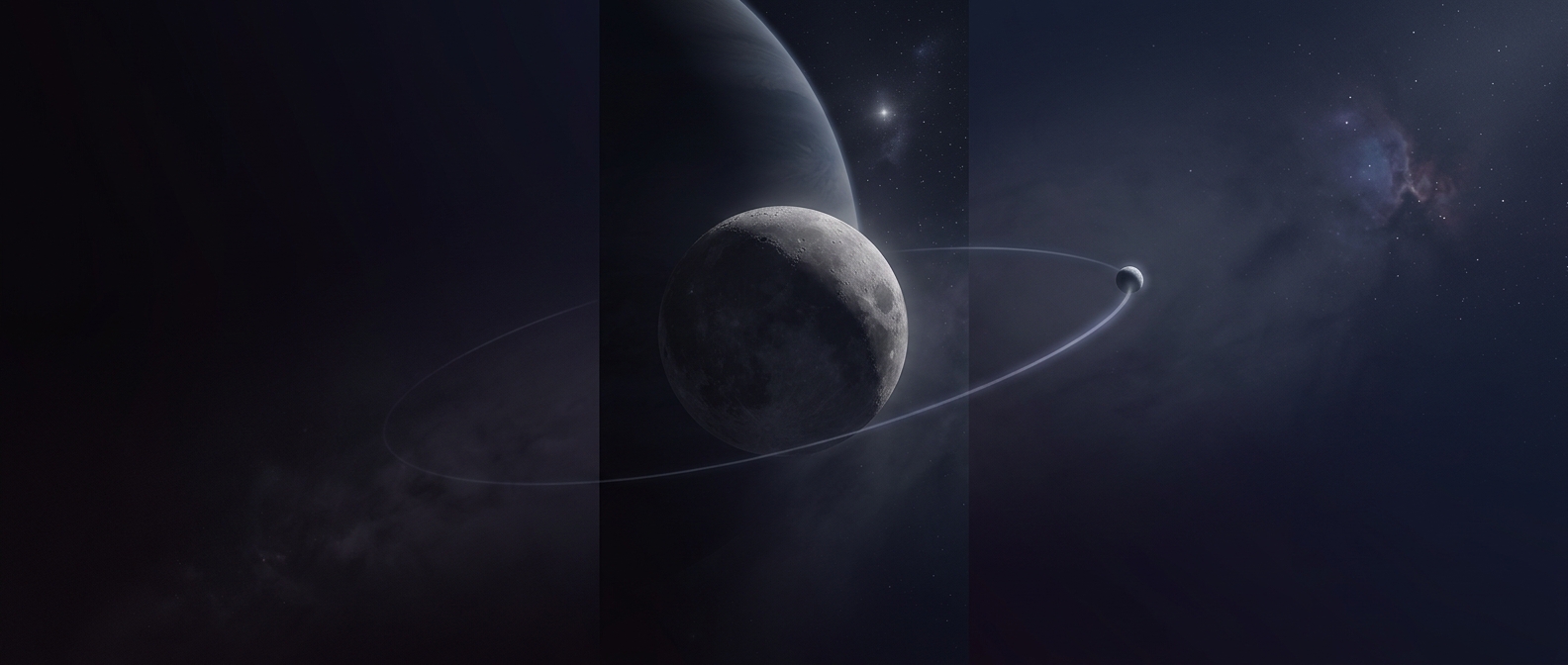
Could a moon have its own moon

Nature loves a good matryoshka doll, and celestial bodies are no exception. Astronomers have calculated that large enough moons can theoretically host their…

Discover more
StackyMore discoveries in the app
Download on the App Store