How lunar tides put a brake on Earth
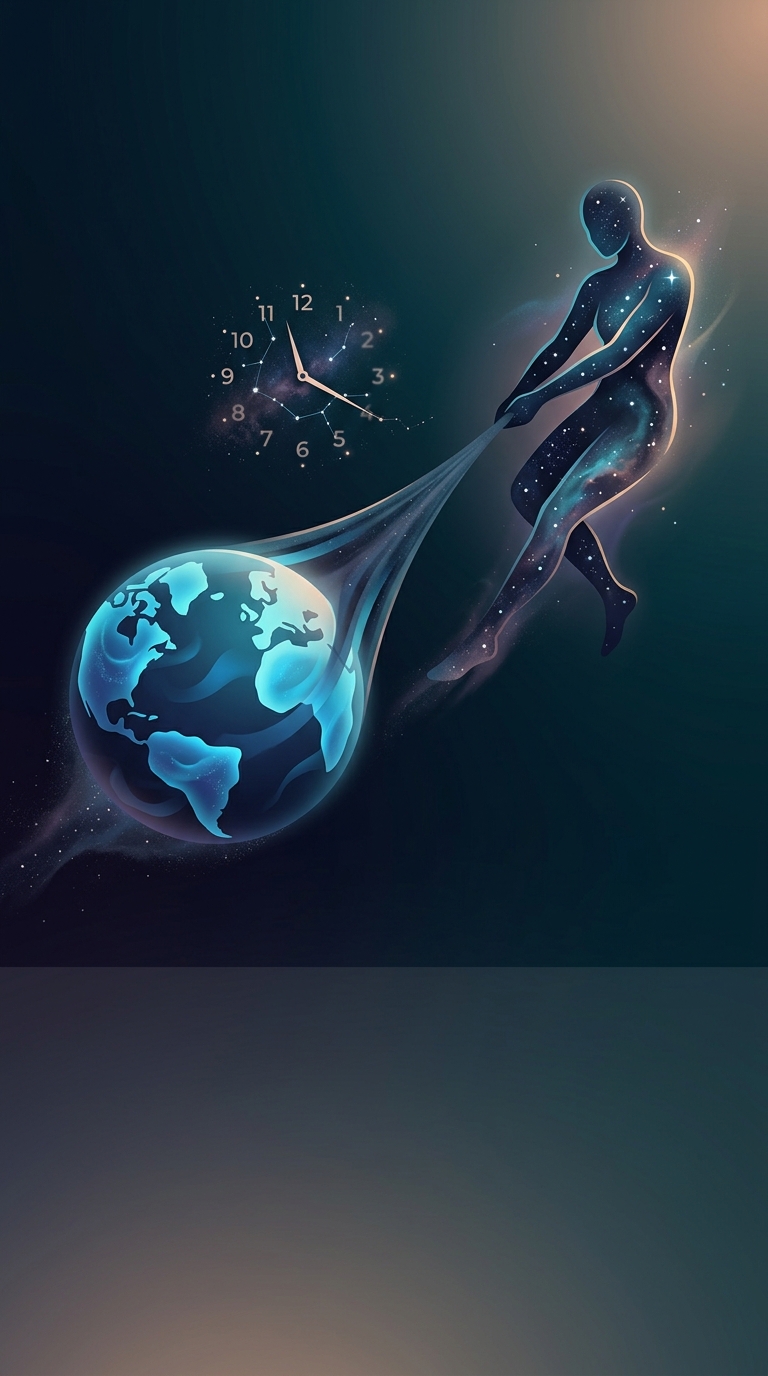
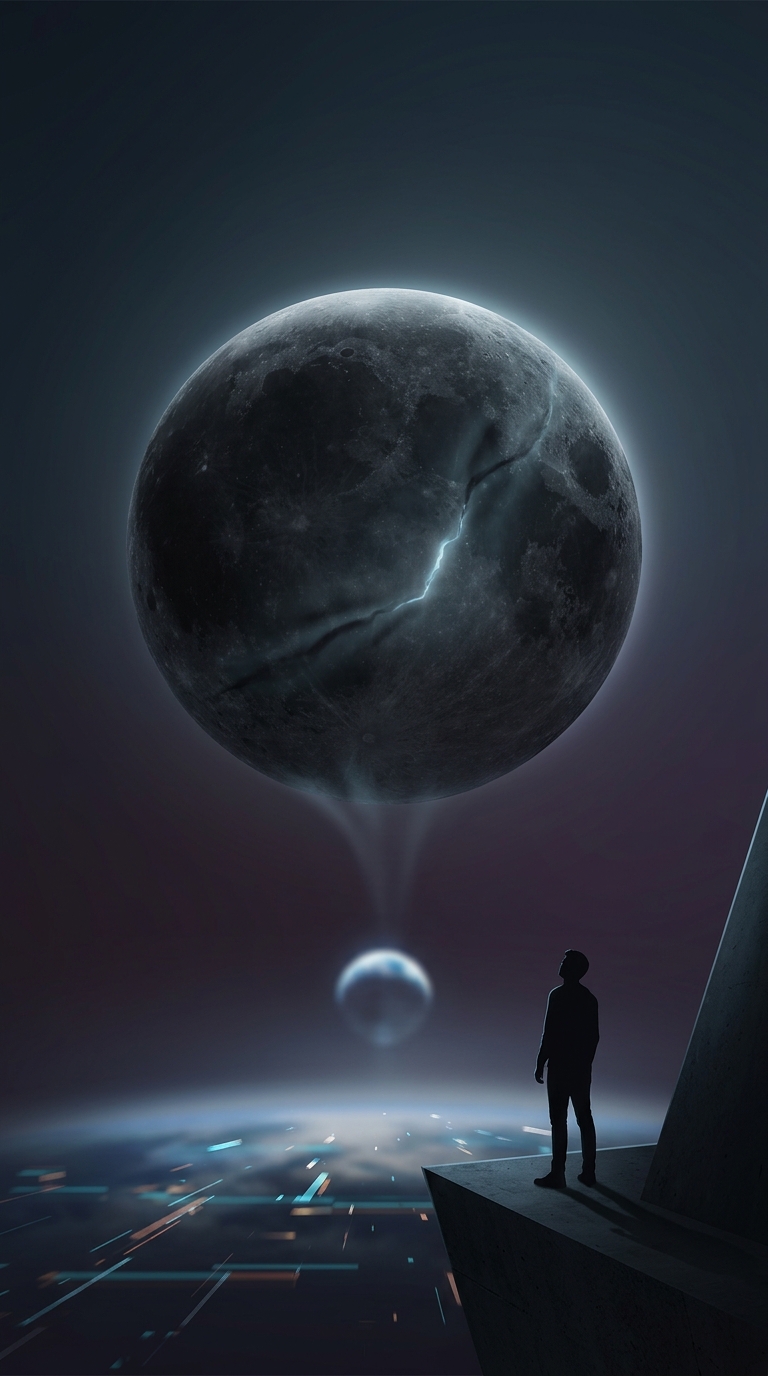
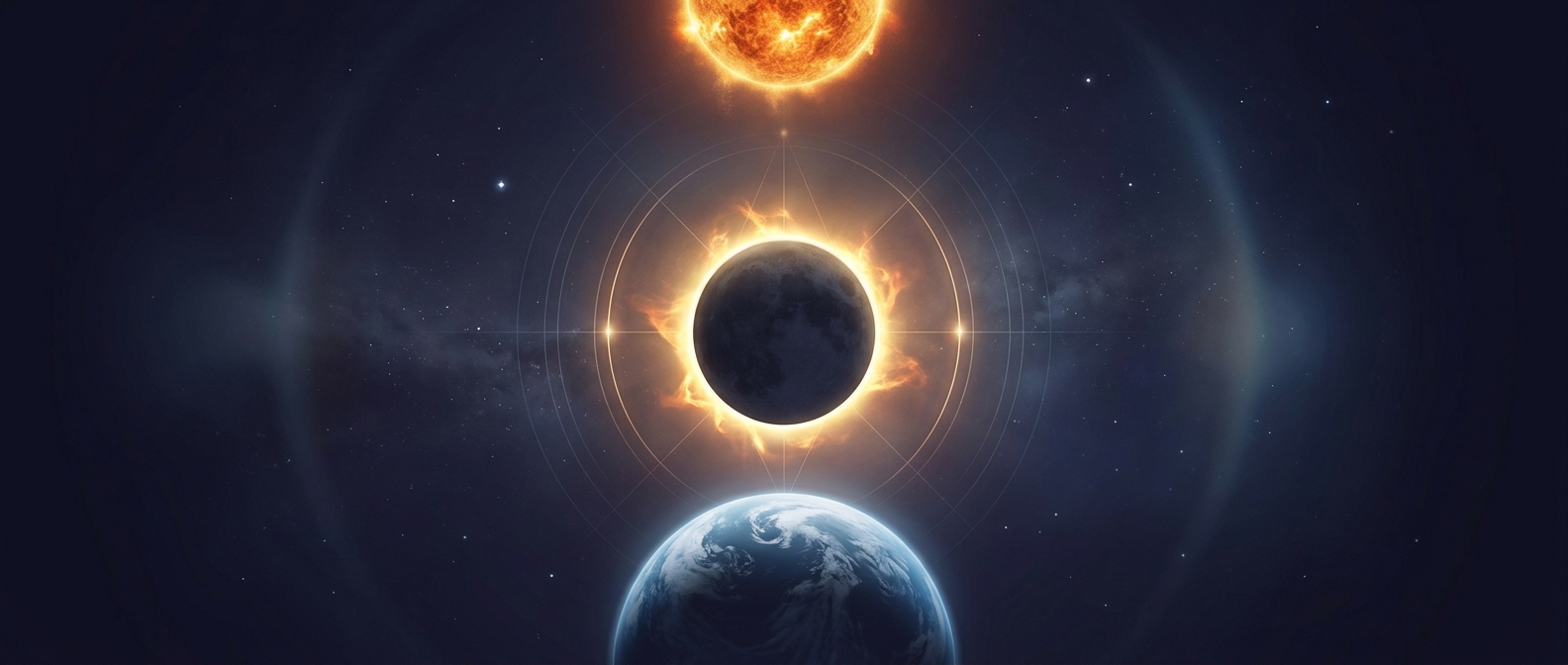
The Moon’s gravity pulls the oceans into tidal bulges. Because Earth spins faster than the Moon circles it, those bulges are carried slightly ahead of the Moon. Their gravity tugs on the Moon and gradually speeds up its orbit; at the same time, the tug acts against Earth’s spin.
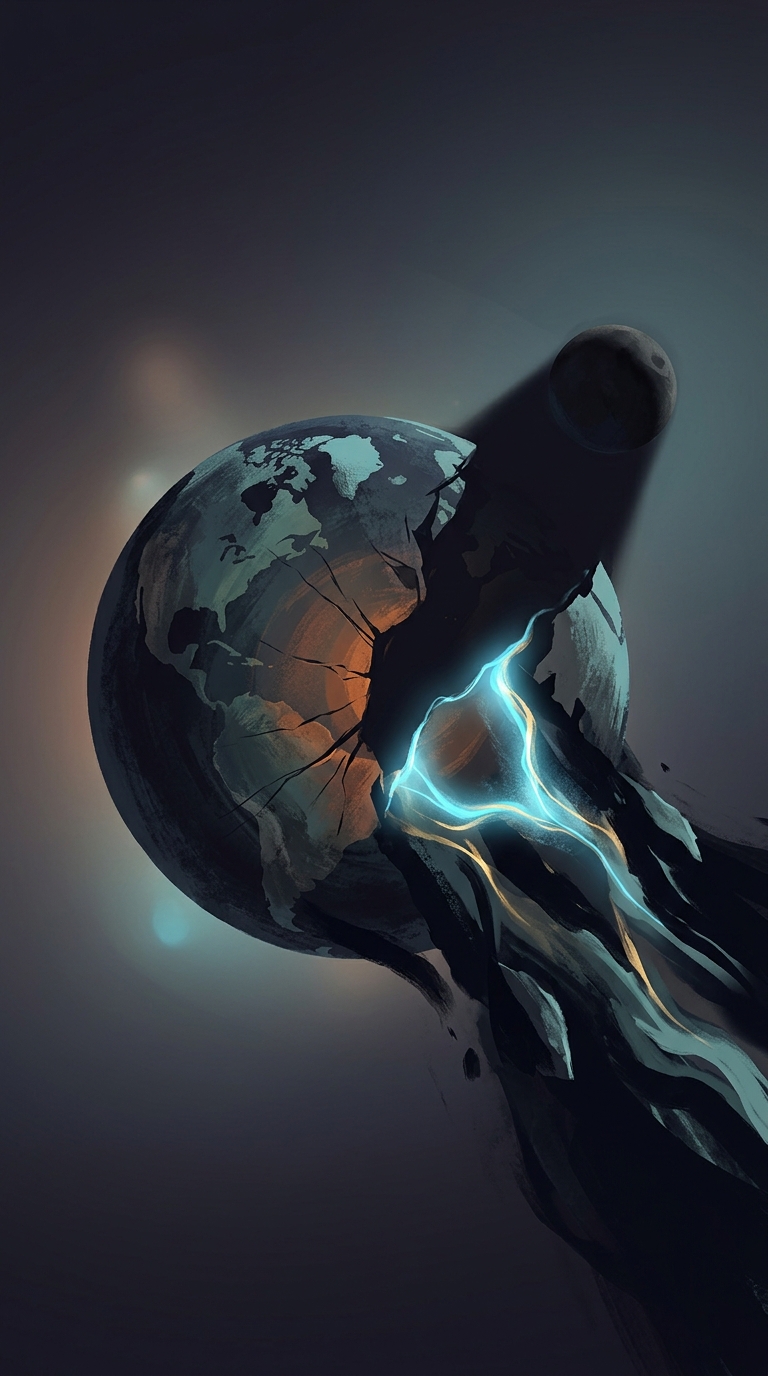
The oceans also rub against coastlines and the seafloor as tides move in and out. That friction turns a little of Earth’s rotational energy into heat. The result is a long-term transfer of angular momentum—the quantity that describes rotational motion—from Earth’s spin to the Moon’s orbit. The Moon slowly moves farther away as Earth’s rotation gradually eases.
What that means for us
A slower spin means a slightly longer day. The change is far too small to notice in daily life, and Earth’s rotation also varies over shorter periods because of changes in the atmosphere, oceans, and the planet’s interior. So the tidal effect is a long-term trend, not a steady daily countdown.
Over immense stretches of time, the cumulative change matters: days were shorter in Earth’s distant past. Today, the main consequence is for precise timekeeping. Scientists compare Earth’s actual rotation with highly stable atomic clocks and account for the difference when coordinating time standards. The tides are quietly reshaping the length of a day, but not on a human timescale.