How Earth’s spin trades energy with the Moon
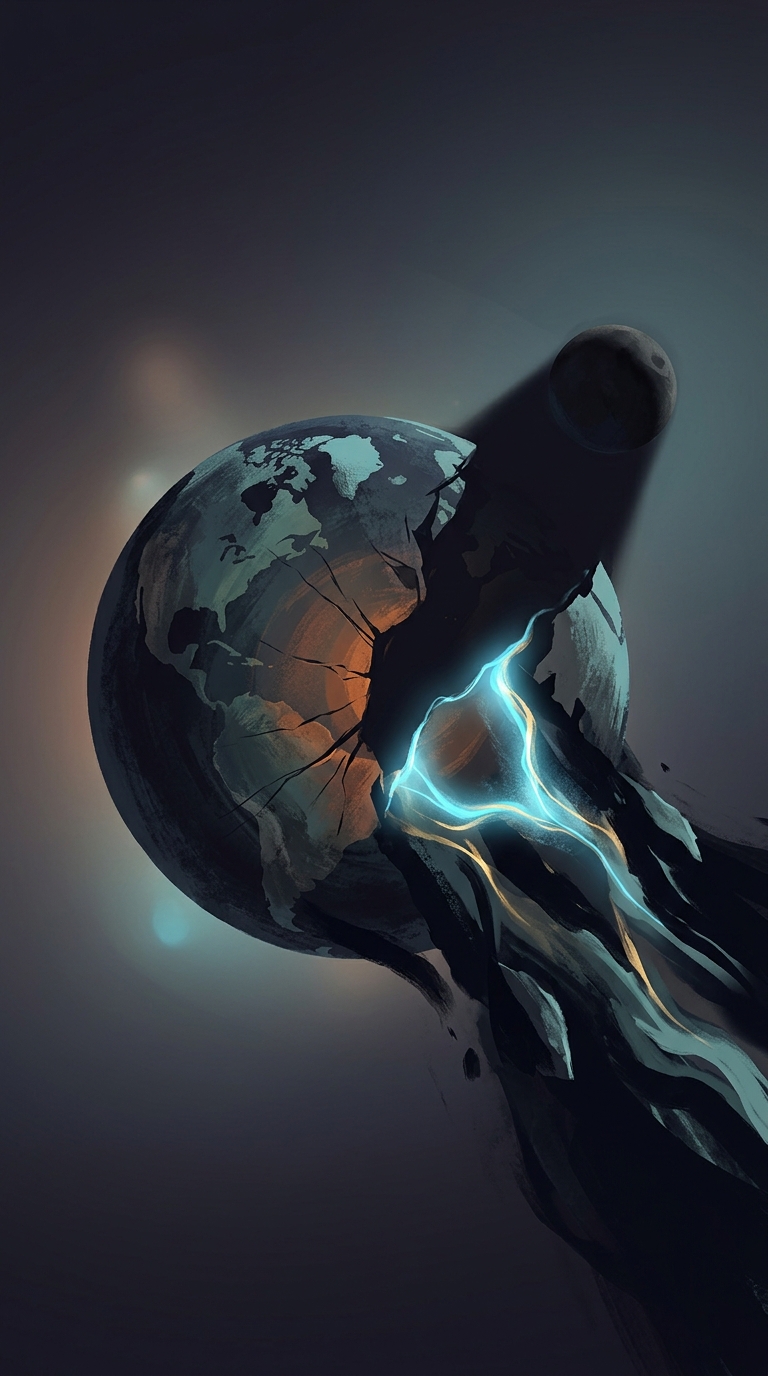
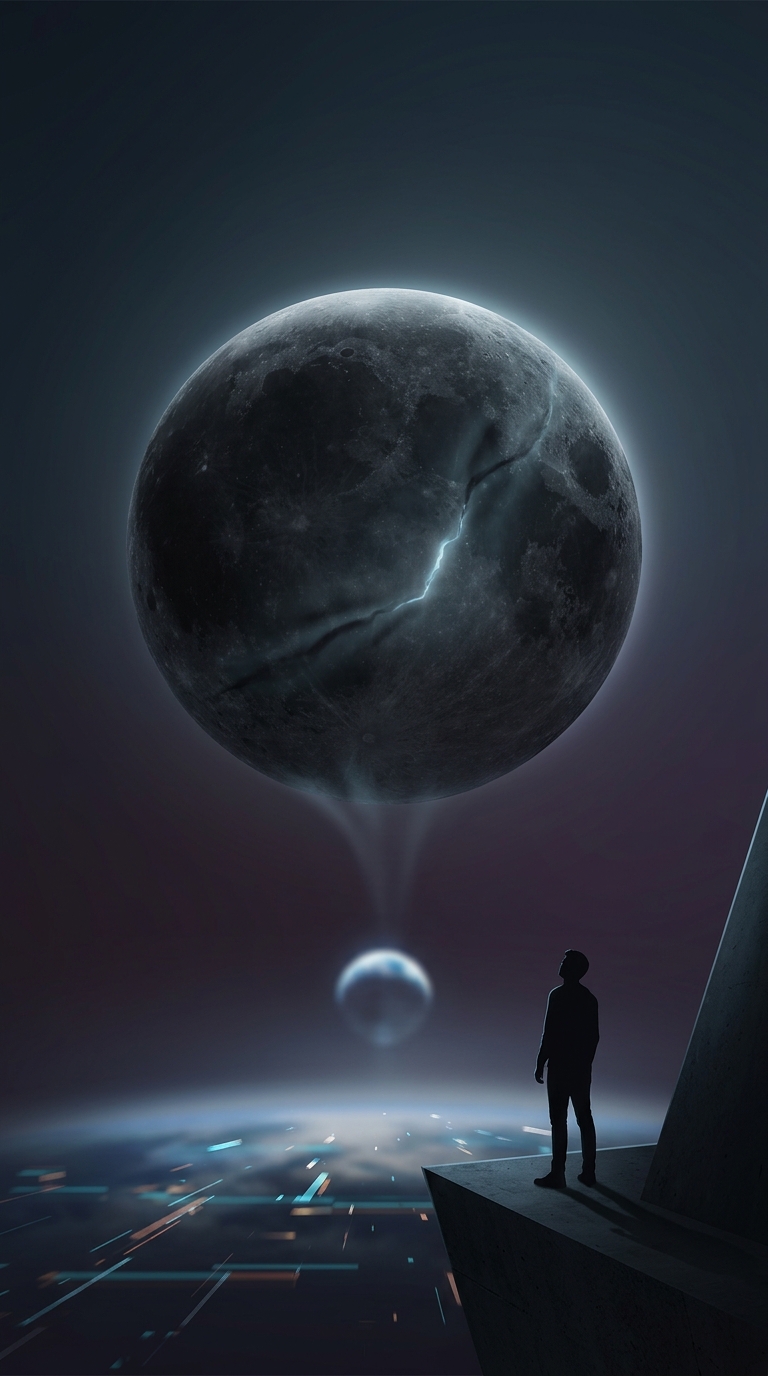
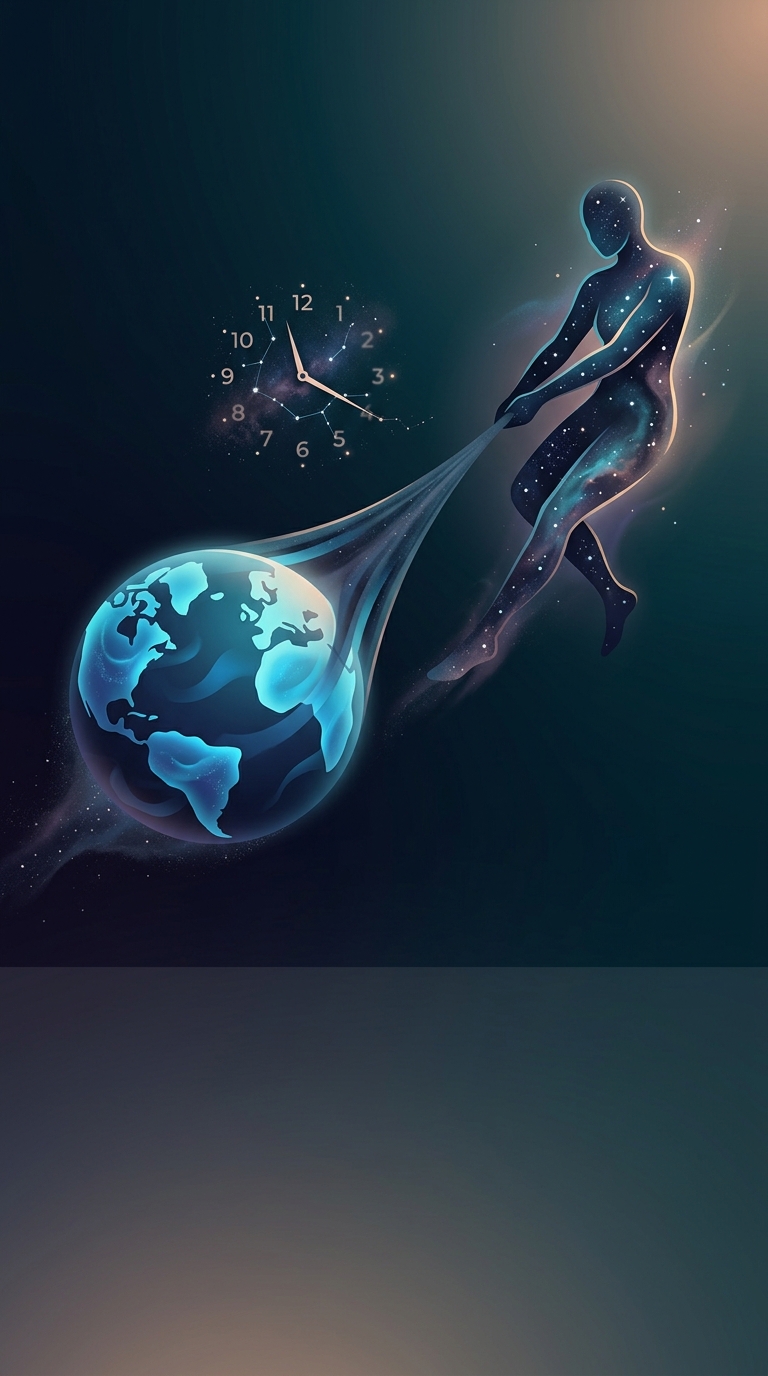
The Moon’s gravity raises tides, but Earth rotates beneath those tidal bulges faster than the Moon circles the planet. The bulges are therefore carried slightly ahead of the Moon. Their gravity tugs the Moon forward, nudging it into a wider orbit; the same interaction acts like a brake on Earth’s rotation.
This is a transfer of angular momentum—the rotational motion Earth loses is, in effect, gained by the Moon’s orbit. The Moon is gradually moving farther away, while Earth’s spin is gradually slowing. Because a day is one full rotation of Earth, a slower spin means a longer day.
A gradual change, not a daily countdown
Tidal friction, especially friction in the oceans and against the seafloor, dissipates some of the motion as heat. The effect is tiny over a human lifetime, and the length of a day also varies for shorter-term reasons, including changes in the atmosphere and the movement of water and ice. Those fluctuations do not erase the long-term braking caused by tidal interactions.
Over immense stretches of time, the accumulated slowing adds up: a rotation that once took less time can eventually take 25 hours. That is not a change people will notice from one generation to the next. It is a reminder that Earth’s rotation is not a fixed clock—it is part of an ongoing gravitational exchange with the Moon.