How a dust devil gets its first twist
A dust devil begins when the ground heats the air just above it. That warm air becomes buoyant and rises, while cooler air moves in to replace it. If the incoming air is already sliding sideways—or arrives unevenly from different directions—the rising column can acquire a twist and tighten into a small whirlwind.
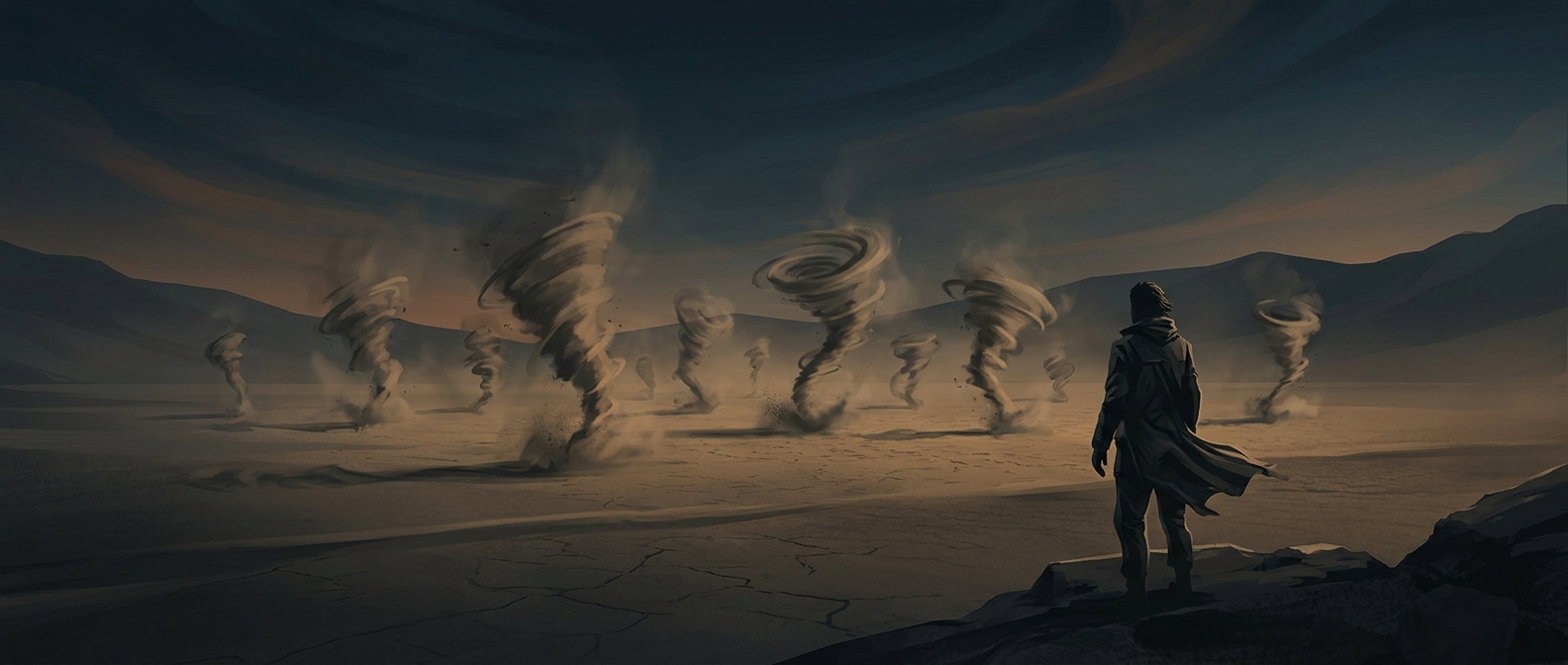
There is no single, reliable trigger for that initial rotation. A gust, a change in wind direction, or the irregular flow of air around patches of hotter and cooler ground can supply a little spin. Because these local influences vary from moment to moment, neighboring dust devils can start turning in opposite directions.
Why Earth does not dictate the direction
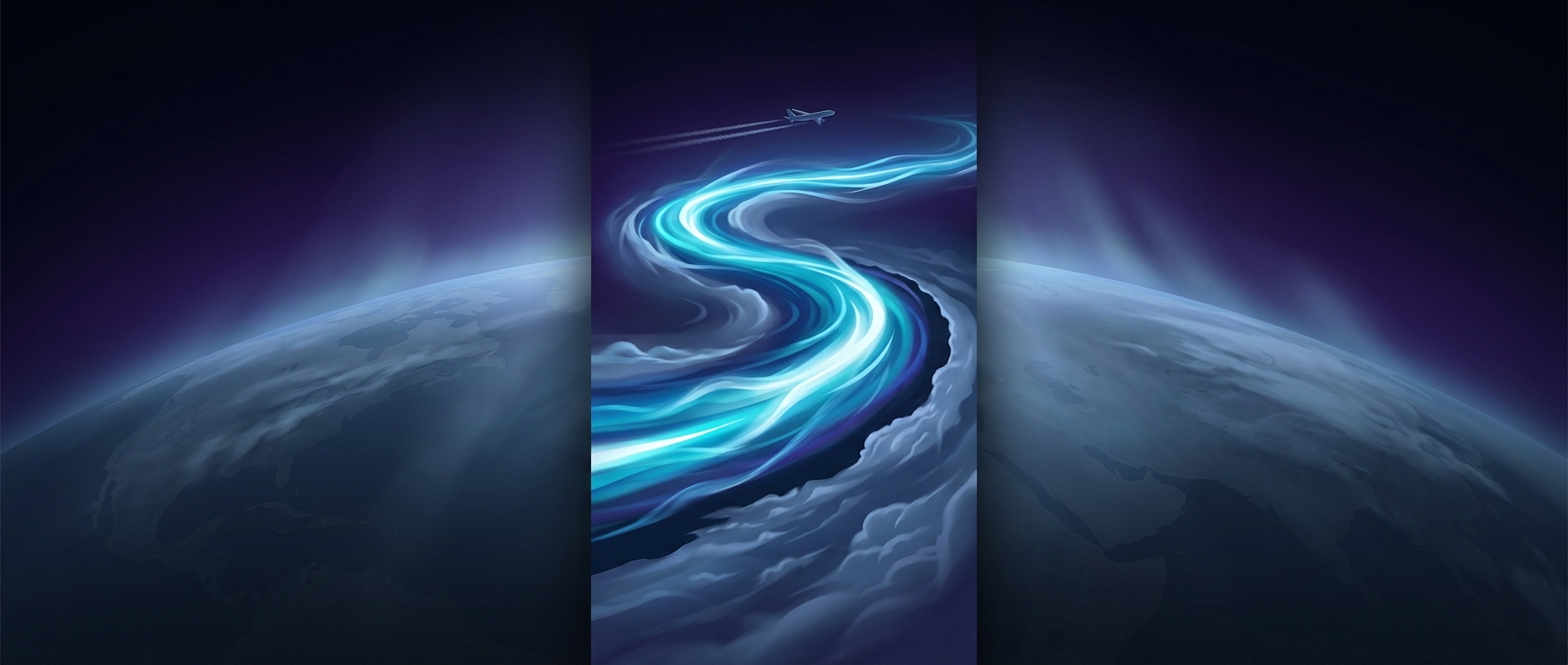
Earth’s rotation can influence the motion of very large weather systems through the Coriolis effect: moving air is deflected slightly because the planet rotates beneath it. But a dust devil is small and short-lived. The local winds and rising air that form it generally matter far more than that planetary-scale influence.
So a hemisphere does not come with a dependable spin direction for dust devils. Even over the same patch of ground, one whirlwind may turn clockwise and another counterclockwise. Their direction reflects the chance arrangement of nearby air at the moment each one forms—not a fixed rule imposed by the globe.