How a Desert Builds a Stone Surface
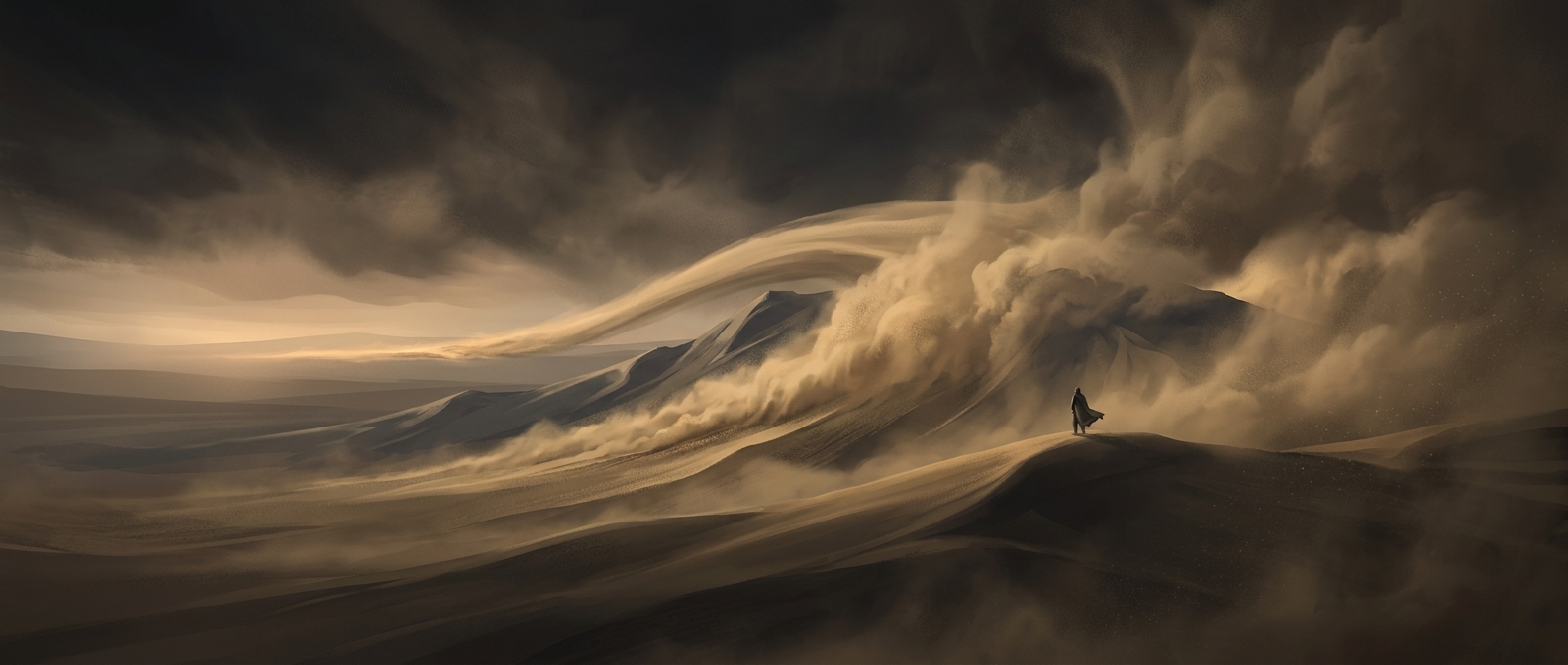
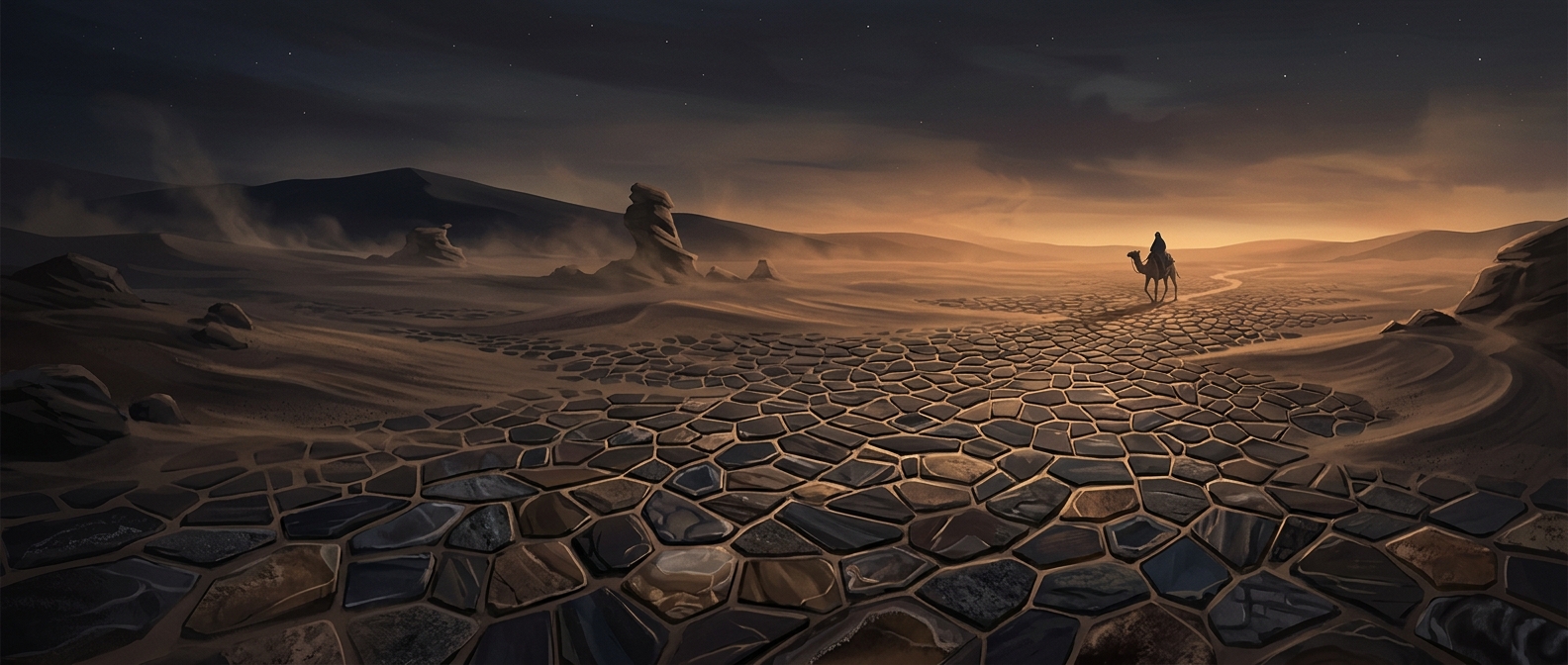
Desert pavement forms as wind repeatedly sweeps across dry ground. It can lift and carry away loose dust and sand, but most pebbles are too heavy to move. As the fine material disappears, the stones left at the surface settle into a close-fitting layer called a stone lag. The pavement is therefore less like a pile of rocks delivered by the wind than a surface gradually exposed by what the wind removes.
Why the Stones Pack So Closely
The sorting can continue over long periods. Fine particles escape through gaps between stones, leaving the larger pieces behind; occasional rain runoff can also wash away loose sediment. With fewer grains beneath and between them, stones may shift and settle until they form a fairly continuous cover. The result can look deliberately paved, even though no one arranged it.
A Shield That Can Be Broken
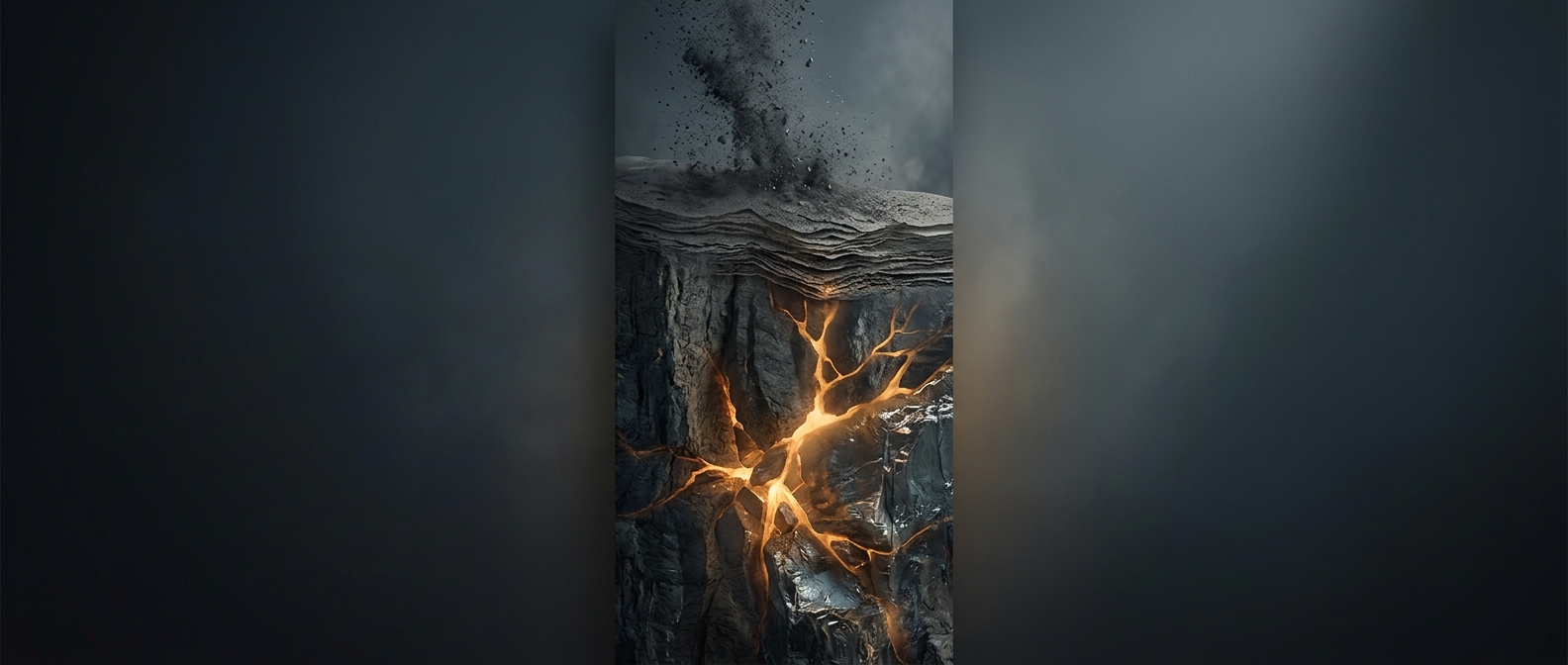
Once in place, the rocky layer changes what happens next. It takes the force of wind and raindrops, making it harder for those forces to pick up or wash away the finer soil below. That protection matters because the exposed sediment can be a source of dust and can support desert plants and other life.
But the armor is fragile in a different way: vehicle tracks, digging, or heavy foot traffic can scatter the stones and expose the soil. A disturbed patch may then erode more readily than the intact pavement beside it. The surface is both evidence of long-term removal and part of what slows that removal down.