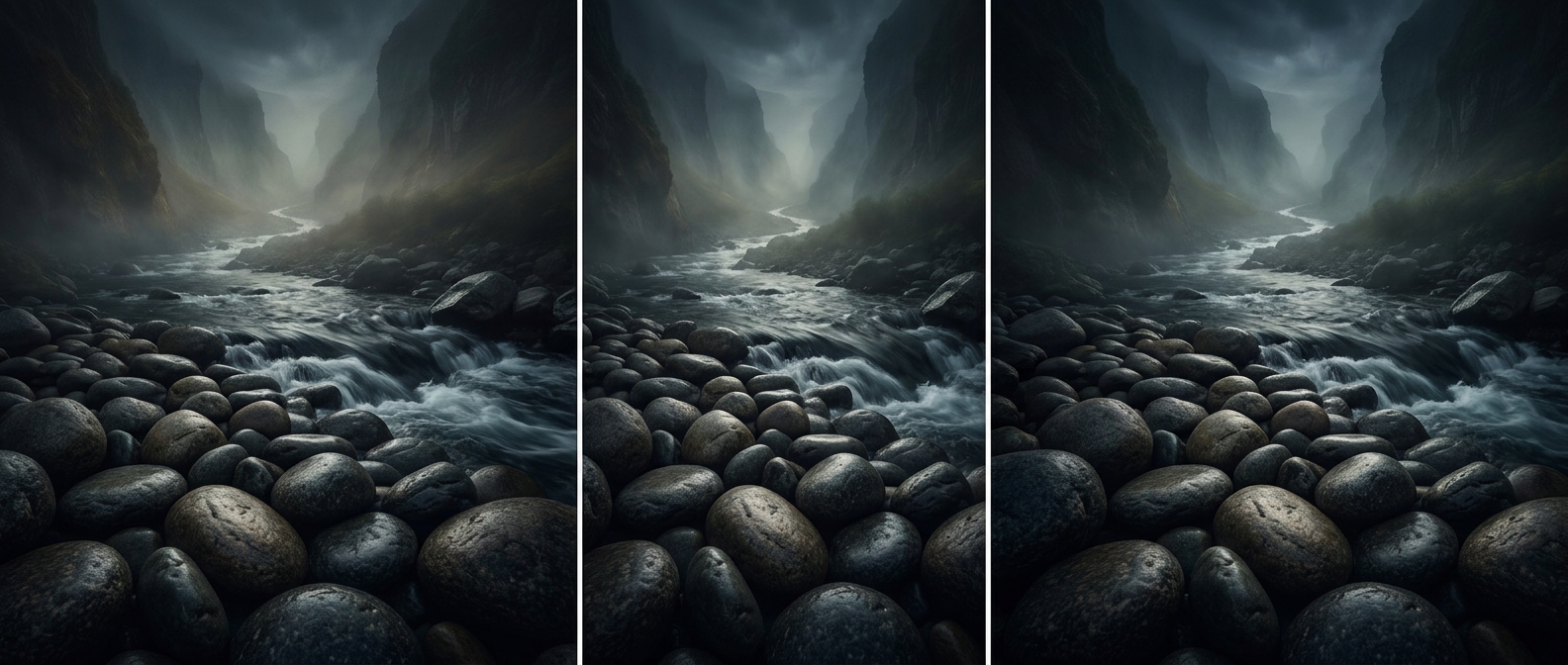
How a Stream Builds a Stone Shield
A stream does not move every grain equally. Flowing water exerts drag on the bed, and small grains such as sand are easier to lift or roll than large cobbles. As ordinary currents carry away the finer material, the heavier stones remain behind. This gradual sorting leaves a coarse layer at the surface, often called an armor layer.
Why the Layer Slows Erosion
The cobbles take the first impact of the current and cover the smaller grains between and beneath them. Water may still tug at the exposed stones, but it cannot reach as much of the finer bed material directly. Since those grains are easier to move, hiding them makes it harder for the stream to deepen or reshape its channel during routine flows.
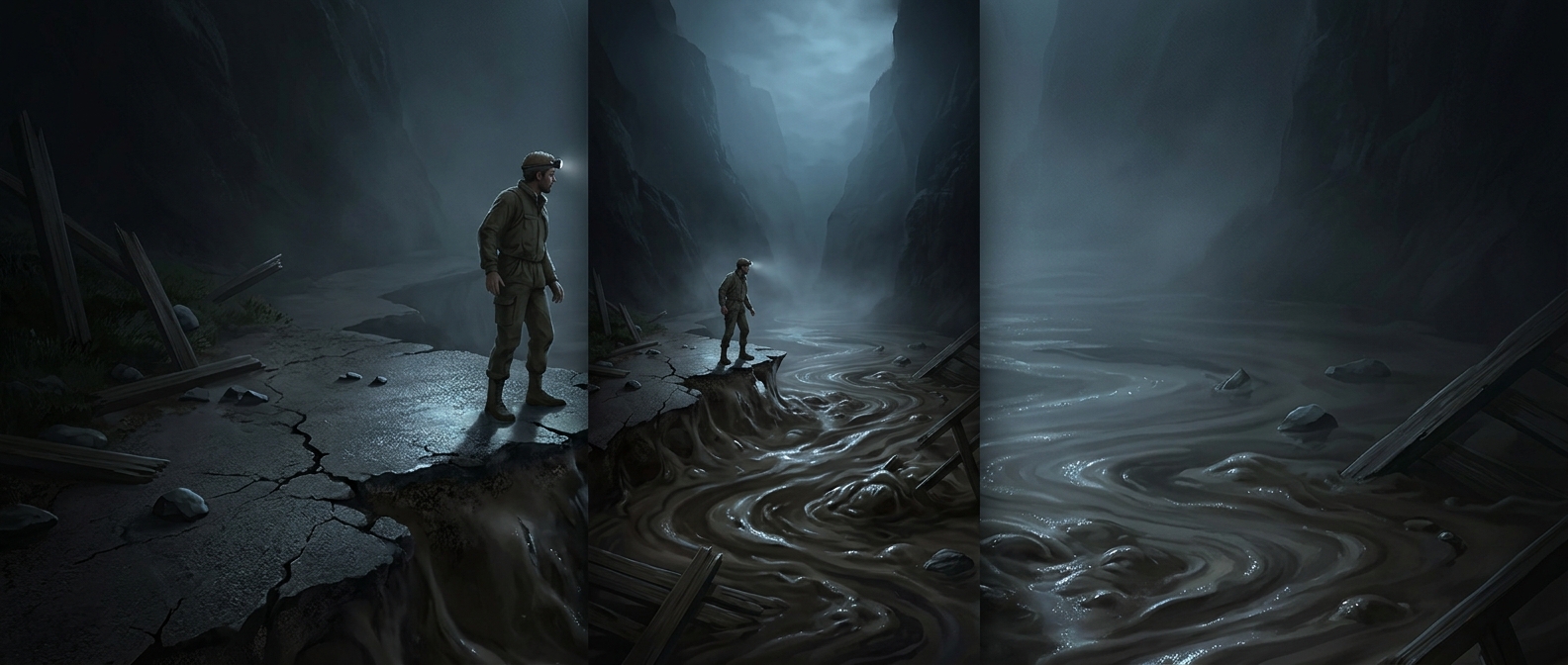
The protection is not a permanent crust. It depends on the stones staying in place and covering enough of the bed. A powerful flood can push or roll cobbles downstream, opening gaps or removing much of the layer. Once finer sediment is exposed, the current can pick it up more readily, and erosion may accelerate until a new coarse surface forms or the flow loses strength.
Floods Can Reset the Bed
This creates a threshold effect: a bed that changes little under everyday currents can shift sharply when water becomes strong enough to move its largest surface stones. Afterward, the channel may scour—lose sediment as water carries it away—before depositing material elsewhere. The cobbles left in a stream are therefore more than loose stones: they record how past flows sorted the bed and help determine how readily the next flow can alter it.