When Calcite Has Not Yet Set Into a Crust
Many familiar cave deposits form when water carrying dissolved minerals releases calcite, a common mineral made of calcium carbonate. As the water loses carbon dioxide or evaporates, calcite can crystallize. Given time, crystals accumulate and lock together into a hard coating on the cave wall.
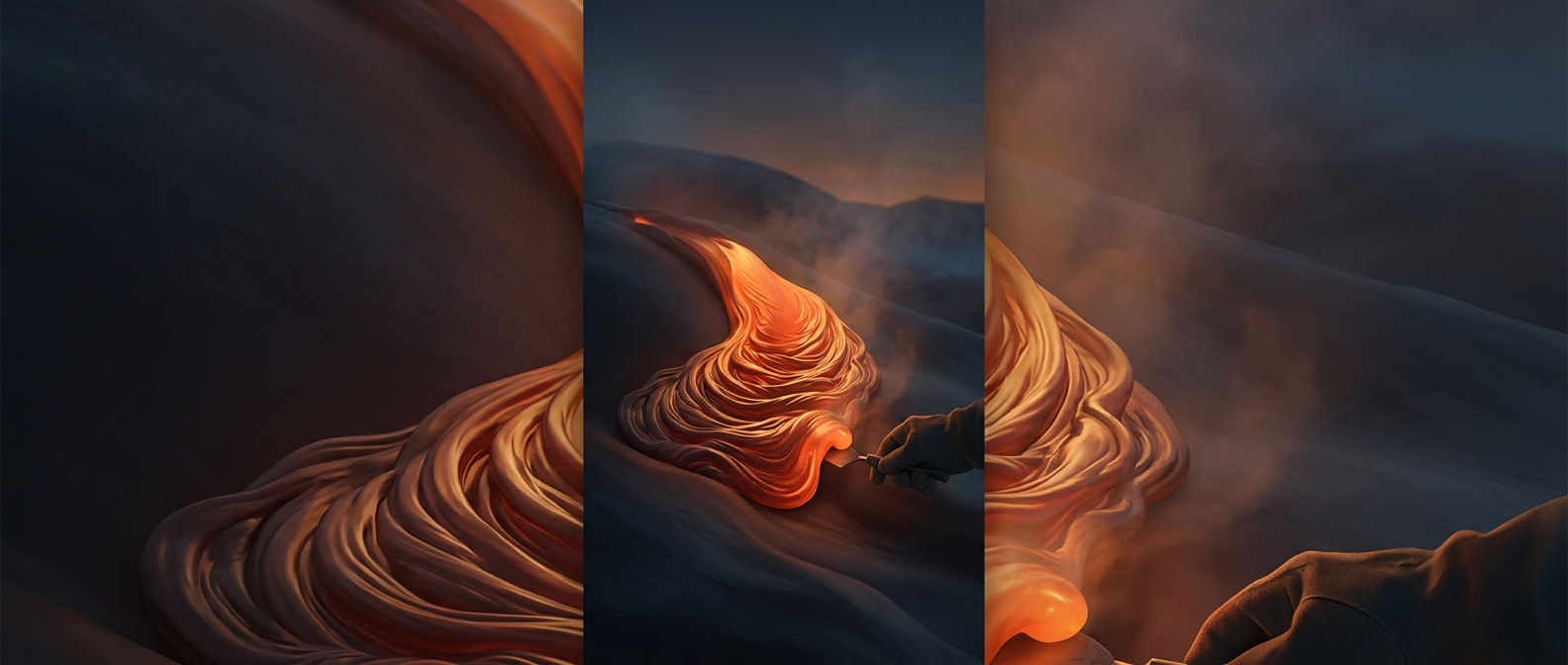
A soft, paste-like patch is different in texture because its calcite is present as extremely small crystals mixed with abundant water. The grains have not formed the tightly packed, solid crust found in a hardened deposit. That water-and-crystal mixture can yield under a touch and smear like a soft spread.
A Mineral Deposit in a Different State
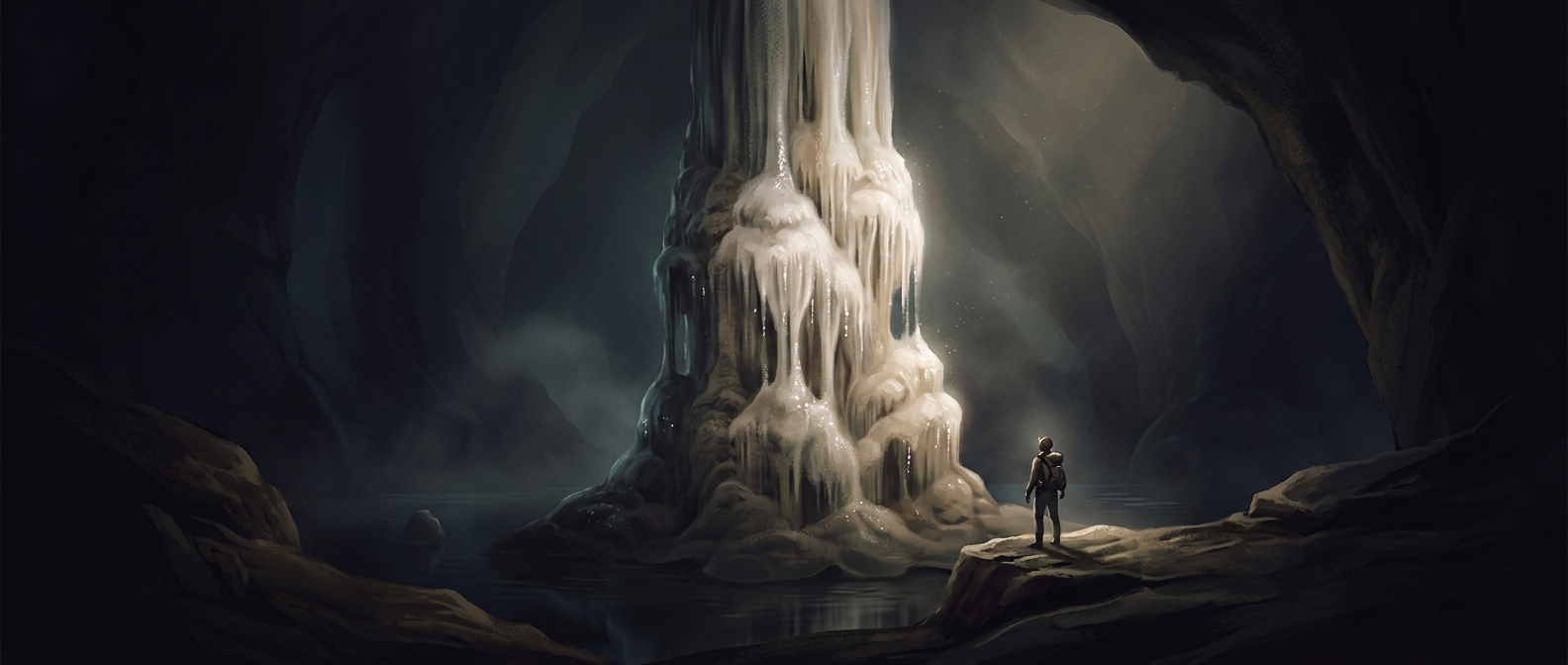
Cave specialists often call soft, fine-grained calcite deposits moonmilk. The name describes their pale, creamy appearance; it does not mean they are made of anything organic. Their softness comes from the way mineral particles and water are combined, not from the calcite itself being a soft mineral.
The contrast is visible in the cave: one patch may be a rigid, crystalline coating, while another nearby feels like wet paste. The “cream cheese” texture is a reminder that a mineral deposit can be a mixture of crystals and water rather than a finished-looking stone.