How a Glacier Turns a Valley Into a U
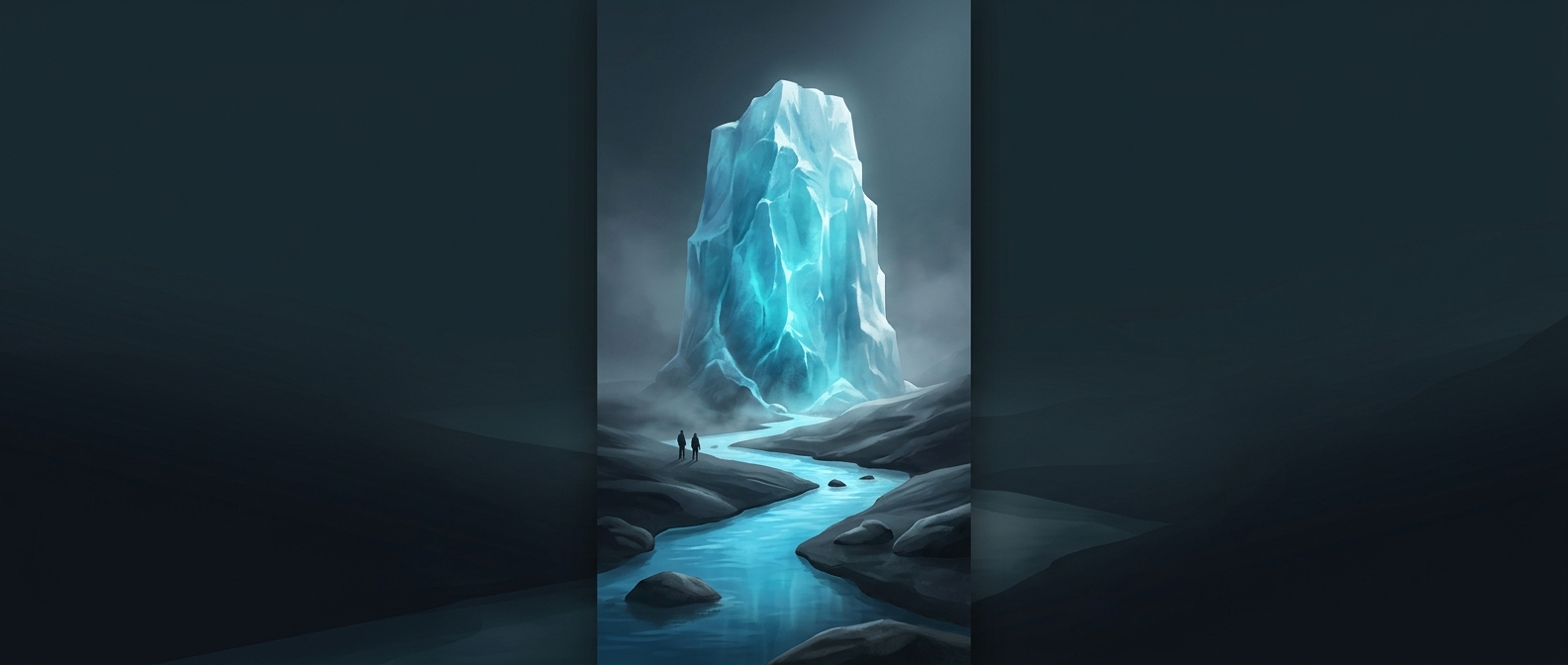
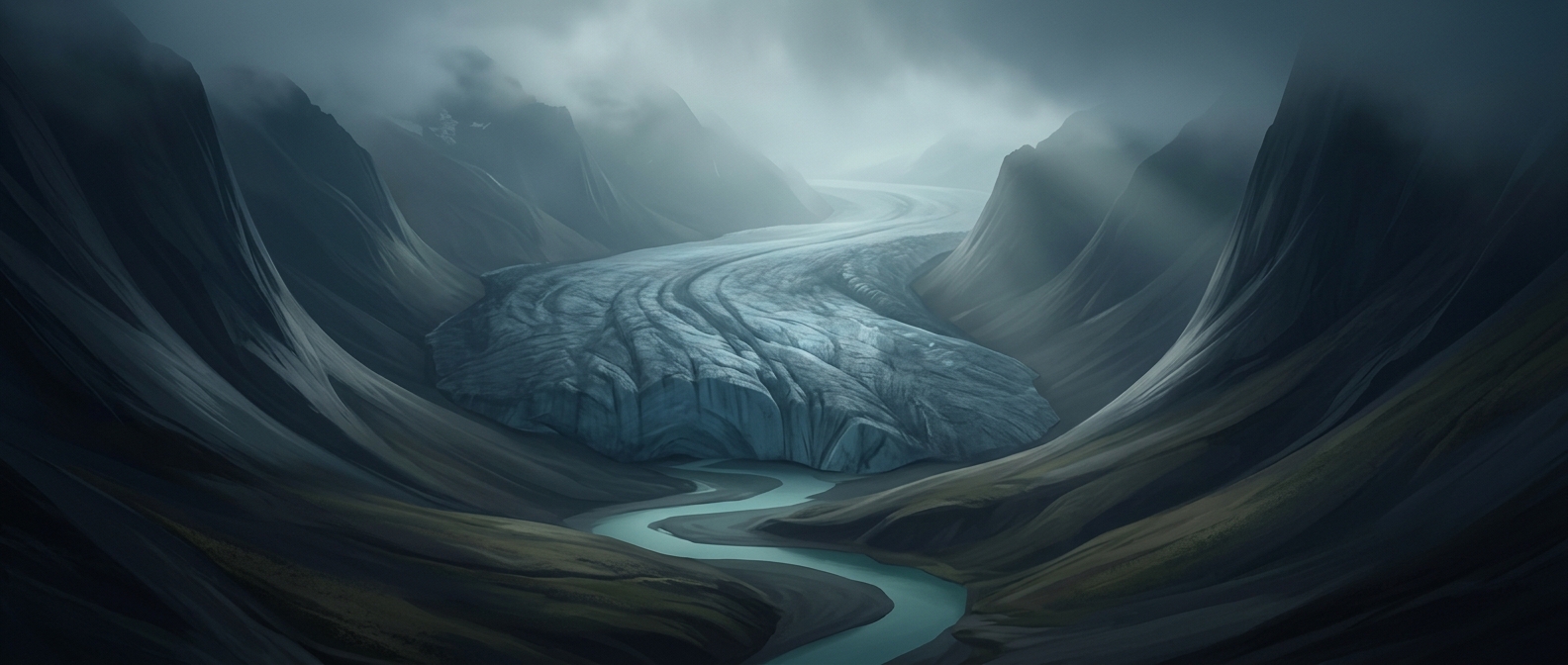
A river mostly cuts downward through its channel, leaving a narrow valley with sloping sides. A glacier fills much more of the valley: as thick ice flows downhill, it presses against the floor and walls, reshaping both at once. The result can be a wide trough with a relatively flat bottom and steep sides—the cross-section that gives a glacial valley its U shape.
Ice Does More Than Grind
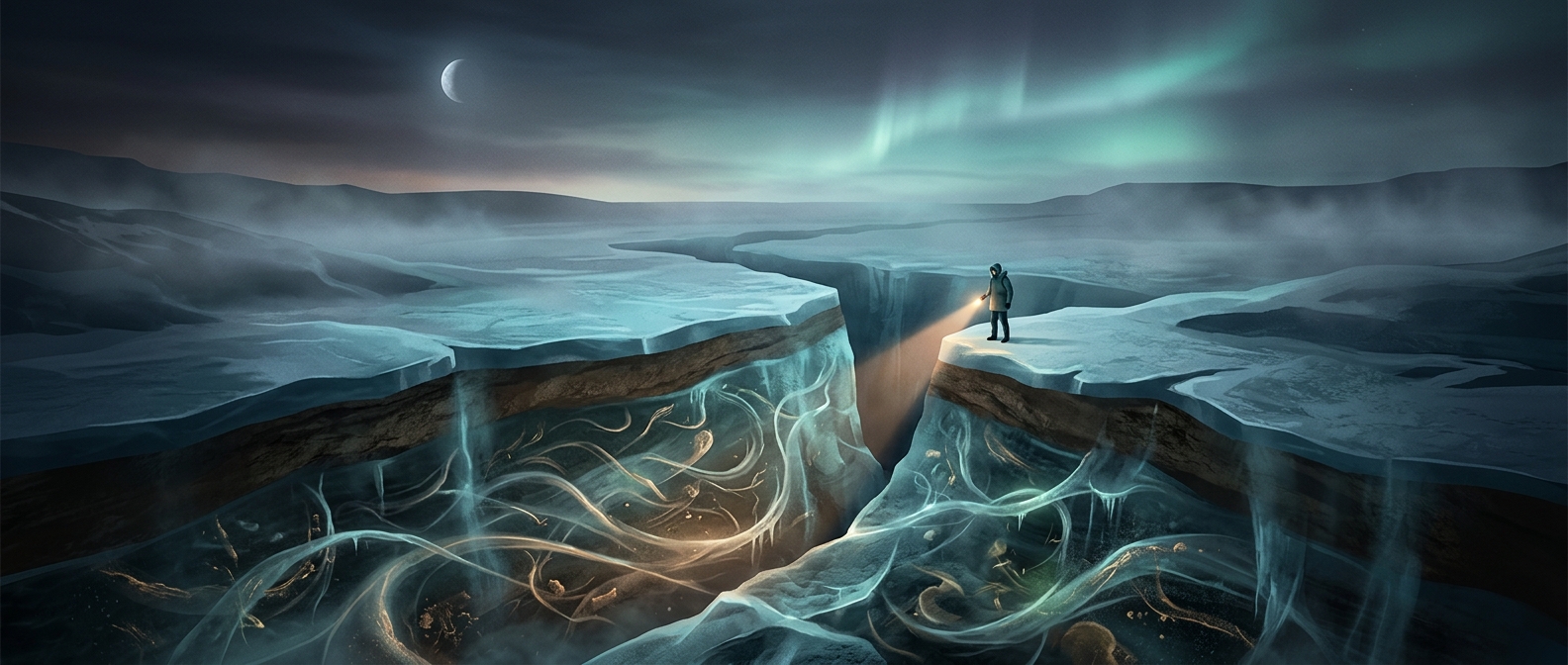
Rock fragments embedded in the glacier’s base act like tools dragged across bedrock. They scratch and wear down the surface, a process called abrasion. At the same time, ice can freeze onto fractured rock and pull pieces away as it moves. This removal of material is often called plucking.
The two processes work together. Abrasion smooths and scours exposed rock; plucking enlarges cracks and removes blocks. Because the glacier bears on the valley floor and presses against its sides, erosion is not confined to the narrow path a river follows. The valley becomes wider and deeper, while smaller ridges and spurs along its course may be cut back.
A Landscape Left Behind
When the ice retreats, it leaves the enlarged trough visible. Later, water may occupy part of it, but the broad shape still records the glacier’s reach: a river-shaped V has been remodeled into a much wider U. The transformation takes place over long periods, as countless small scratches and rock removals accumulate into a landform large enough to recognize from the surrounding slopes.