Why the Biggest Freshwater Reserves Stay Out of Reach
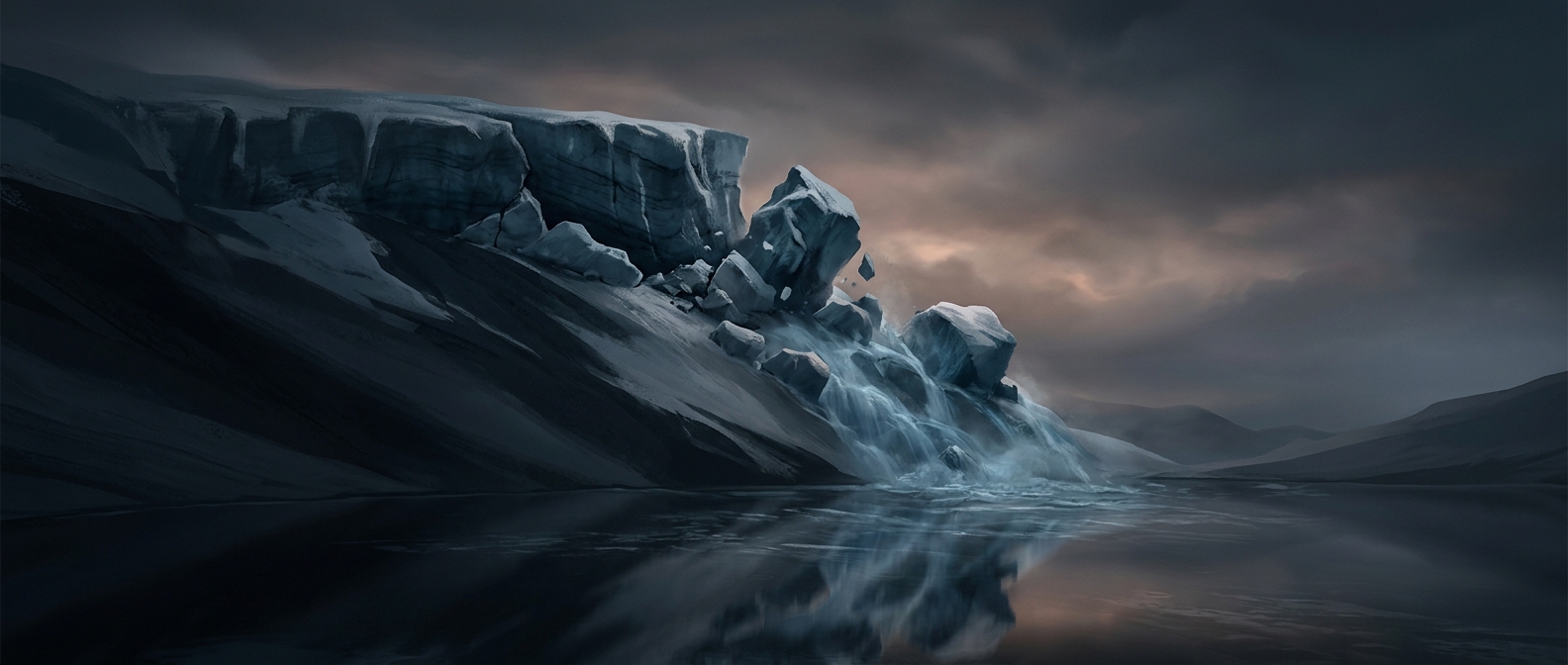
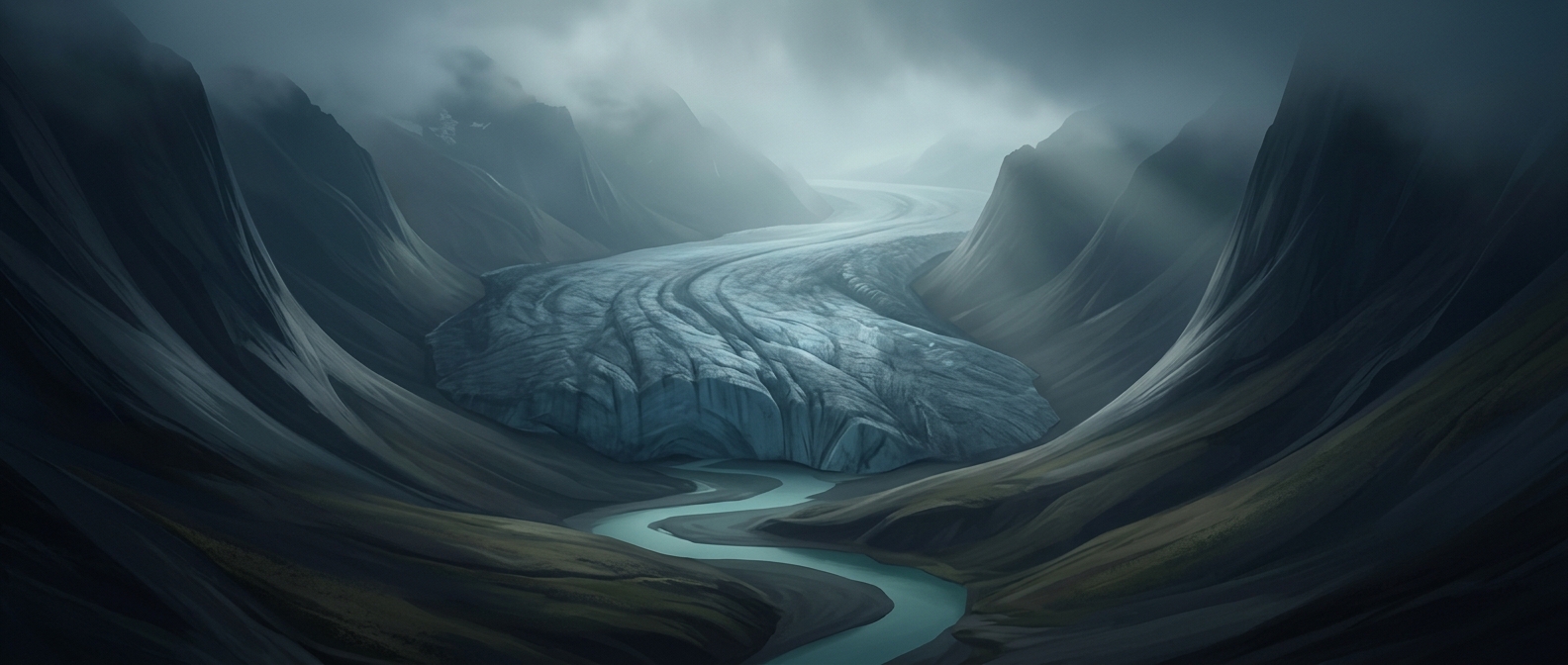
An ice sheet is a vast, long-lived mass of glacial ice covering land. Antarctica’s and Greenland’s ice sheets contain a large share of Earth’s freshwater, but their scale can make the word “reserve” misleading: most of that water is frozen in place, far from many people and their water systems.
Turning Ice into Tap Water Takes More Than Melting
To use ice-sheet water, people would have to melt it, move it, and make it available where demand exists. That means energy for melting and pumping, infrastructure to transport water over long distances, and systems to store and distribute it. Unlike a reservoir beside a city, an ice sheet is not a supply that can simply be opened when taps run low.
The location matters as much as the quantity. Communities depend on water they can reach through rivers, lakes, groundwater, or managed reservoirs. A huge store in a remote, frozen region does not automatically replenish a dry river basin or a depleted well elsewhere.
Ice Sheets Also Shape the Future of Coasts
There is another complication: ice sheets are part of the climate system, not just potential water tanks. When land-based ice melts and flows into the ocean, it adds water to the sea and contributes to sea-level rise. The same melting that might make some freshwater accessible can therefore worsen flooding risks for coastal communities.
A planet can hold immense freshwater reserves while still facing local water shortages. The practical question is not only how much water exists, but whether it can be reached and delivered without creating larger costs elsewhere.