How glacier ice filters sunlight
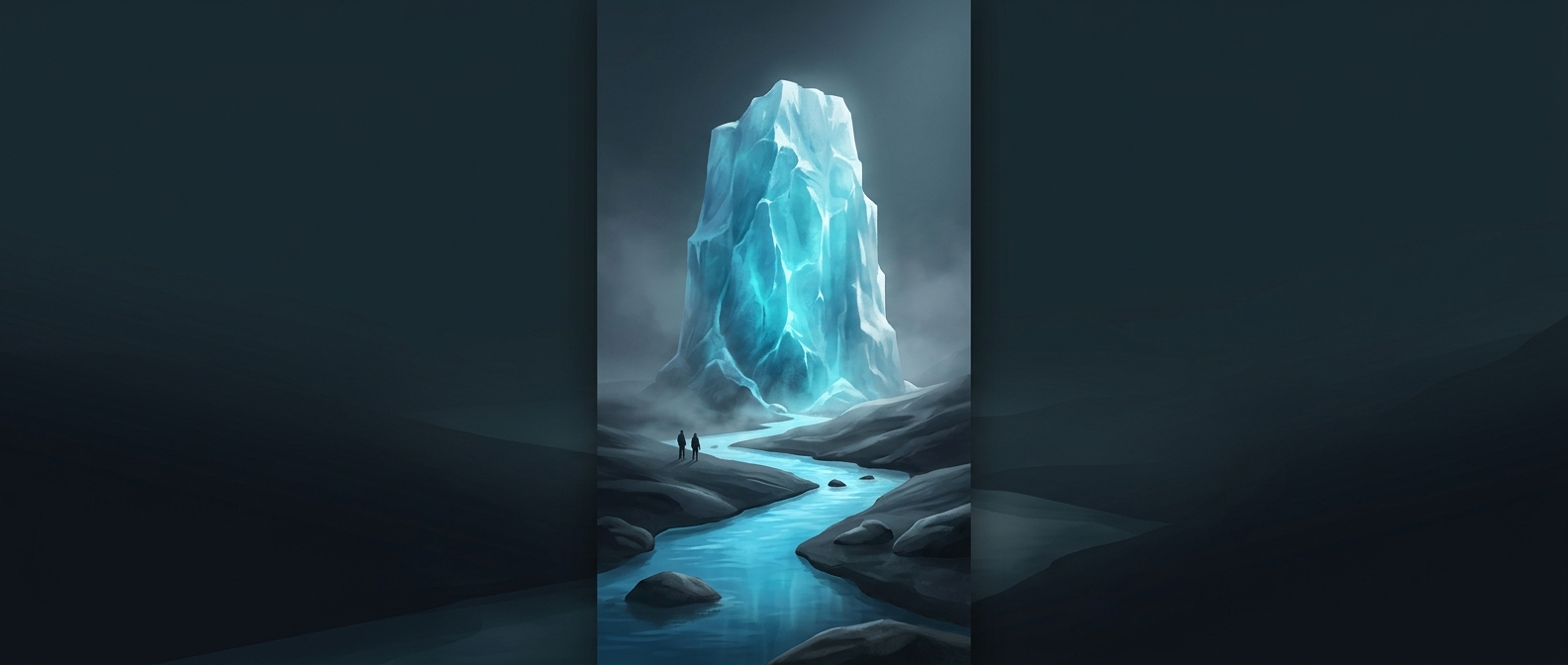
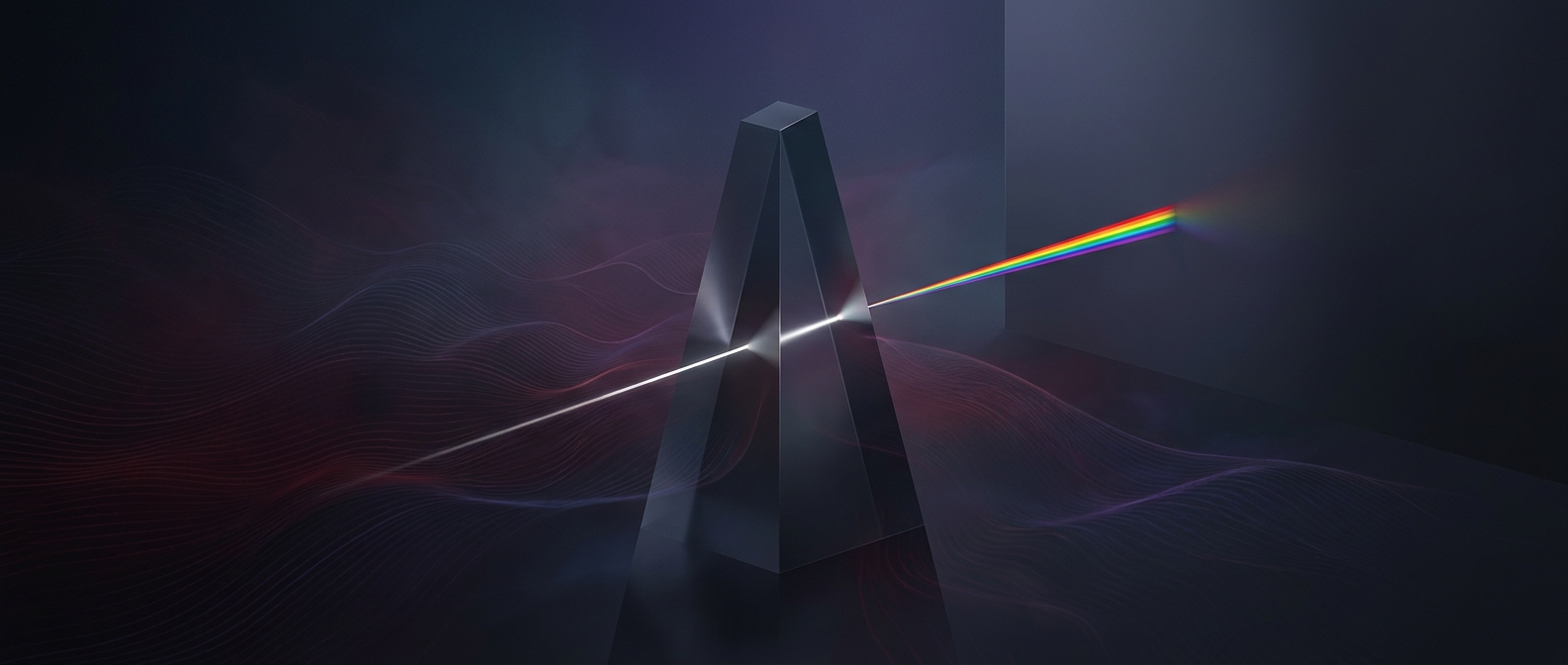
Sunlight contains a mixture of colors. When it enters dense glacier ice, it may travel through a long stretch of ice before emerging. Along that path, the ice absorbs some wavelengths more readily than others—especially red light. Blue light is absorbed less, so a larger share can make it back out to an observer. The result is a blue glow that appears to come from within the ice.
Why density changes the color
A glacier forms as layers of snow are buried and compressed. Much of the air between the snow grains is squeezed out, leaving clearer, denser ice. With fewer bubbles to interrupt the light, it can travel farther through the ice, giving the selective absorption of red wavelengths time to become noticeable. A thin piece of ordinary ice may look clear because light crosses it too quickly for the effect to stand out.
Bubbles change the route. They scatter light in many directions, sending it back out before it has traveled far through the ice. Because the colors are then mixed rather than strongly filtered, bubbly ice tends to look white or pale.
Blue from within, not from above
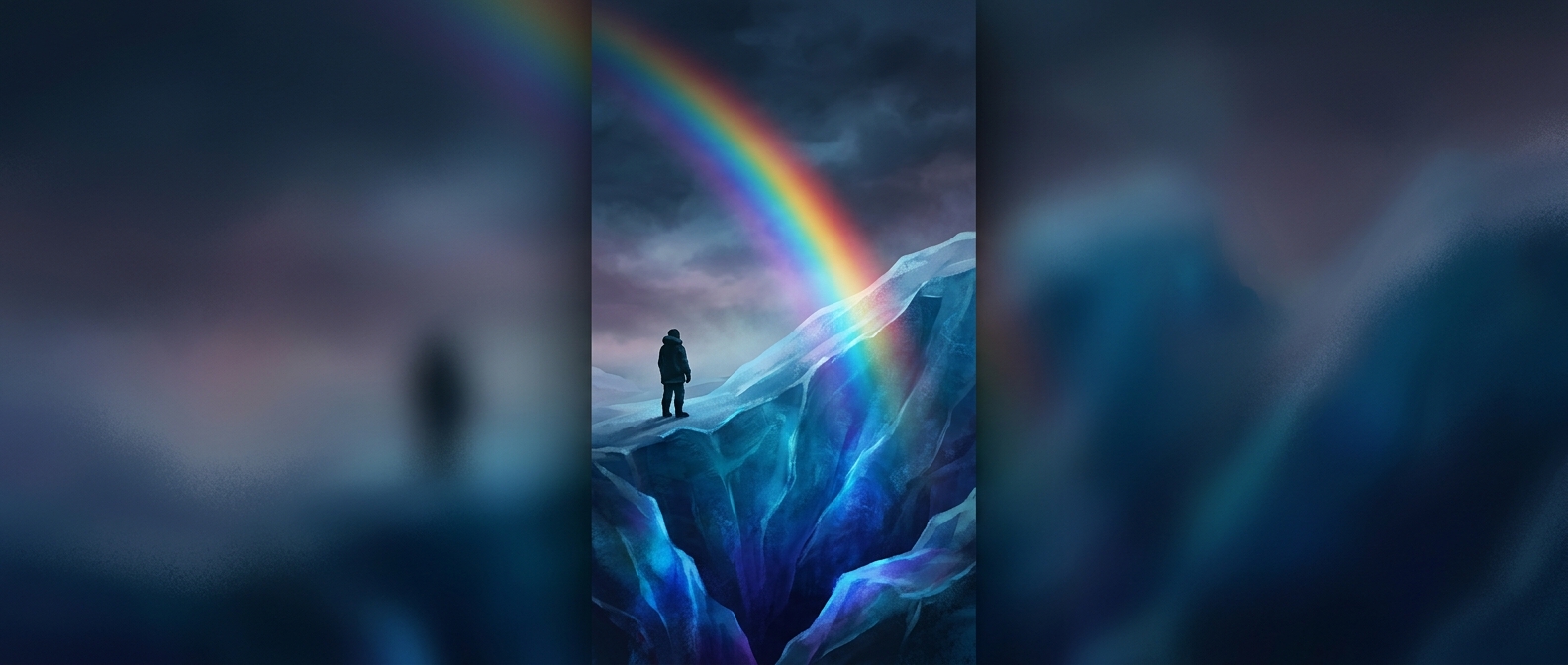
The visible blue is not merely a reflection of the sky. The ice itself filters the sunlight passing through it, and the color becomes strongest where the light has a substantial distance to travel through clear ice. A deep crevasse or the face of a glacier can therefore reveal blue within the ice, while nearby frothy, bubble-filled sections look much lighter.