History
Discover facts about history. Small discoveries that change the way you see familiar things.
History
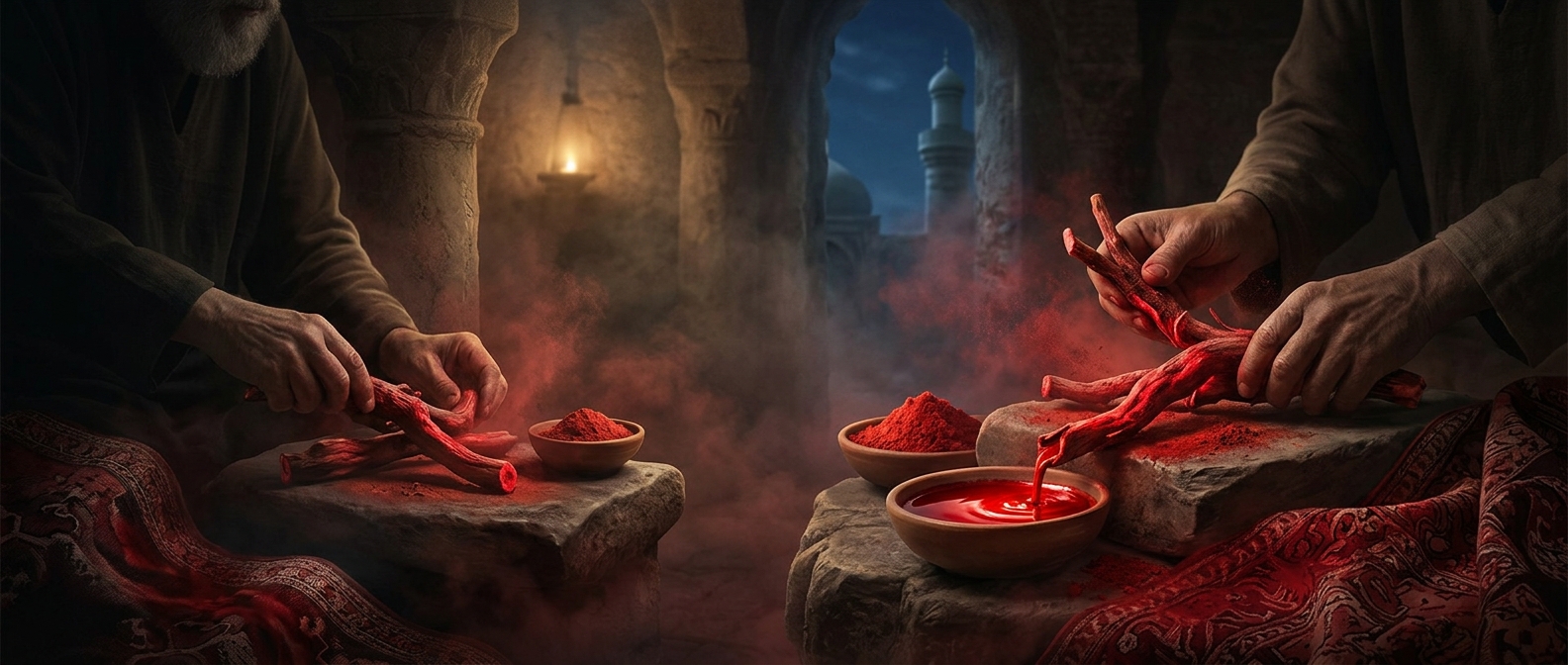
Ancient Middle Eastern dyers boiled plant roots to create a stable deep-red dye
Dyers dried plant roots, then boiled them in vats to extract a deep red pigment that held its color. The preparation took extra time, but produced a dye that…
Discover more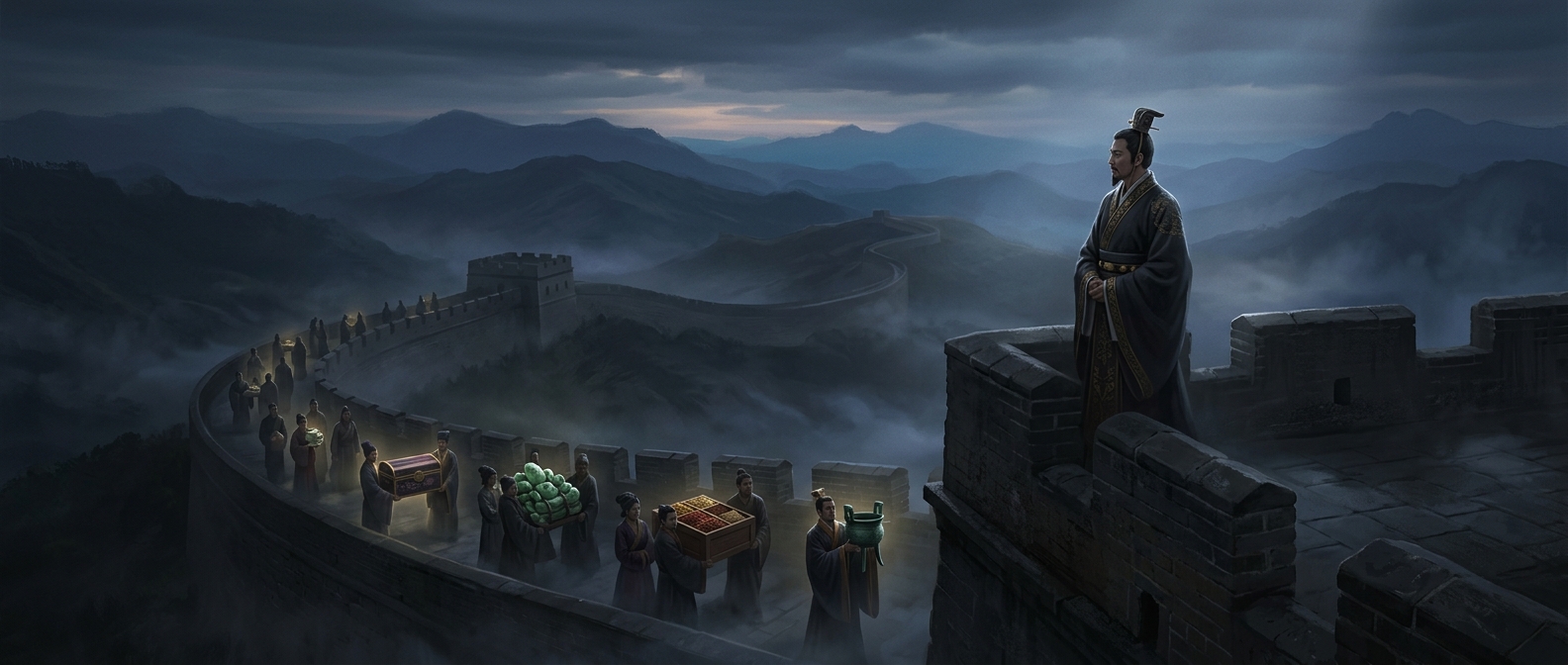
The Han dynasty called silk and grain paid to nomadic raiders “gracious gifts”
The Han court sent silk and grain to armed nomadic horse archers, but called the payments “gracious gifts.” On paper, it was diplomacy; the recipients had…
Discover more
A pope helped crown the emperor who later deposed him
John XII crowned Otto I emperor in 962, then fell into conflict with the ruler whose authority he had helped establish. A synod backed by Otto deposed John…
Discover more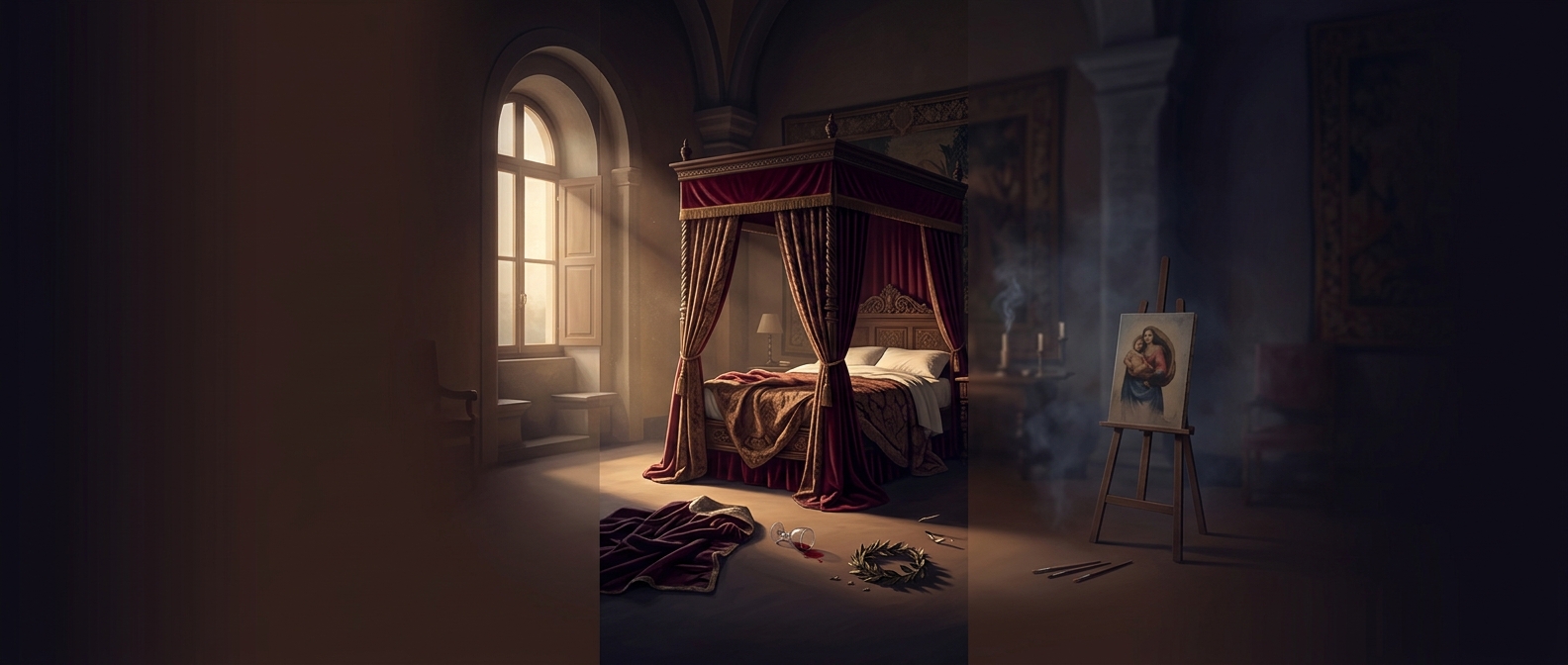
Raphael's fatal fever became a story about his private life
Giorgio Vasari later claimed the painter concealed sexual excess from his doctors and received harmful treatment. Raphael did die after a fever in 1520, but…
Discover more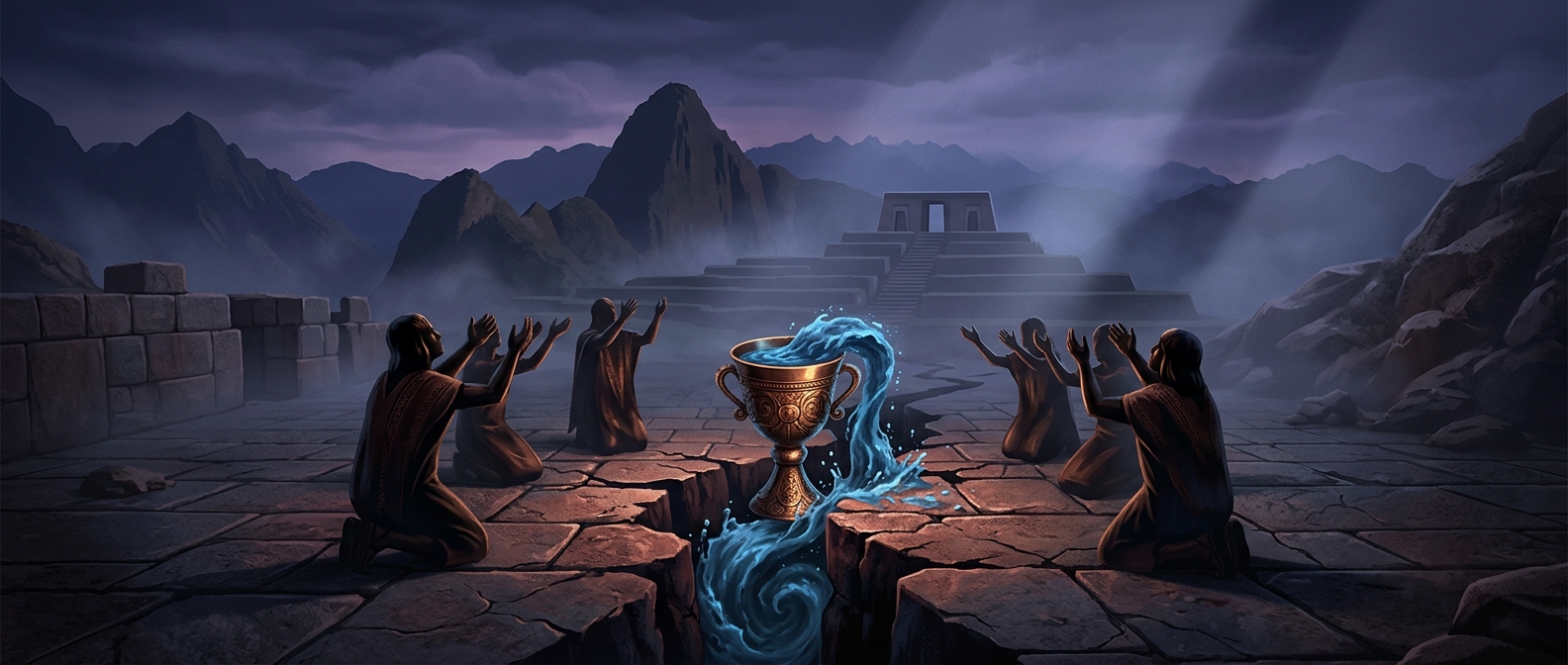
The Incas poured a drink for the earth
Ceremonial vessels called pacchas let offerings of corn beer flow into the ground. An Inca fish-shaped example sends the liquid out through its mouth. The…
Discover more
Cambridge grew from scholars leaving Oxford
In 1209, conflict between Oxford townspeople and scholars helped send academics elsewhere, including Cambridge. A university was a community of teachers and…
Discover more STACKY FOR IPHONE
A bigger world.
One discovery
at a time.
Keep discovering with Stacky. Interesting facts in an app that is always within reach.
The bizarre pre-workout of ancient Olympians
Ancient Olympians reportedly chewed raw sheep testicles before competing, seeking a testosterone boost.
Discover more
A unit mismatch sent NASA’s Mars orbiter into the atmosphere
Mars Climate Orbiter's ground software supplied thruster impulse data in pound-force seconds, while the navigation system expected newton-seconds. The…
Discover more
Descartes’ famous retreat was a heated room, not an oven
His account describes withdrawing into a stove-heated space in 1619, free from distractions and ordinary company. Older translations helped turn that setting…
Discover more
Bloodhounds utterly failed to catch a killer
Police hoped celebrated tracking dogs could turn the hunt for a notorious London slasher into a scent trail. Instead, the dogs got distracted, bit a police…
Discover more
Vaisheshika thinkers inferred atoms without experiments
Vaisheshika philosophers reasoned that matter must be built from tiny, indivisible particles. Without microscopes or experiments, they made atoms part of a…
Discover more
Why Aztecs offered children's tears to the rain god
They believed children’s tears could bring rain from Tlaloc, their rain god, and that more tears meant more abundant rain. That belief made a child’s…
Discover more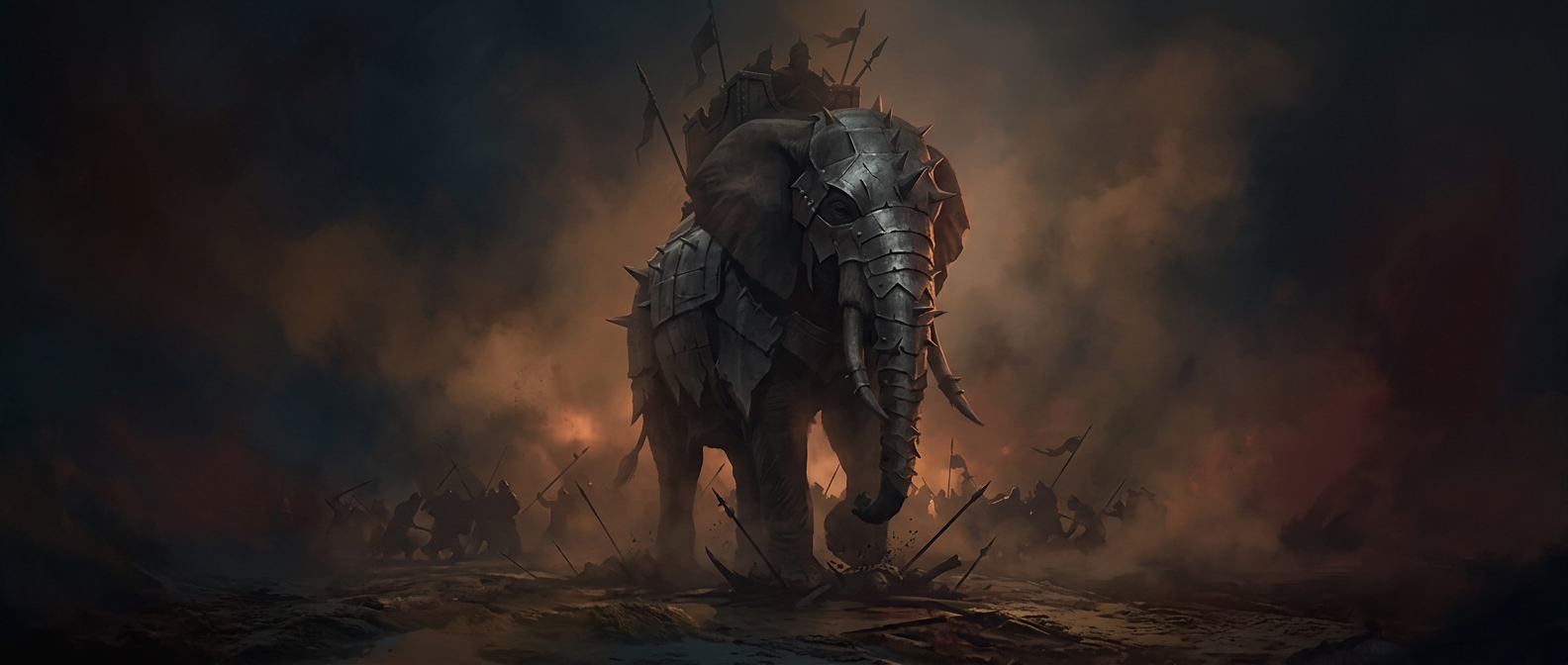
Medieval armies armored elephants to crush infantry
The armor and weapons were meant to do more than protect the elephants: they made each animal a moving shock weapon, built to crush infantry and send horses…
Discover more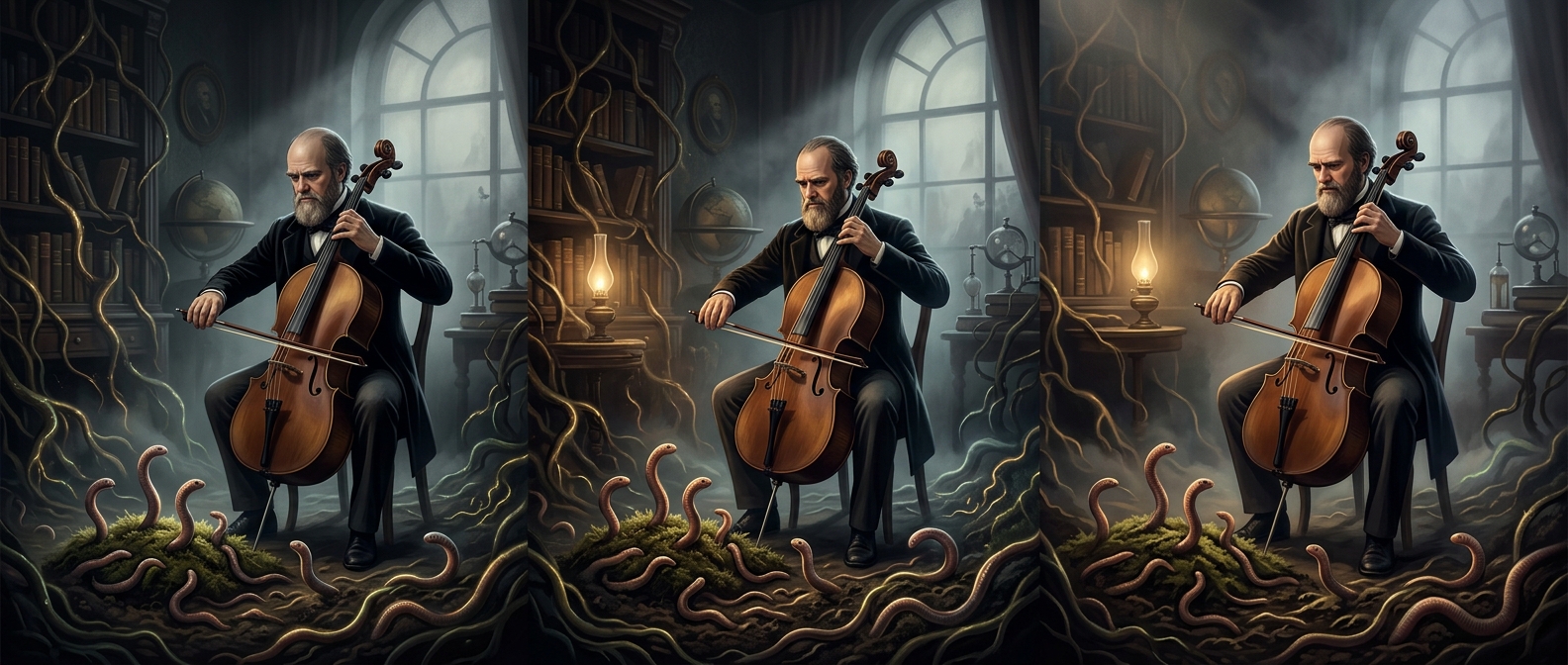
Darwin blasted a bassoon at worms to test their hearing
Darwin played a bassoon loudly at earthworms on a wooden table to test whether they could hear. They gave him no sign that they could, so he concluded they…
Discover more
Early clocks told time with bell strikes
Before clock faces became common, some clocks told time by striking a bell. You had to count the gongs: timekeeping with no display, just a test of whether…
Discover more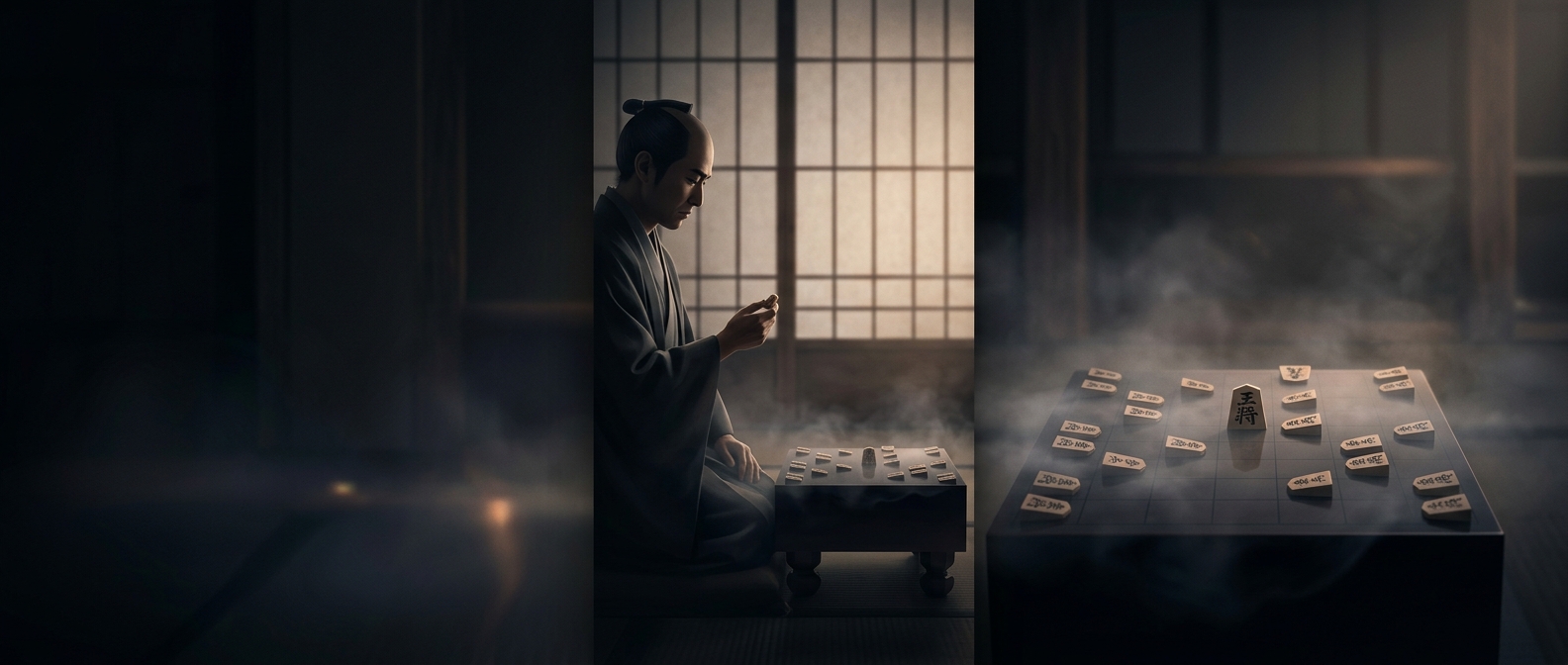
Shogi lets captured pieces attack their former owners
In Shogi, capture is less an exit than a change of sides: the new owner can drop a captured piece back onto the board, where it may attack the player it once…
Discover more
70,000 rubber seeds helped move an industry across the world
Henry Wickham shipped Amazonian rubber seeds to Britain in 1876. Fewer than 2,500 germinated at Kew, but seedlings sent onward helped establish Asian…
Discover more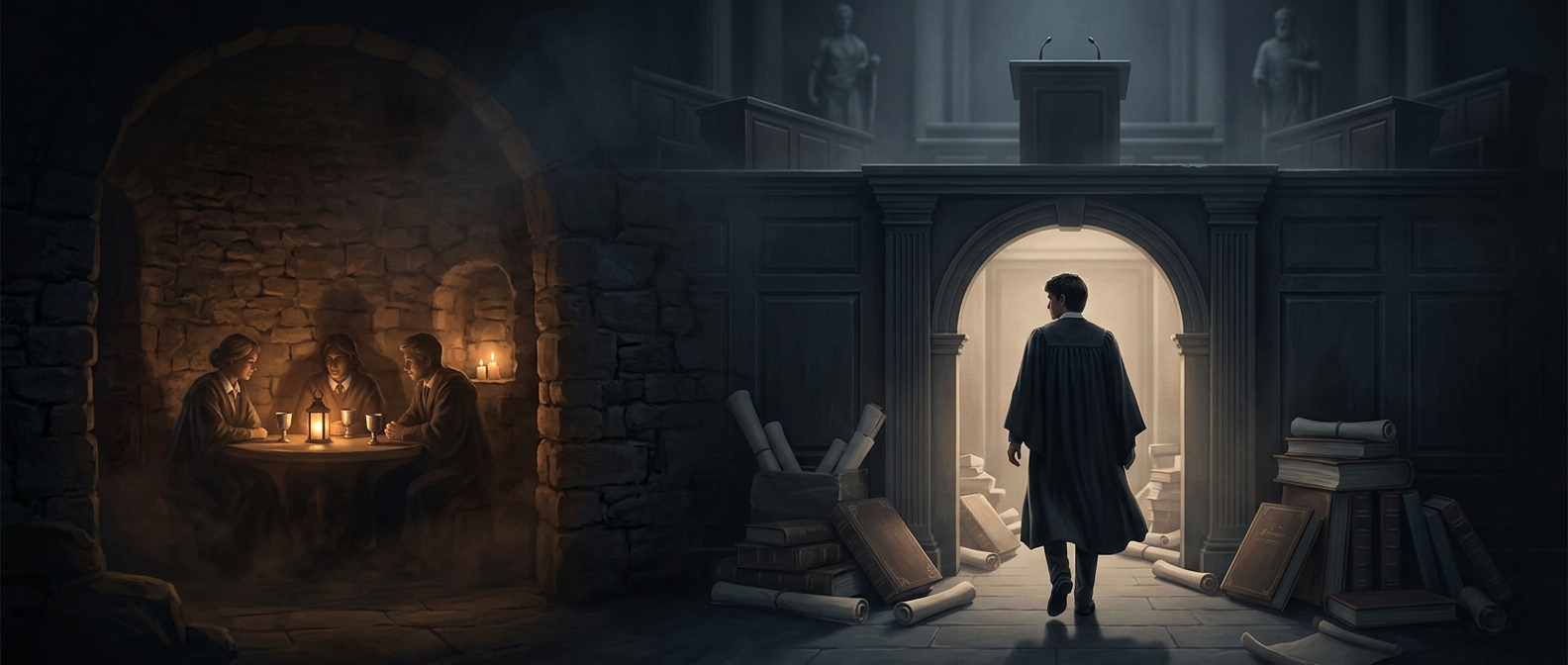
America's first Greek-letter society met to discuss forbidden topics
Phi Beta Kappa began in 1776 at a Williamsburg tavern. Its members met privately to debate questions beyond a tightly controlled college curriculum, including…
Discover more
The number that measures your distance from Erdős
An Erdős number counts how many coauthorship links separate a mathematician from Paul Erdős: coauthors of Erdős have a number of 1, their coauthors have 2,…
Discover more
Turmeric was domesticated in ancient India despite staining everything yellow
Turmeric’s yellow pigment clung to hands, tools, work surfaces, and clothes during processing. Cultivating it meant accepting a crop that could leave its mark…
Discover more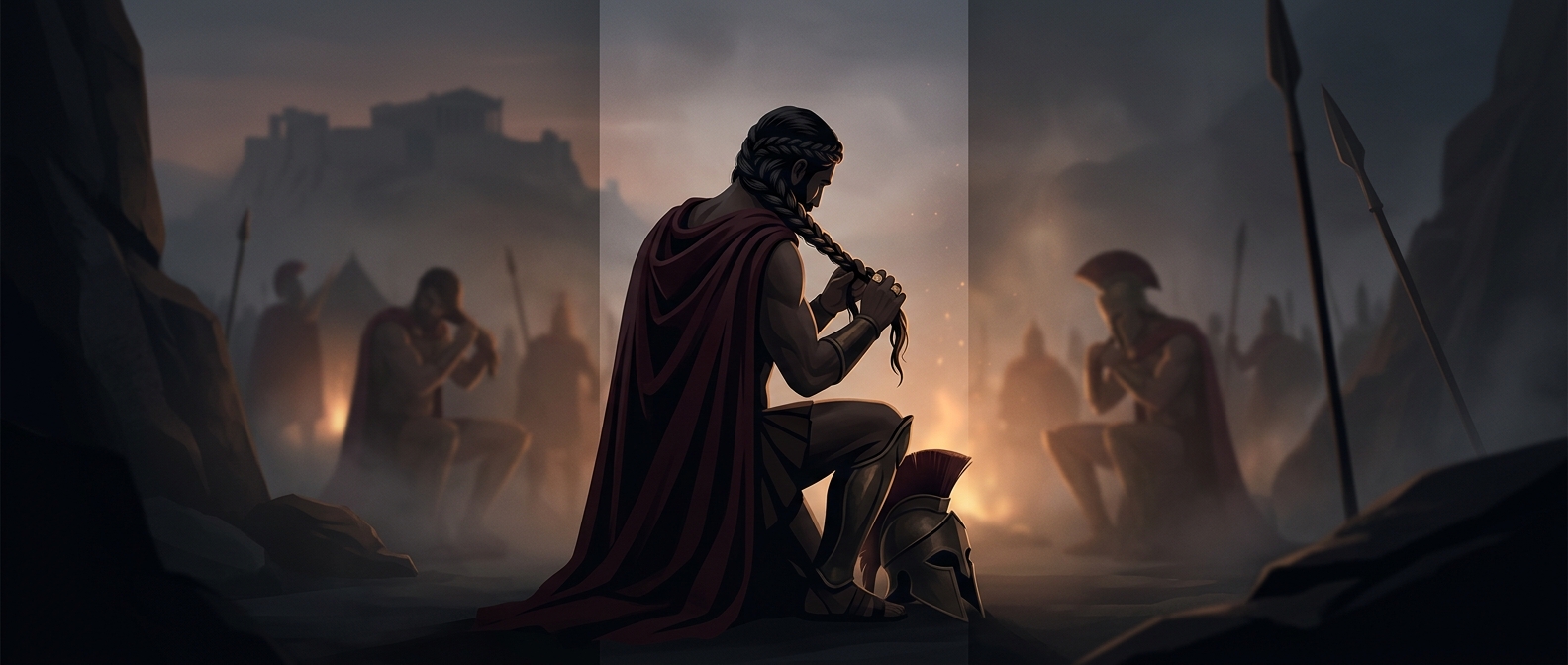
The Spartans combed their hair before facing an army
Herodotus recounts a Persian scout seeing Spartans exercising and combing their long hair before Thermopylae. To an observer expecting panic, the calm…
Discover more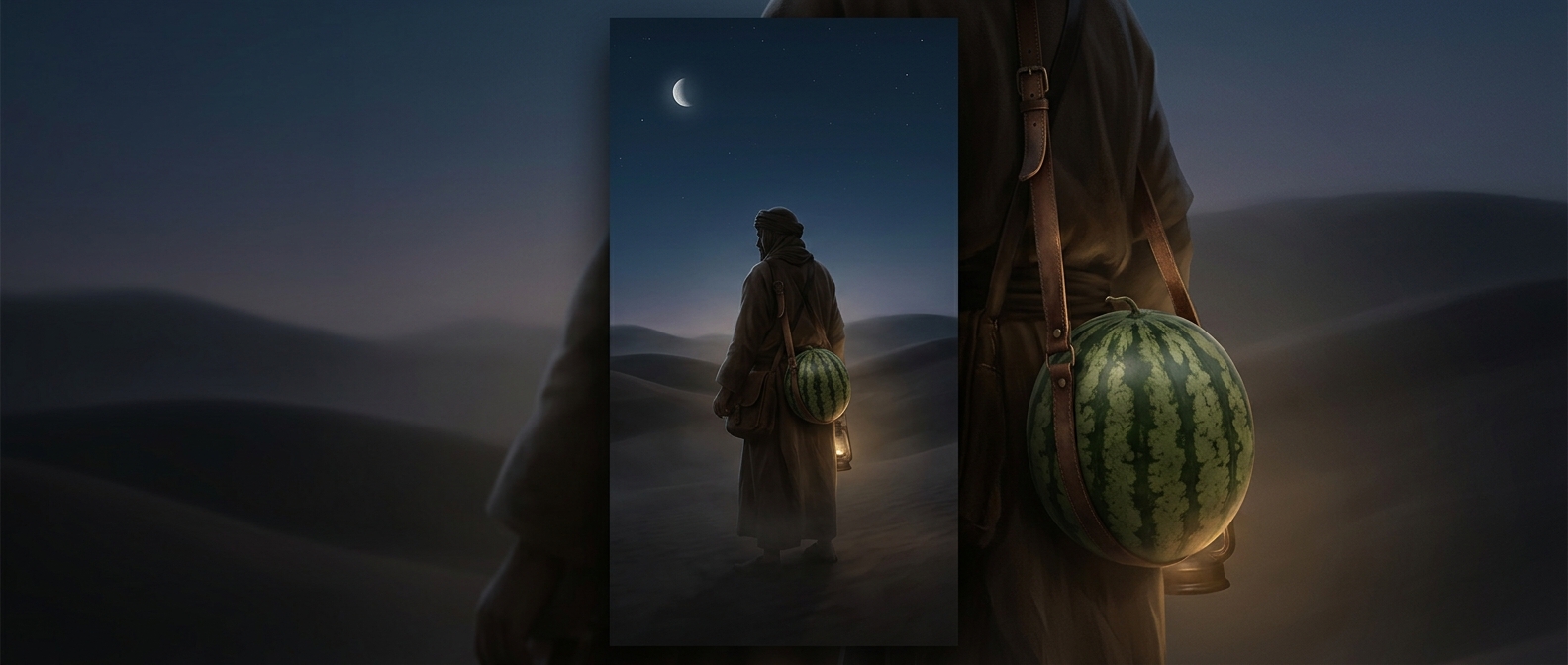
Watermelons once served as edible canteens
Early watermelons were harvested for their high water content, making them a portable source of hydration on dry treks.
Discover more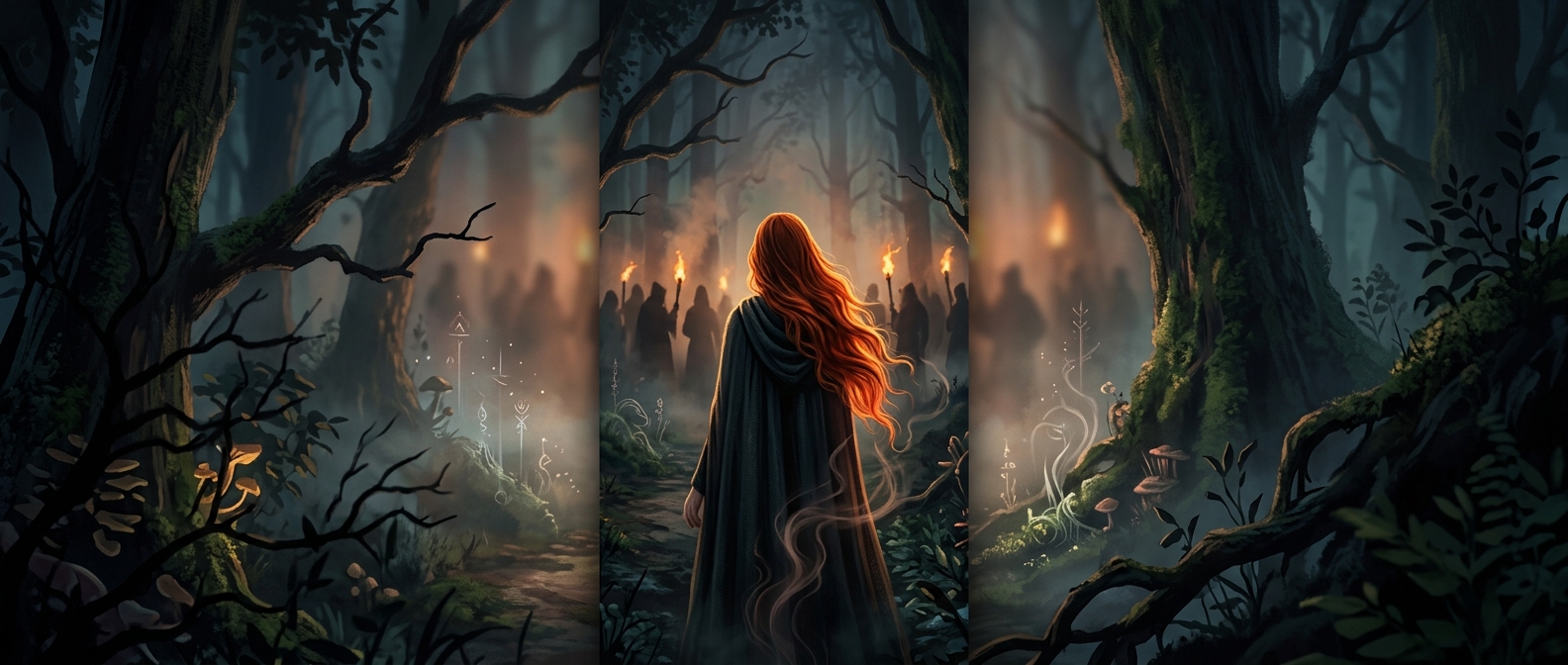
Red hair has been used to cast both villains and heroes
European imagery has attached contradictory roles to redheads, from treachery and witchcraft to individuality and rebellious charm. Museum displays trace…
Discover more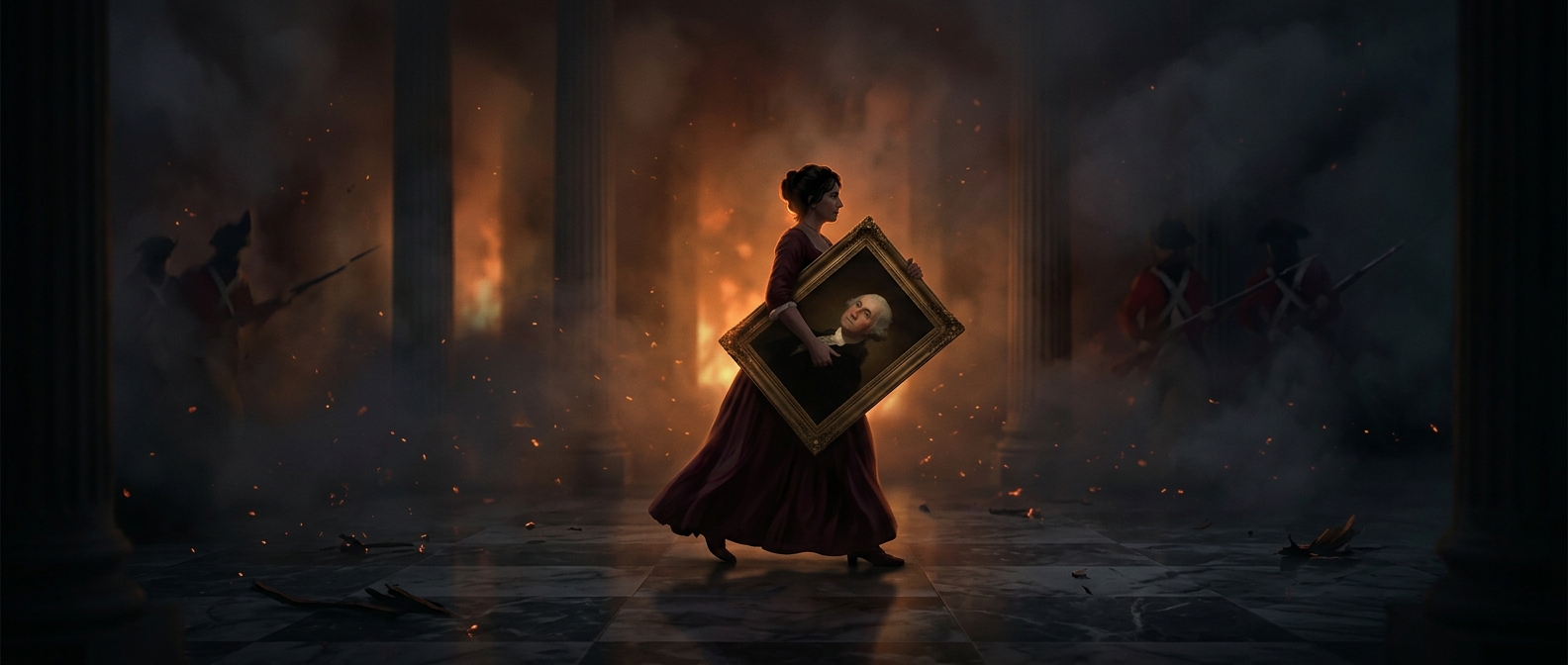
Saving Washington's portrait in 1814 took more than one person
As British troops approached, Dolley Madison insisted that the painting leave the President's House. Staff removed it, and Jacob Barker and Robert De Peyster…
Discover more