A capture creates a reserve, not a disappearance
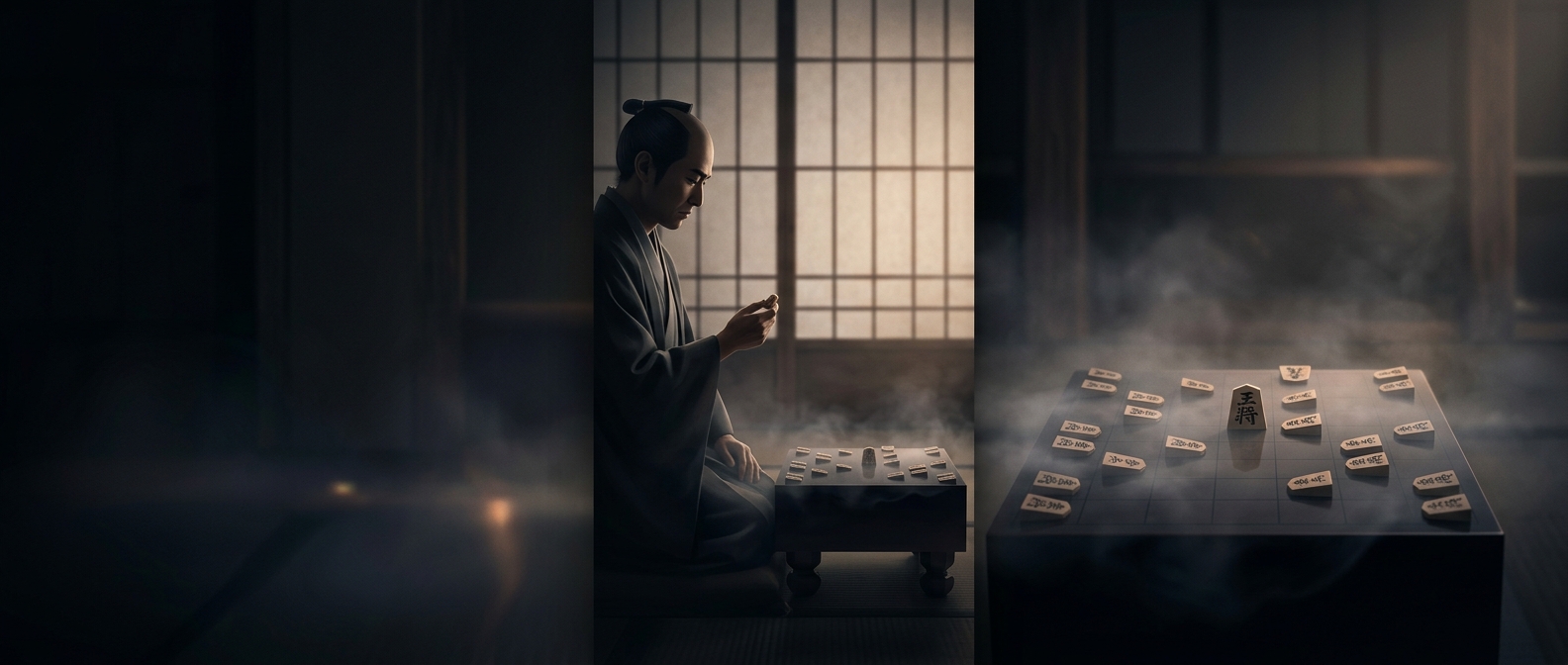
In shogi, the Japanese game often called Japanese chess, a captured piece changes ownership. The capturing player keeps it in hand, off the board, and may later make a turn by placing it on an empty square instead of moving a piece already in play. This is called a drop.
The piece returns to its basic, unpromoted form—even if it had been promoted before capture. Once dropped, it belongs to its new owner and moves according to that player’s side of the board. A rook or bishop taken from an opponent can therefore reappear behind the opponent’s lines, aimed back at the army it once supported.
Why the rule changes the game
In many chess-like games, winning a piece permanently reduces the opponent’s force. In shogi, a capture also gives the capturer a new option: a piece in hand can be deployed wherever it can legally move. That makes open squares dangerous. A defender may have to guard not only against pieces already on the board, but also against a sudden drop into a vulnerable part of the position.
Drops have limits. For example, a pawn cannot be dropped on a file that already contains the player’s unpromoted pawn, and a pawn cannot be dropped to give immediate checkmate. These restrictions curb the most oppressive uses without removing the central tension: capturing a piece may strengthen the player who took it. A successful attack can thus furnish the opponent’s next threat.