History
Discover facts about history. Small discoveries that change the way you see familiar things.
History

Why warriors wore iron masks with fake mustaches
The riveted iron mustaches turned protective masks into intimidating faces, unnerving opponents while shielding the wearer.
Discover more
Why wealthy families gave babies expensive spoons
The spoon did little for a baby who couldn’t feed itself; its job was to tell everyone else the child was born into privilege.
Discover more
An early account says Inca people covered their mouths at rainbows
Garcilaso de la Vega described a belief that leaving the mouth open before a rainbow could damage the teeth. The account records a particular fear, rather…
Discover more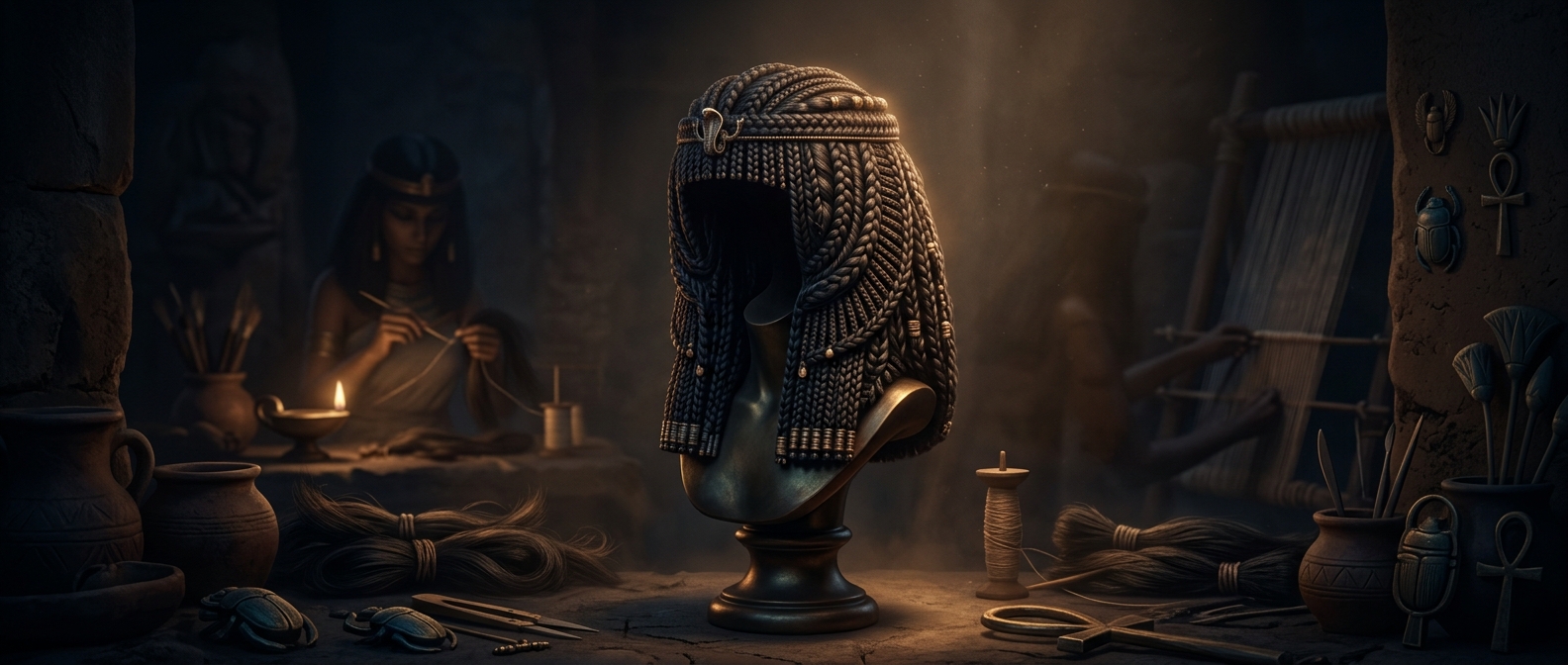
Why ancient Egyptians wore elaborate wigs
Shaving helped people manage their hair in the desert heat; elaborate wigs made from human hair and plant fibers covered their shaved heads.
Discover more
The Inca buried decorated guinea pigs beneath buildings
At Tambo Viejo in Peru, archaeologists found sacrificed guinea pigs adorned with colorful strings and ornaments. The remains connect written accounts of…
Discover more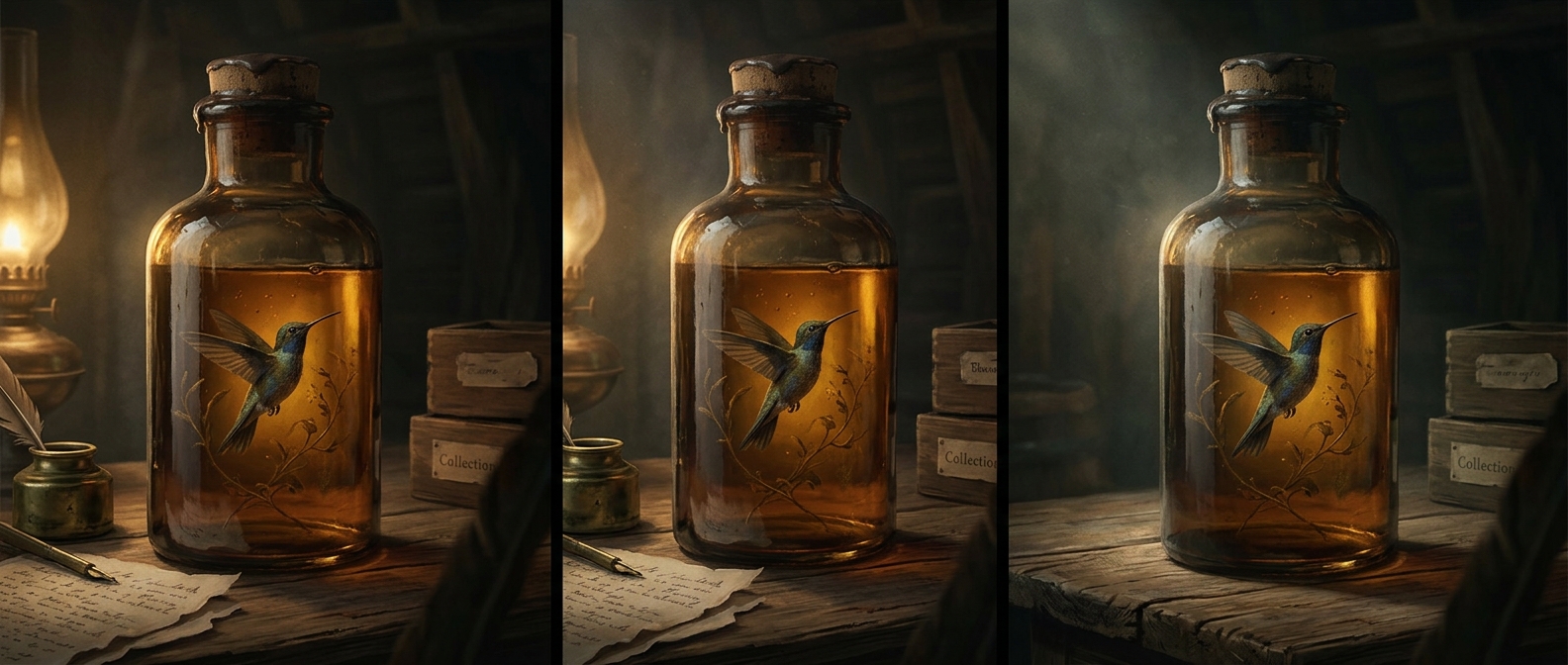
Why explorers preserved animals in rum
With formal preservatives unavailable on isolated ships, explorers submerged rare lizards and snakes in jars of rum to slow decomposition.
Discover more STACKY FOR IPHONE
A bigger world.
One discovery
at a time.
Keep discovering with Stacky. Interesting facts in an app that is always within reach.
Peter the Great made nobles take the executioner's role
Diplomat Johann Georg Korb described nobles being ordered to behead condemned Streltsy rebels in 1698. In his account, some struggled with the unfamiliar task…
Discover more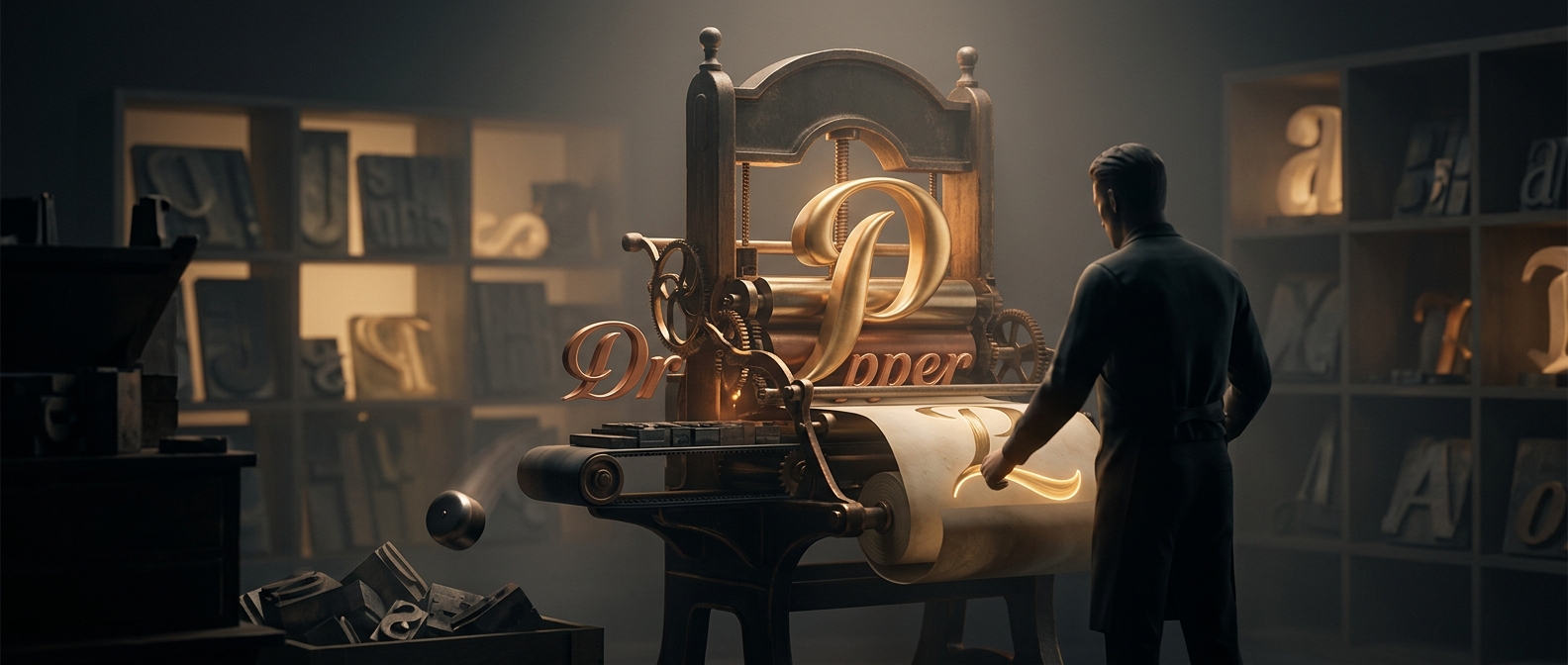
Why Dr Pepper lost its period
Dr Pepper dropped the period after “Dr” in the 1950s because it looked awkward in the company's new typeface.
Discover more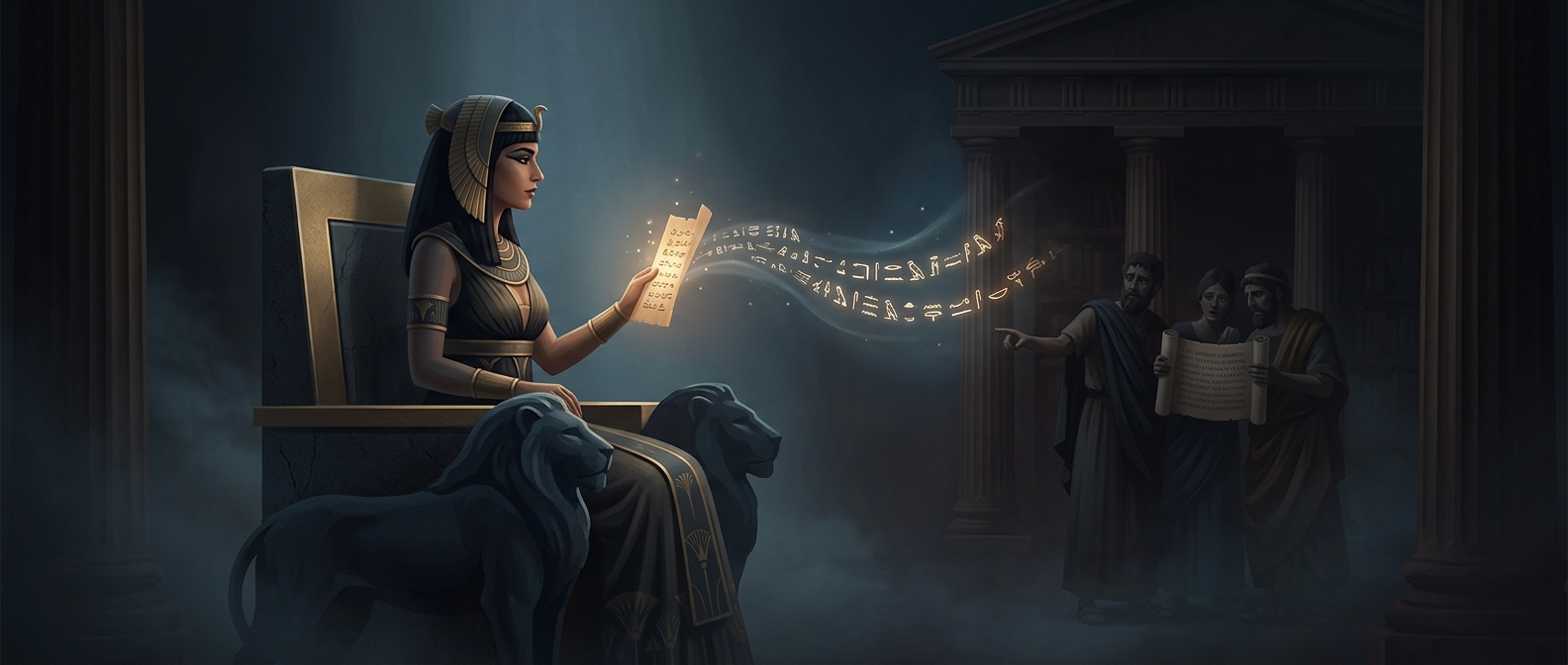
Cleopatra impressed an ancient biographer by speaking other peoples' languages
Plutarch described her conversing with visitors from several regions without an interpreter and learning Egyptian, unlike her predecessors in the…
Discover more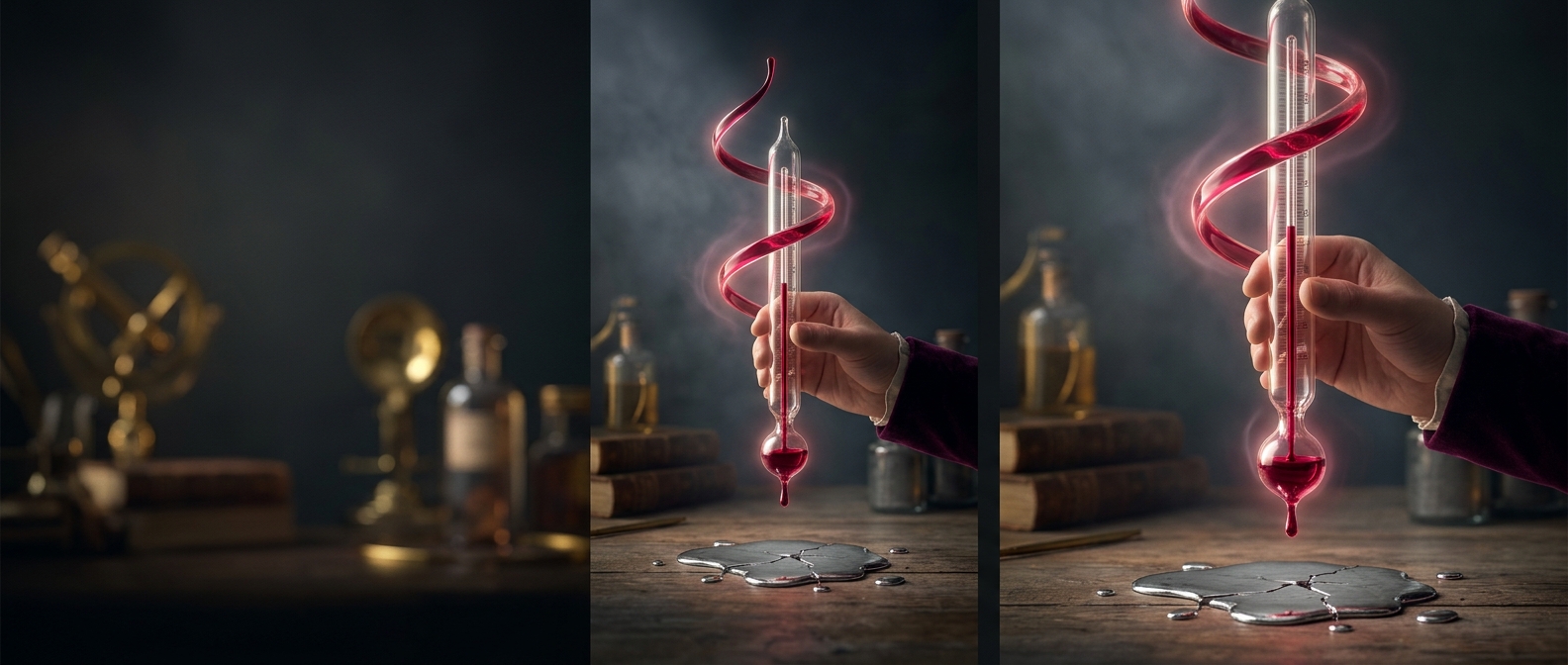
Early thermometers used colored alcohol instead of mercury
As the alcohol warmed, it expanded and rose inside the sealed glass tube, showing the temperature.
Discover more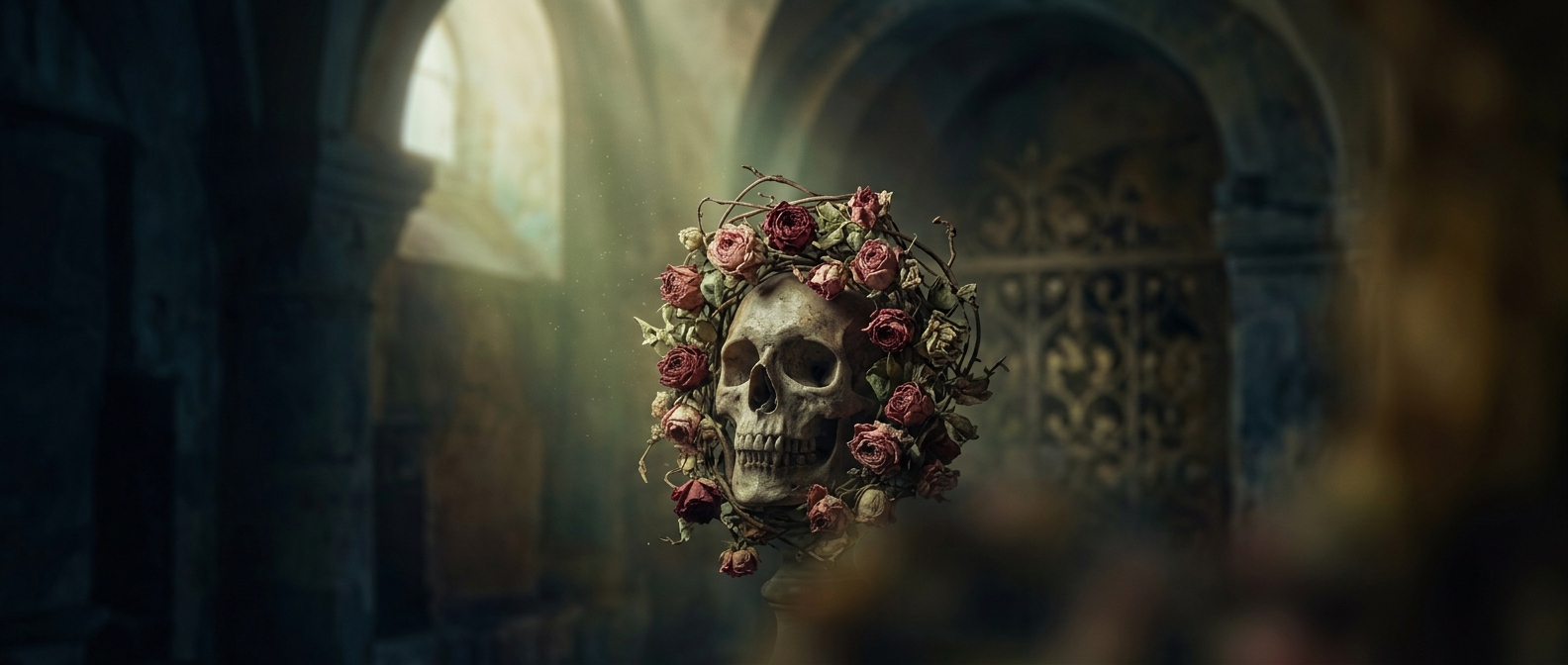
Valentine's saint has a flower-crowned skull
A flower-crowned skull attributed to St. Valentine is displayed at Santa Maria in Cosmedin in Rome. The relic belongs to a tradition of honoring saints…
Discover more
Umbrellas provided sun protection in 11th-century China
These umbrellas had waxed paper stretched over bamboo frames, but their job was to block the sun, not the rain. They were portable shade, not yet the…
Discover more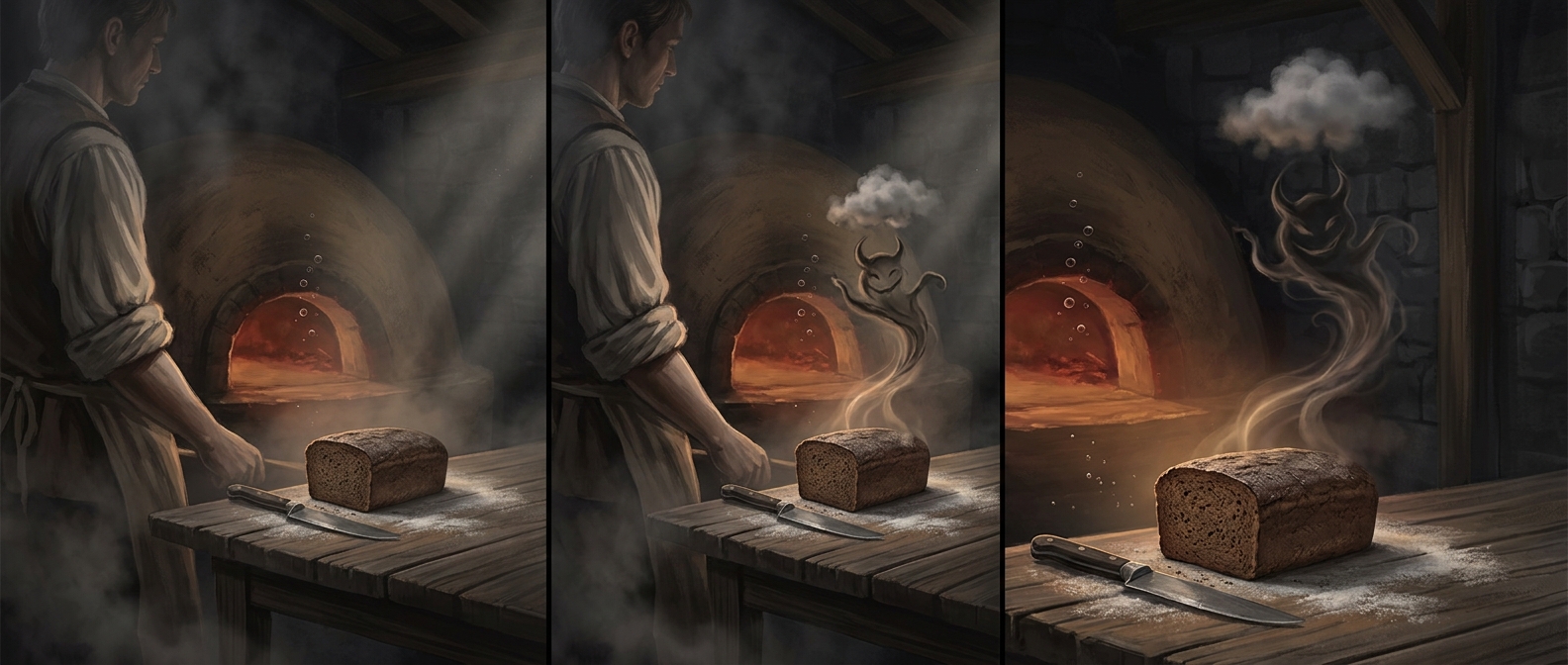
Why pumpernickel has such a rude name
The name is traditionally glossed as “the devil’s fart,” a joke blaming dense rye bread for the digestive trouble it was thought to cause.
Discover more
How notaries built a career around one stamp
A notary’s fee pays for an official check that the signer is who they claim to be. The stamp makes that verification usable on documents beyond the notary’s…
Discover more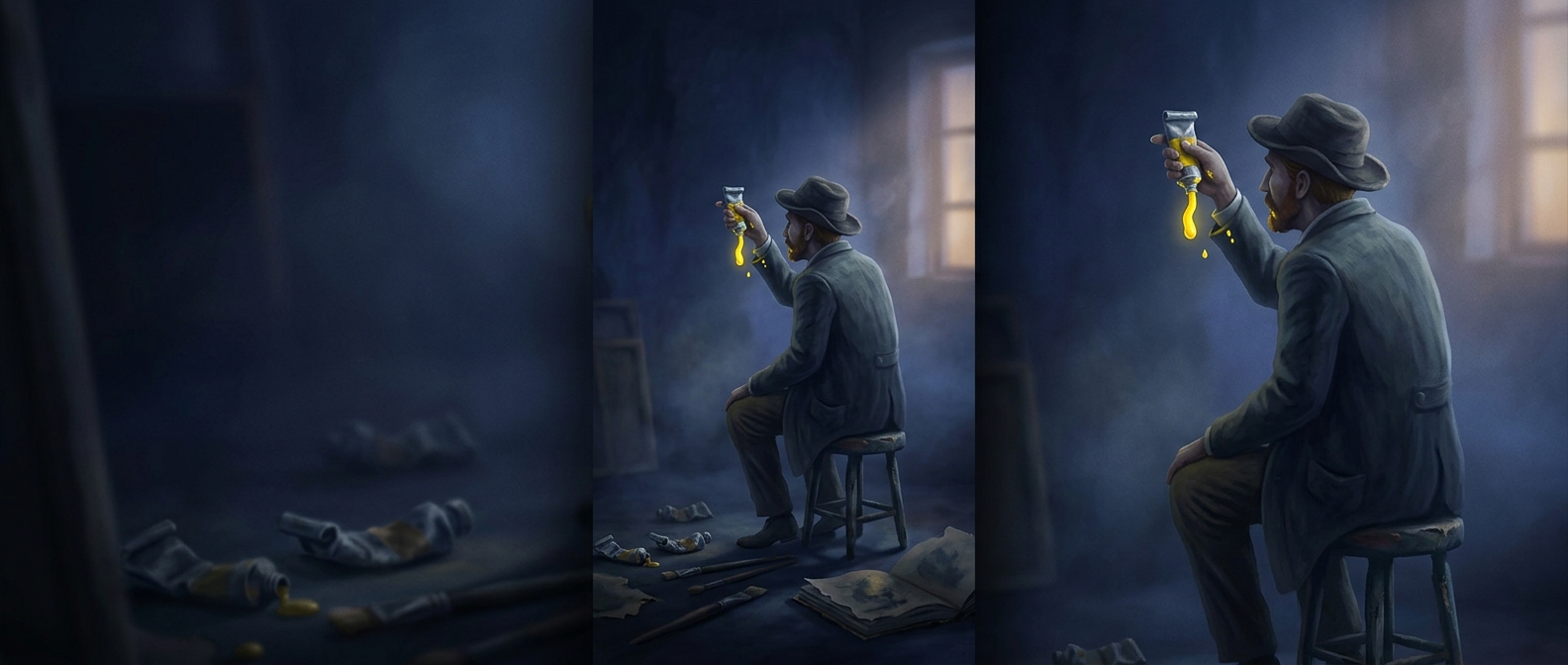
Van Gogh's bright yellow came from a modern pigment
Chrome yellow gave him the strong, opaque color he used so memorably in his paintings. Choosing a pigment was a material decision as well as an artistic one:…
Discover more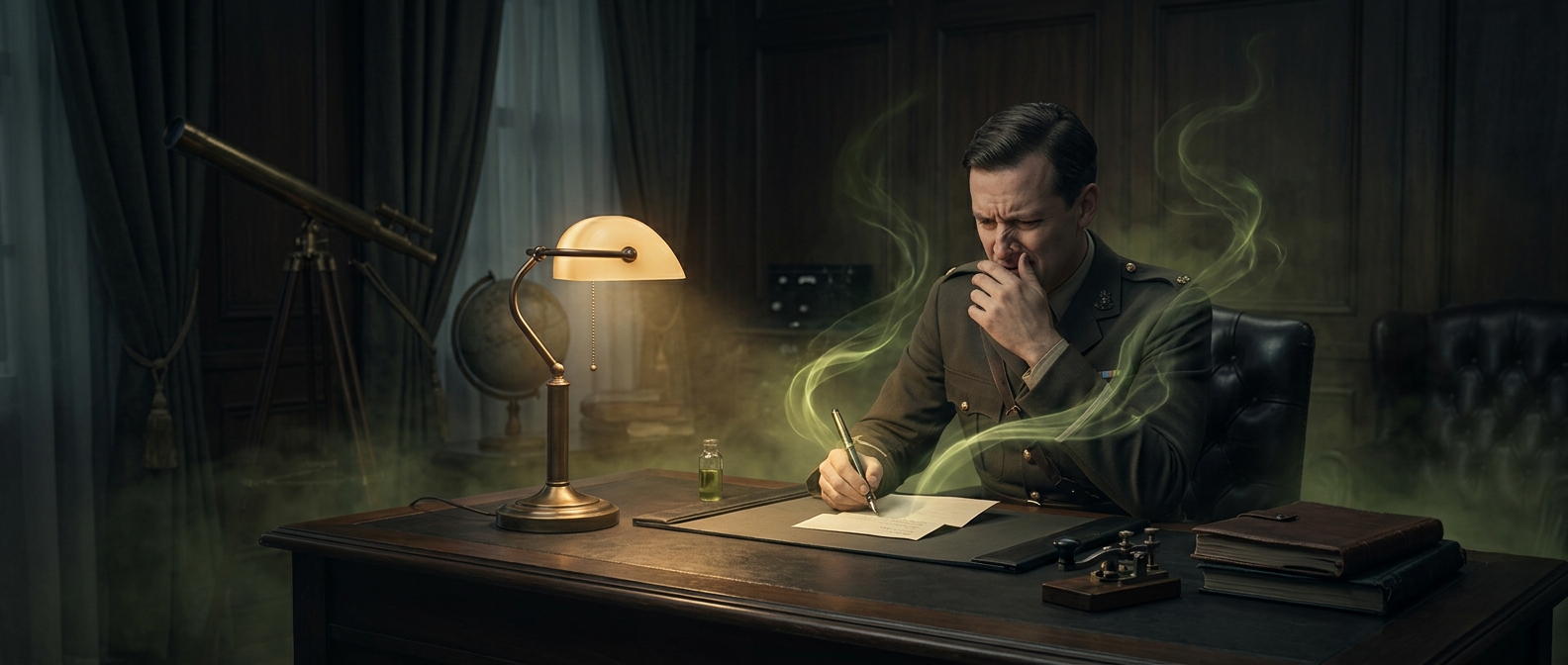
British spies once used semen as invisible ink
The letters passed standard iodine tests, making the ink useful for secret messages. Then the organic matter began to decay—and the secret started to smell.
Discover more
Why “girl” once meant any child
In Middle English, “girl” could mean a child of either sex; its gender-specific meaning came later. The word narrowed over time, while the older meaning faded.
Discover more
How Inuit throat singing turns breath into rhythm
Two women face each other and trade rhythmic, guttural sounds, matching one another until one runs out of breath or bursts into laughter.
Discover more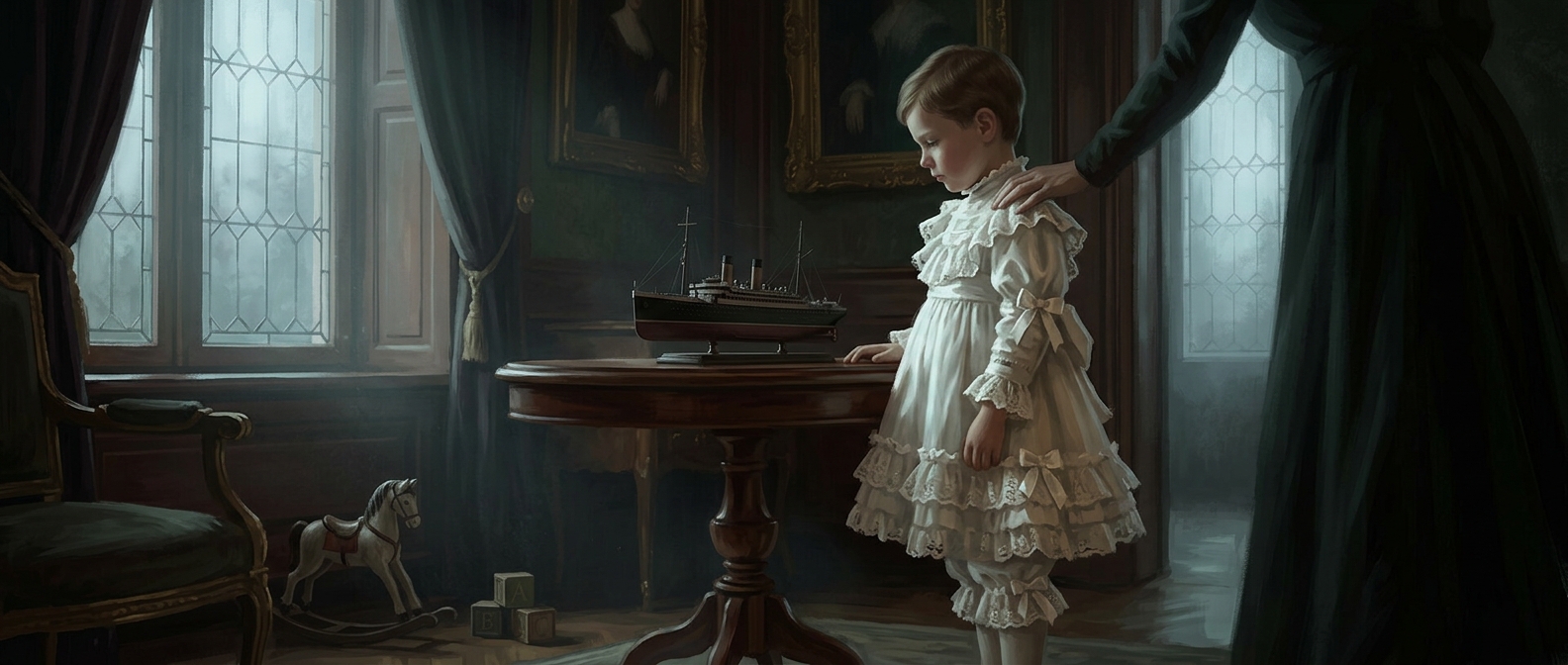
Why young boys once wore dresses—including FDR
Young boys in many European and American families wore dresses before the milestone known as breeching, when they began wearing trousers. Dresses also made…
Discover more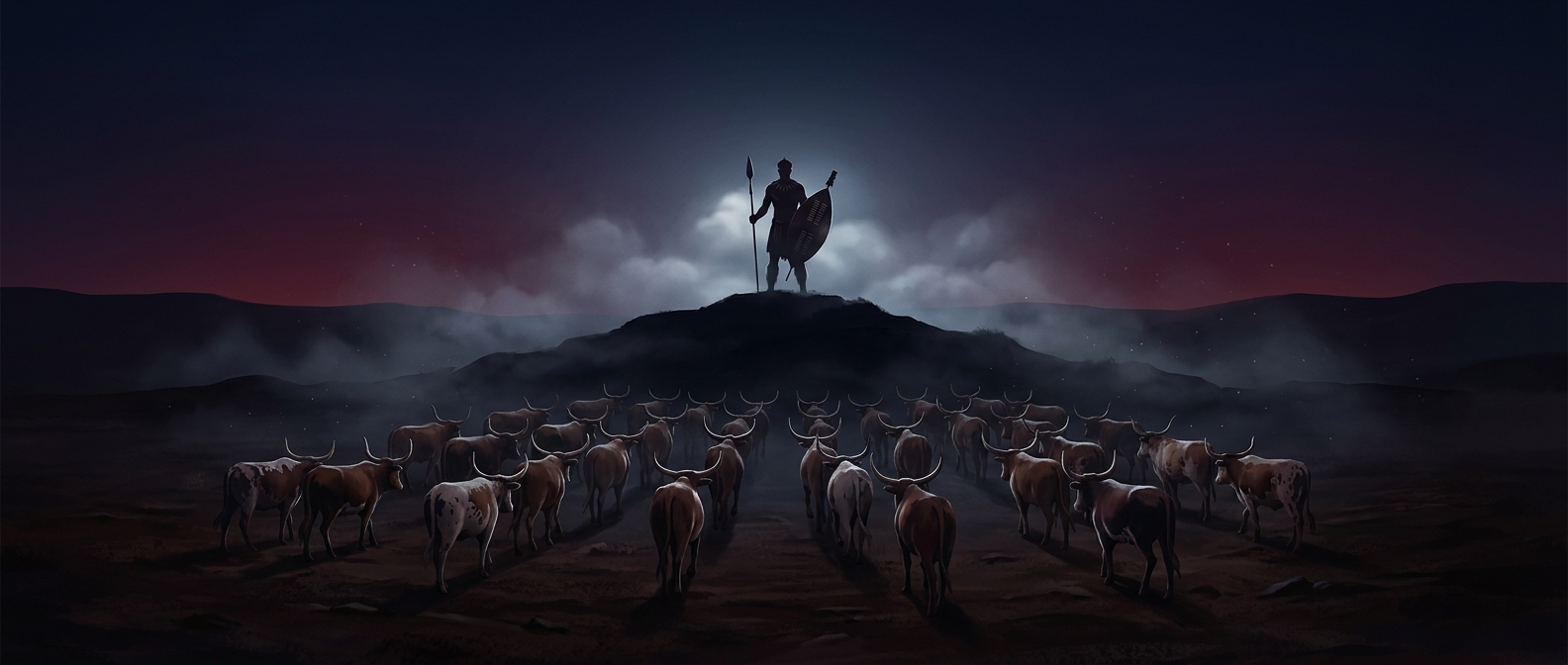
Zulu leaders simply reorganized their society around warfare
They organized unmarried men into regimented, age-based fighting units, reshaping society around military service rather than occasional warfare.
Discover more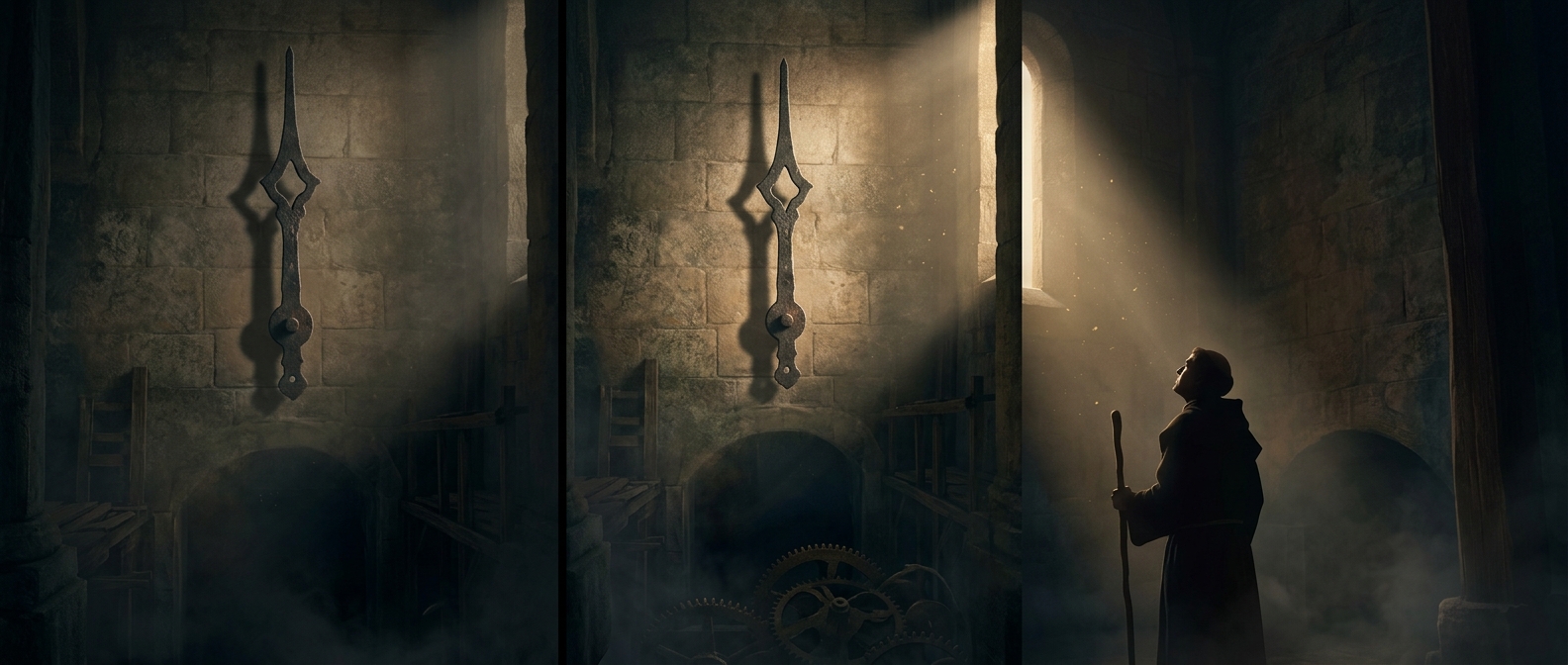
Why early clocks had only one hand
Early clocks had only an hour hand because daily life rarely required minute-by-minute scheduling; sunlight and routine did most of the work. Precision…
Discover more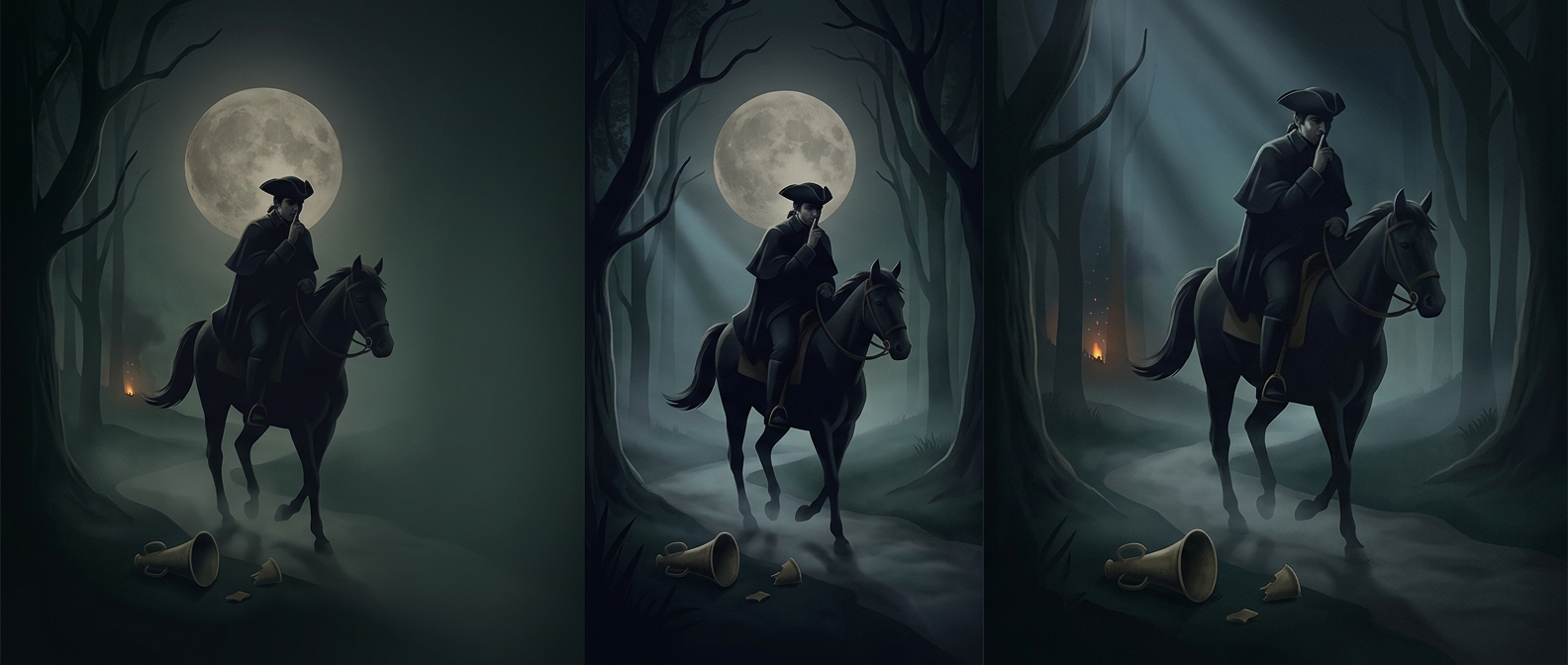
Paul Revere's real warning traveled through a network
Revere's 1775 ride was one part of an alarm system involving other riders and local messengers. The famous poem turns the episode into one man's dramatic…
Discover more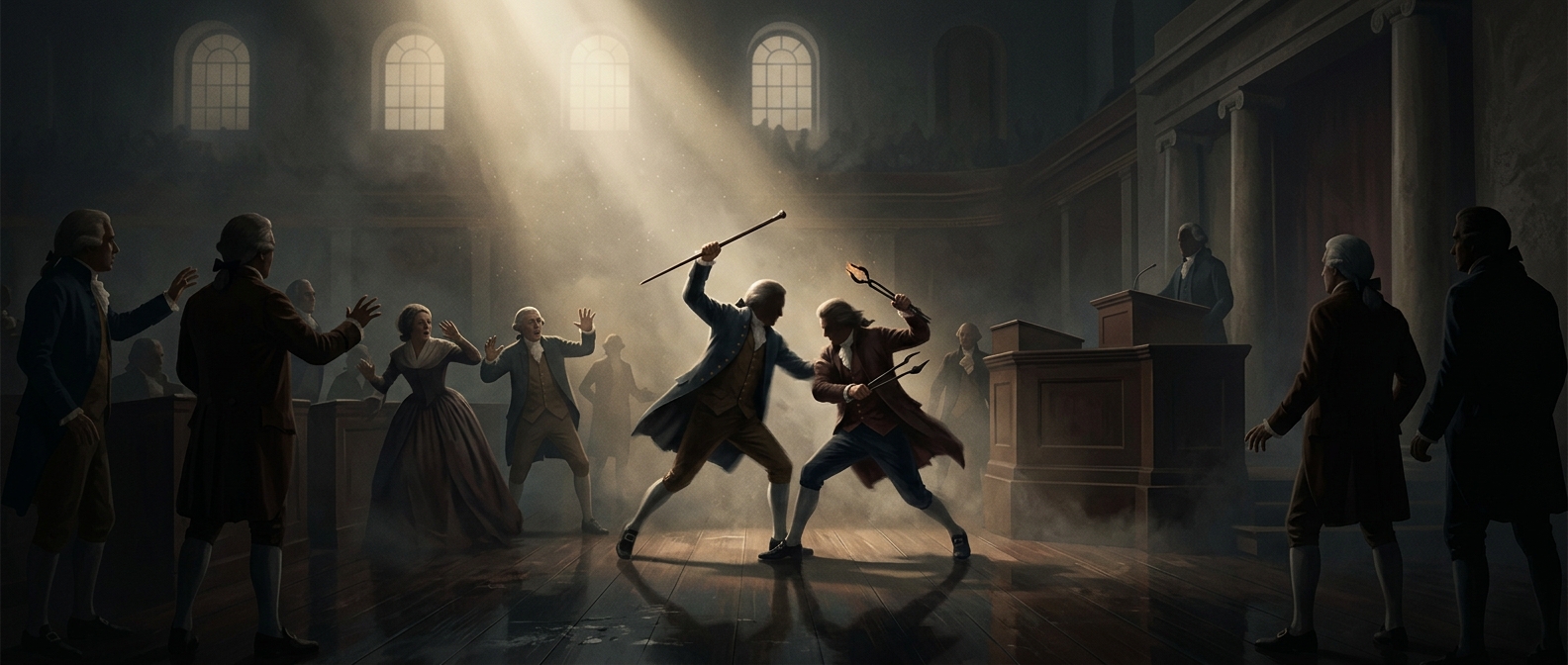
When lawmakers settled an argument with canes and fire tongs
In 1798, Connecticut's Roger Griswold attacked Vermont's Matthew Lyon with a cane after an earlier confrontation in which Lyon had spat at him. Lyon grabbed…
Discover more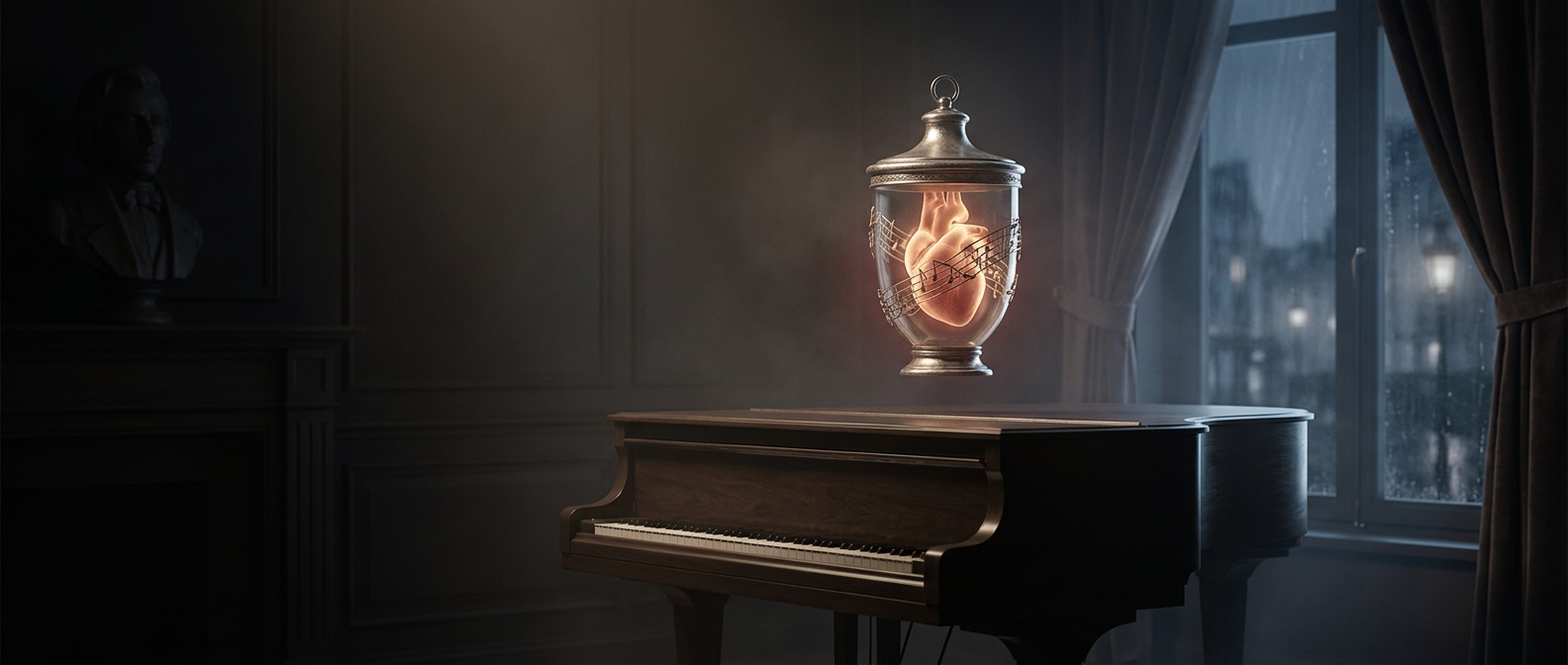
Chopin is buried in Paris, but his heart went home to Poland
After his death in 1849, his sister Ludwika carried his preserved heart from Paris to Warsaw. It eventually found a resting place in the Church of the Holy…
Discover more