History
Discover facts about history. Small discoveries that change the way you see familiar things.
History
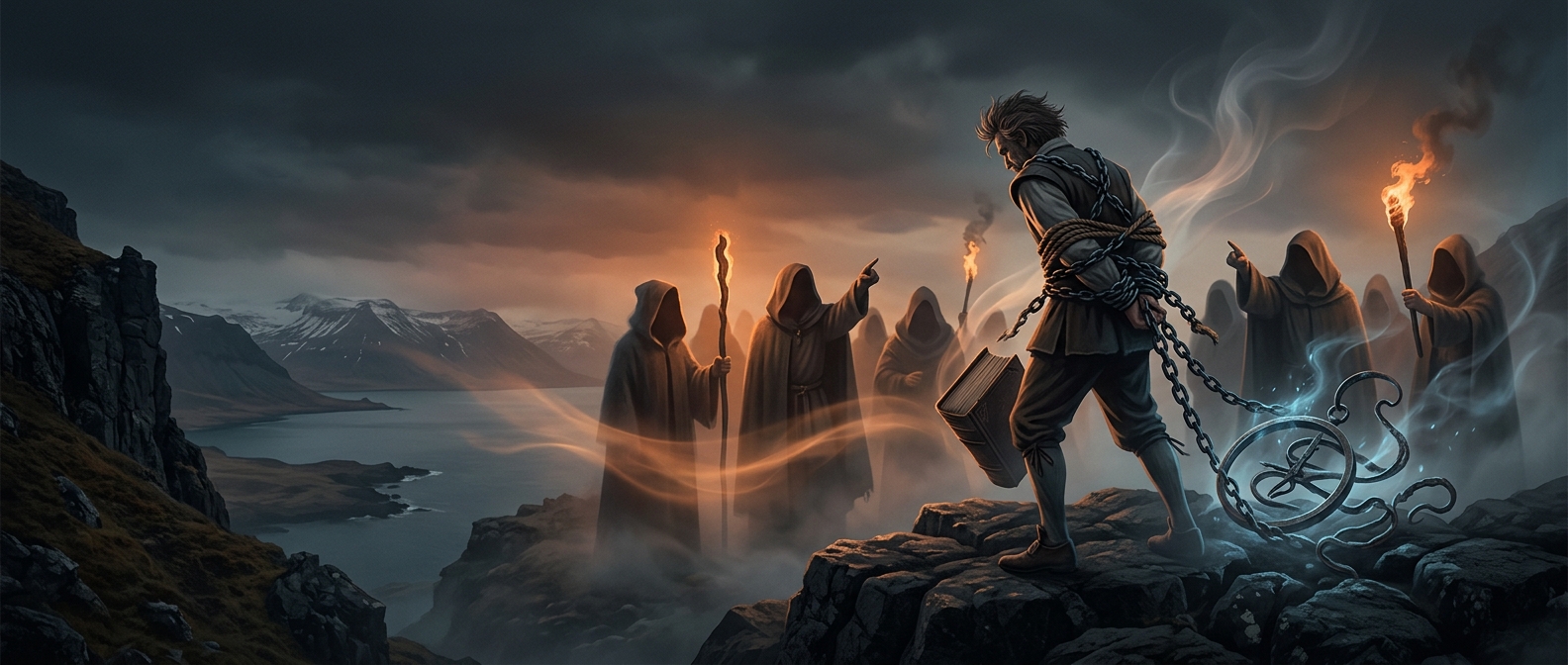
Iceland’s witch trials mostly targeted men
Iceland’s trials often accused men, especially those suspected of carving runes or feuding with neighbors. A local grudge could turn into a witchcraft case.
Discover more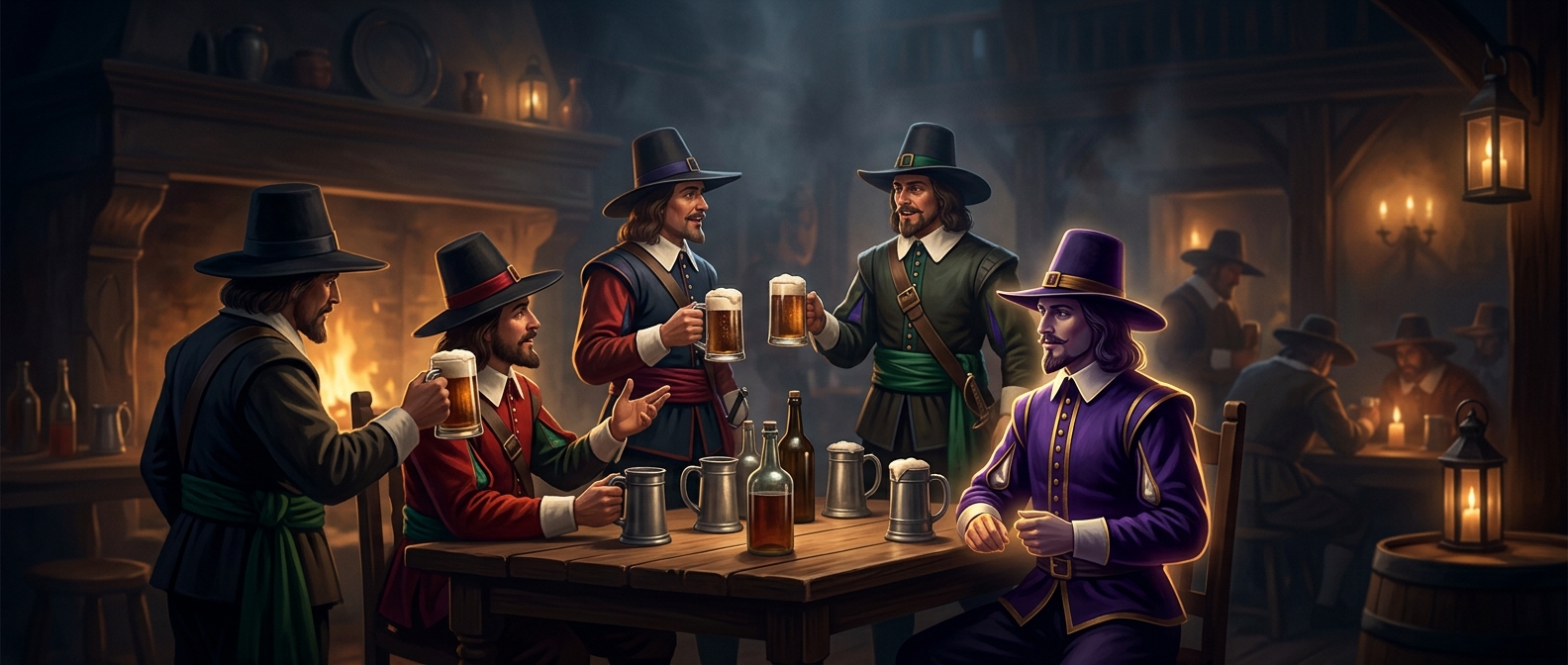
The Pilgrims' everyday wardrobe was not all black
Plimoth Patuxet notes that black often appears in portraits because people wore their best clothes for them. Everyday clothing included other colors. The…
Discover more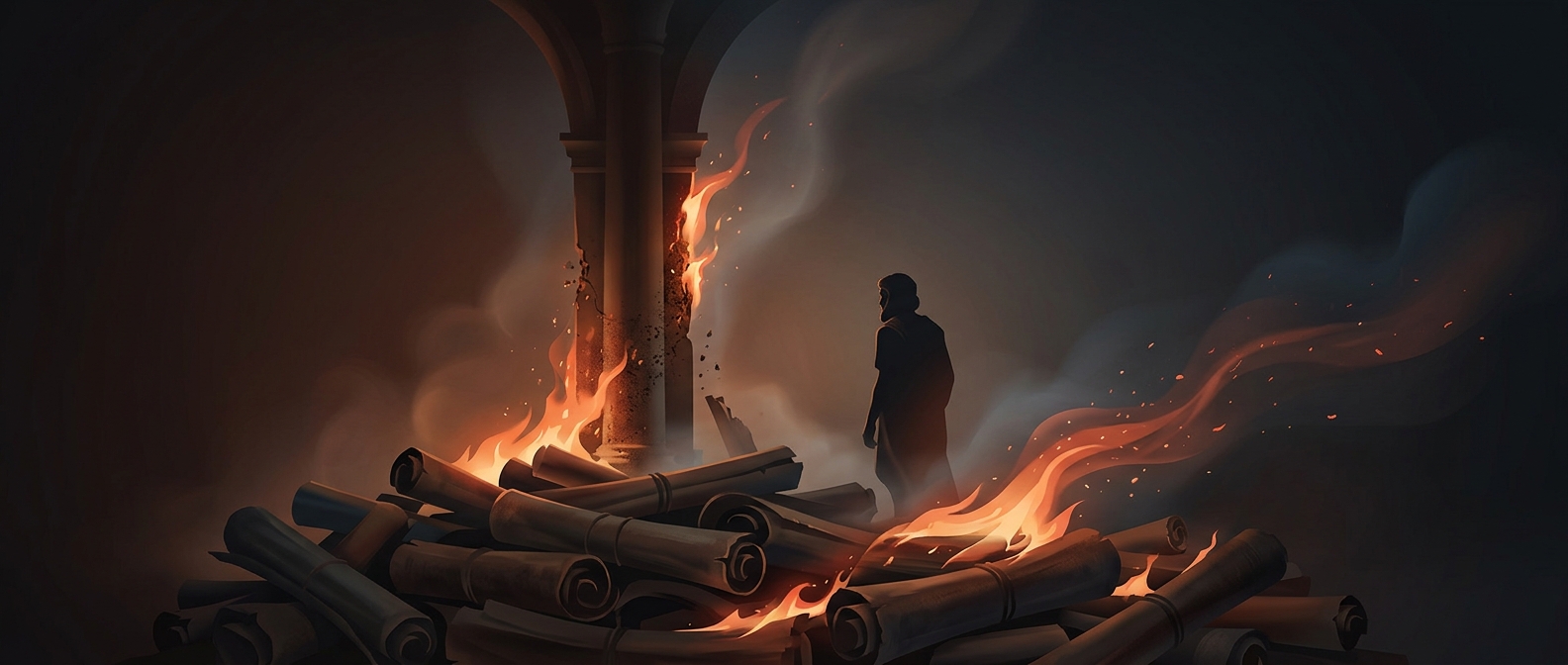
Losing centuries of knowledge by burning down a library
A fire doesn’t just destroy a building; it turns every unique scroll into a gap no later scholar can fill. Records of ancient civilizations vanished with…
Discover more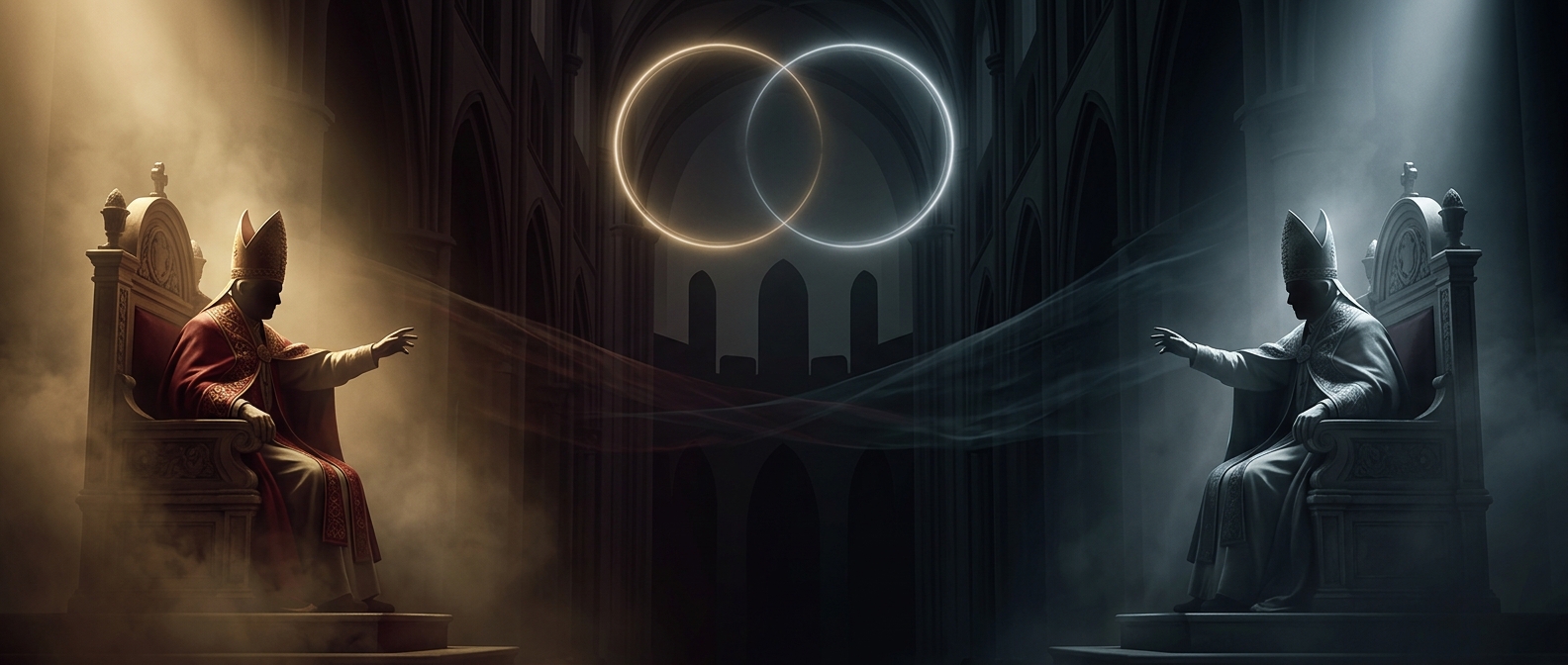
A council tried to solve a two-pope problem and produced three
In 1409, the Council of Pisa attempted to depose the rival claimants in Rome and Avignon and elected Alexander V. Neither existing claimant accepted the…
Discover more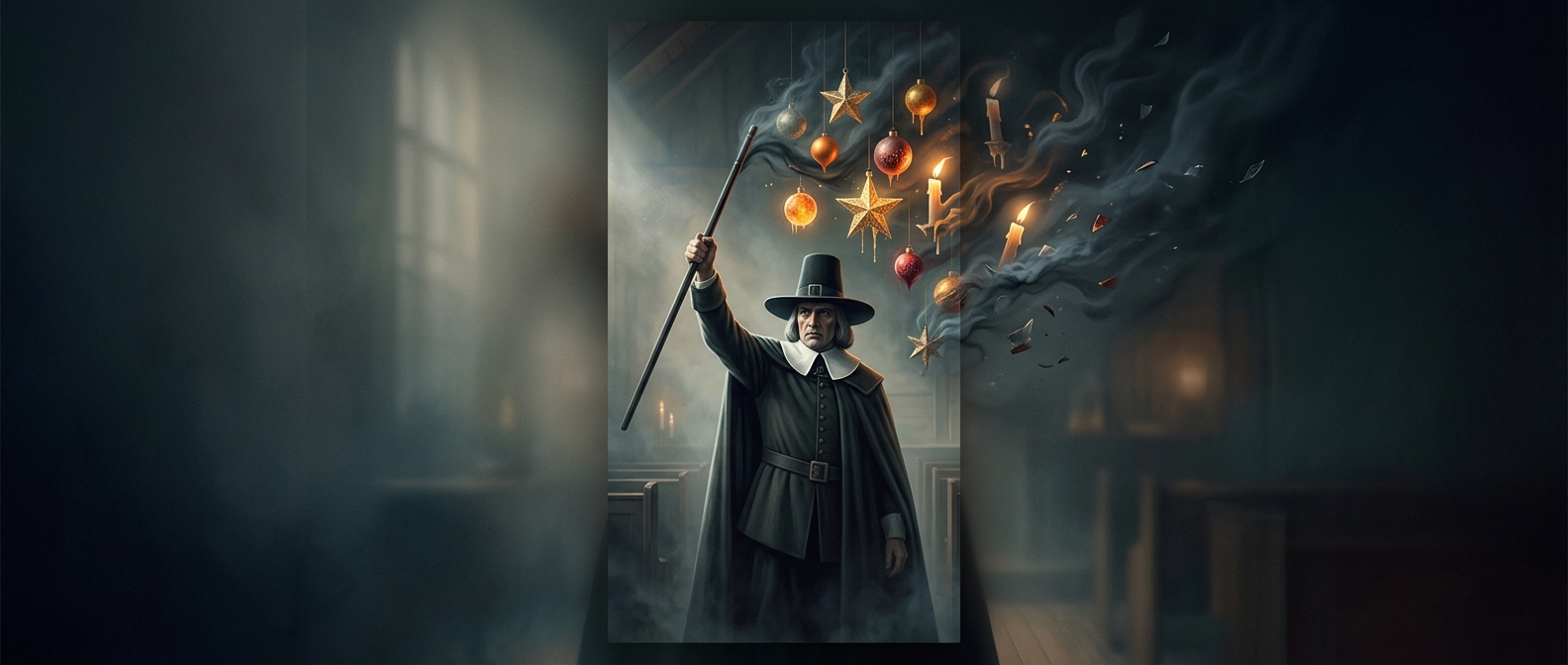
When Puritans banned Christmas
Puritan leaders saw Christmas singing and feasting as improper, so they made the celebration illegal. The ban turned a religious objection into a rule about…
Discover more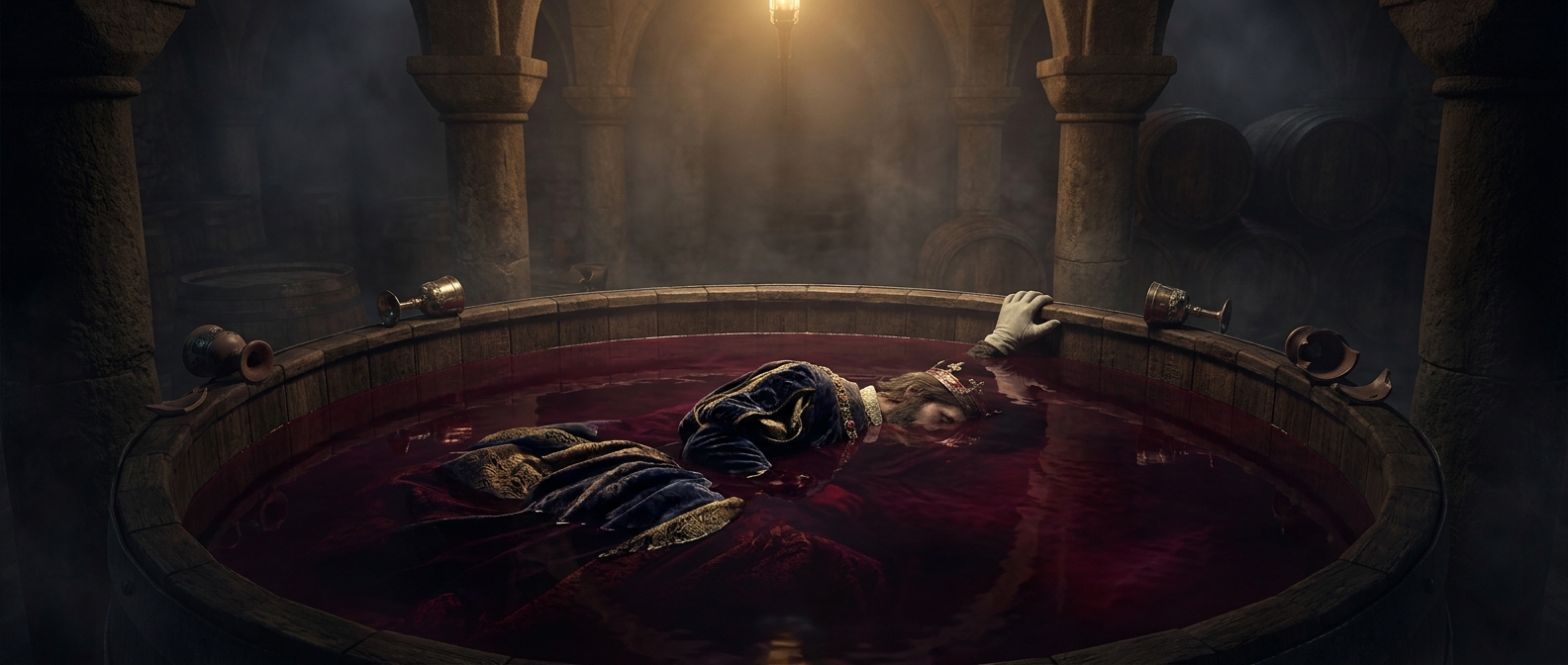
A duke's execution became a story about a vat of wine
George, Duke of Clarence, was executed in 1478 after being convicted of treason against his brother Edward IV. Tradition says he was drowned in malmsey wine,…
Discover more STACKY FOR IPHONE
A bigger world.
One discovery
at a time.
Keep discovering with Stacky. Interesting facts in an app that is always within reach.
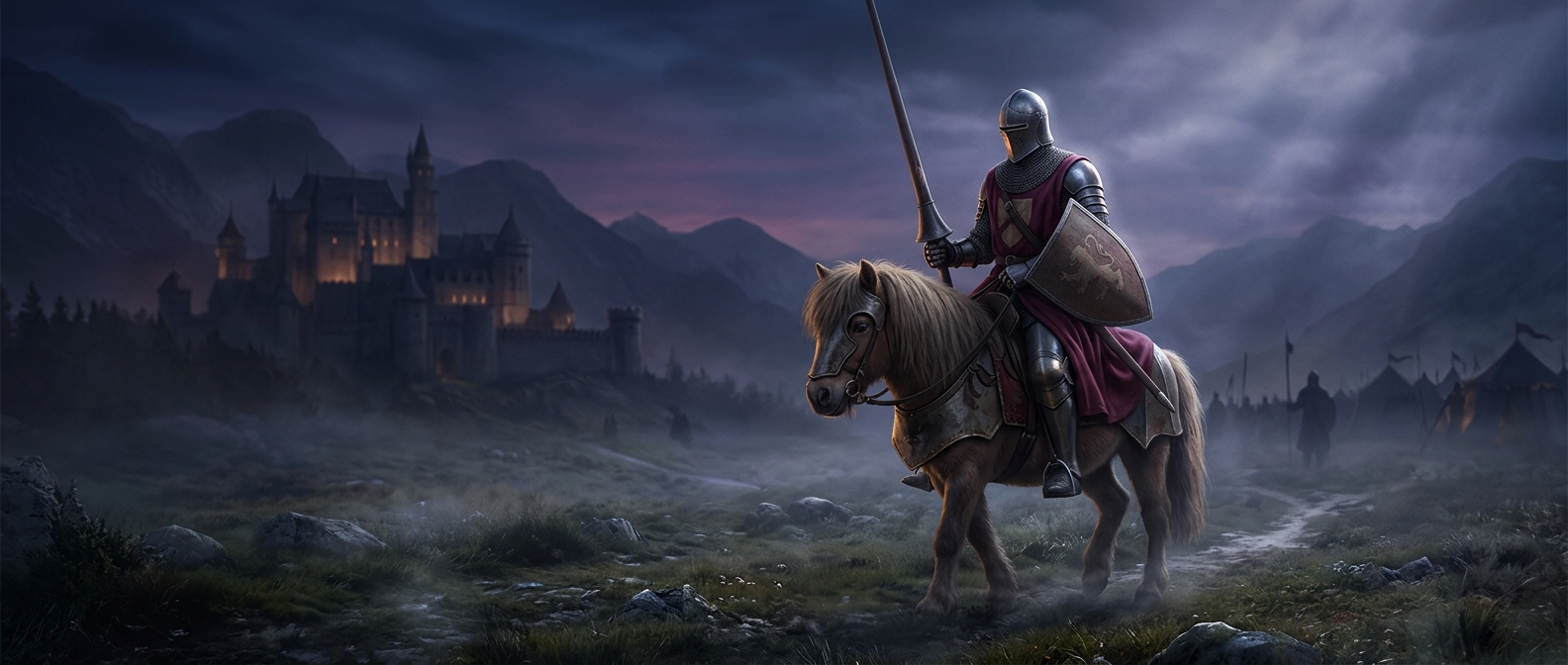
Medieval knights rode horses no bigger than ponies
The horses used by medieval knights were closer in size to modern ponies than to the giant steeds often shown in movies.
Discover more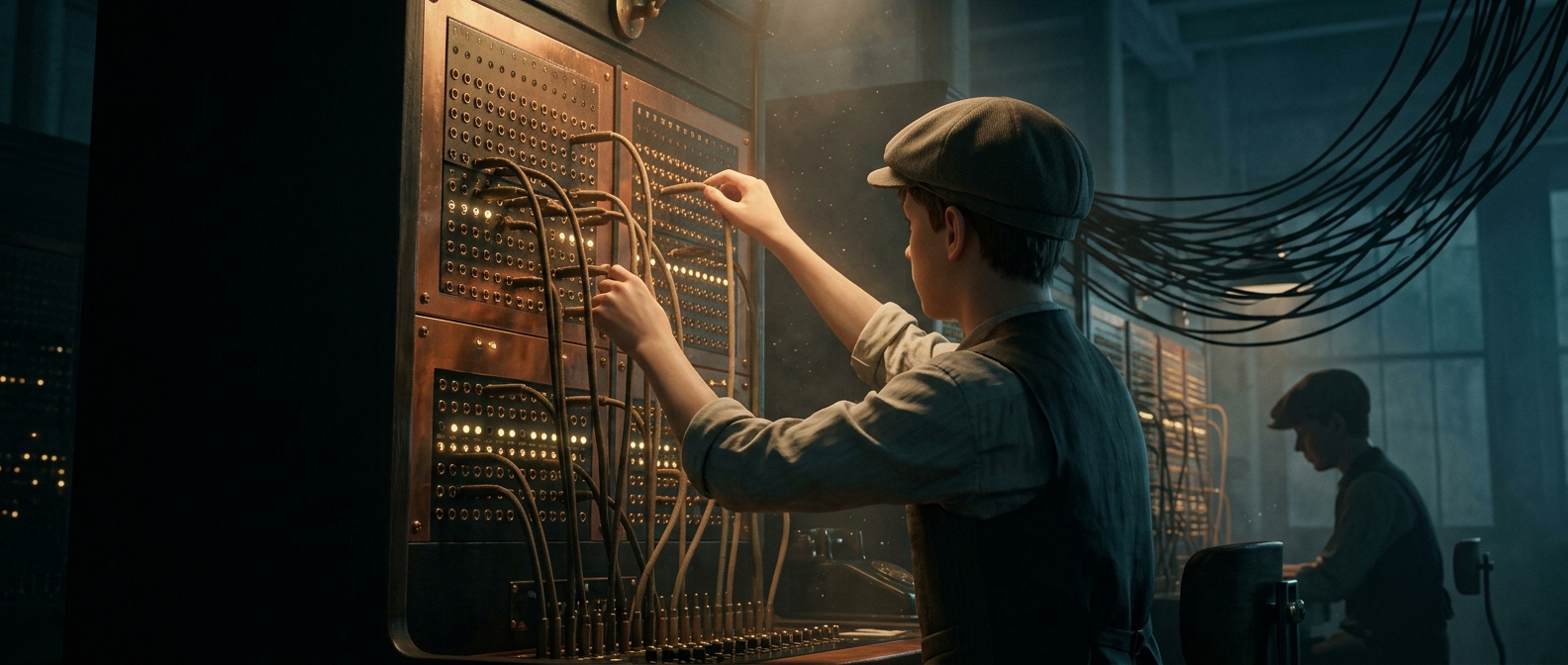
Why teenage boys were fired as telephone operators
Telephone companies initially hired boys to operate switchboards, then fired them for cursing at customers and unplugging calls.
Discover more
Early dictionary writers slipped opinions into definitions
Samuel Johnson defined oats as a grain generally fed to horses in England but used to feed people in Scotland. Even a dictionary entry could carry a grudge.
Discover more
When voters choose an animal for public office
Disillusioned voters have sometimes elected a local goat or dog to public office. These animal candidates have even drawn higher approval ratings than human…
Discover more
Signing absurd treaties that effectively gave away entire massive peninsulas for practically nothing
When negotiators made ending a dispute the priority, vast territories could become bargaining chips rather than carefully priced assets. Borders shifted…
Discover more
The strange appeal of royal spoons
Their appeal comes from the story attached to them: a royal connection can make an ornate spoon collectible, even if it never leaves the display shelf.
Discover more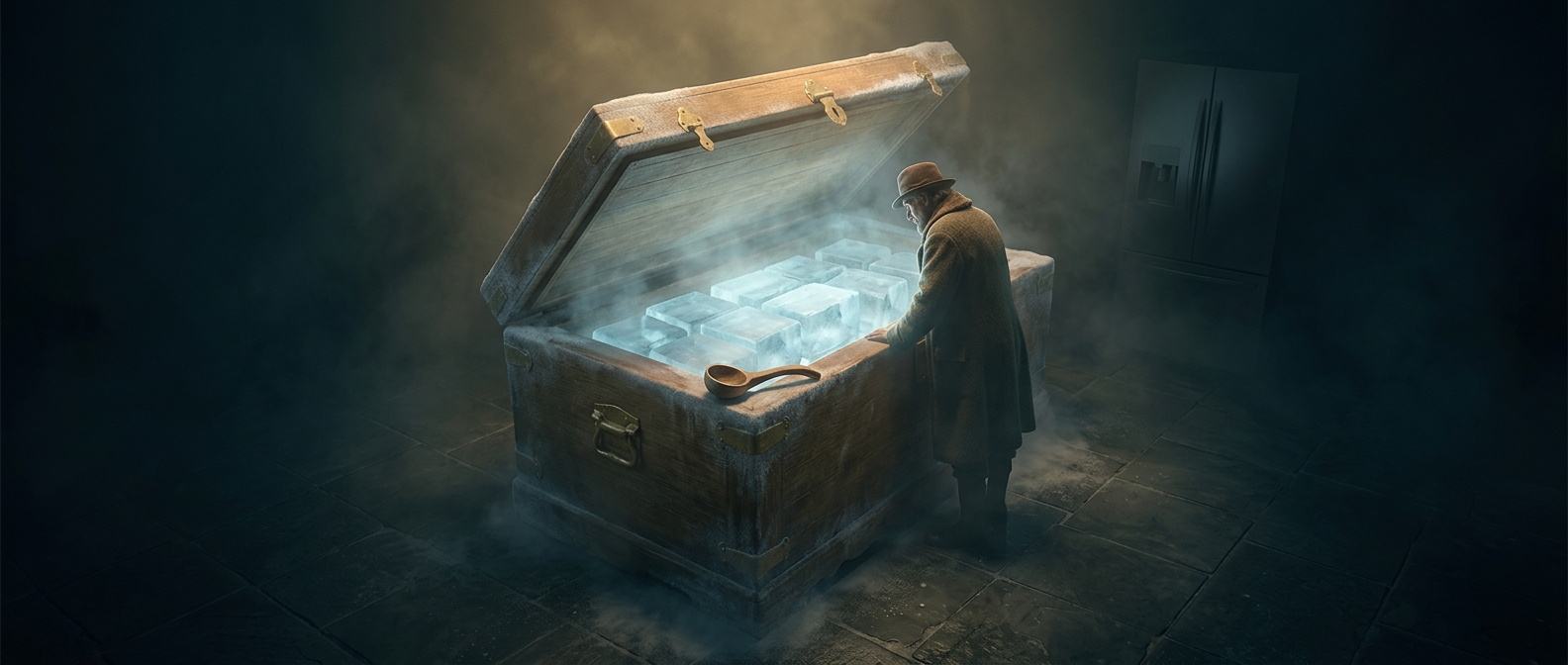
Storing ice in giant insulated boxes to pretend modern appliances are totally useless
An icebox could keep food cold without an electric refrigerator, but only as long as the block of ice lasted. Someone had to deliver a replacement by hand…
Discover more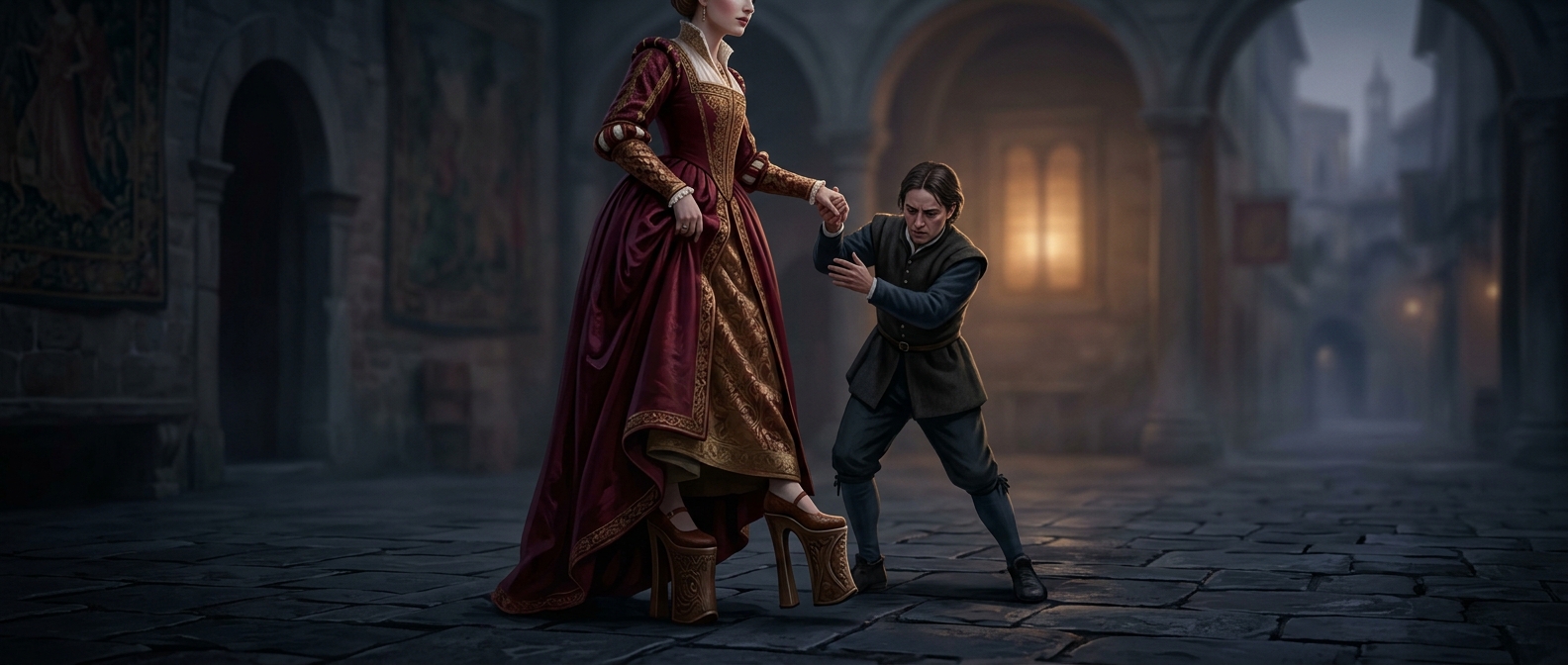
The platform shoes that required walking assistants
Chopines advertised status by adding inches, but some were so high that attendants had to help wearers walk—even across a room. The look came with a built-in…
Discover more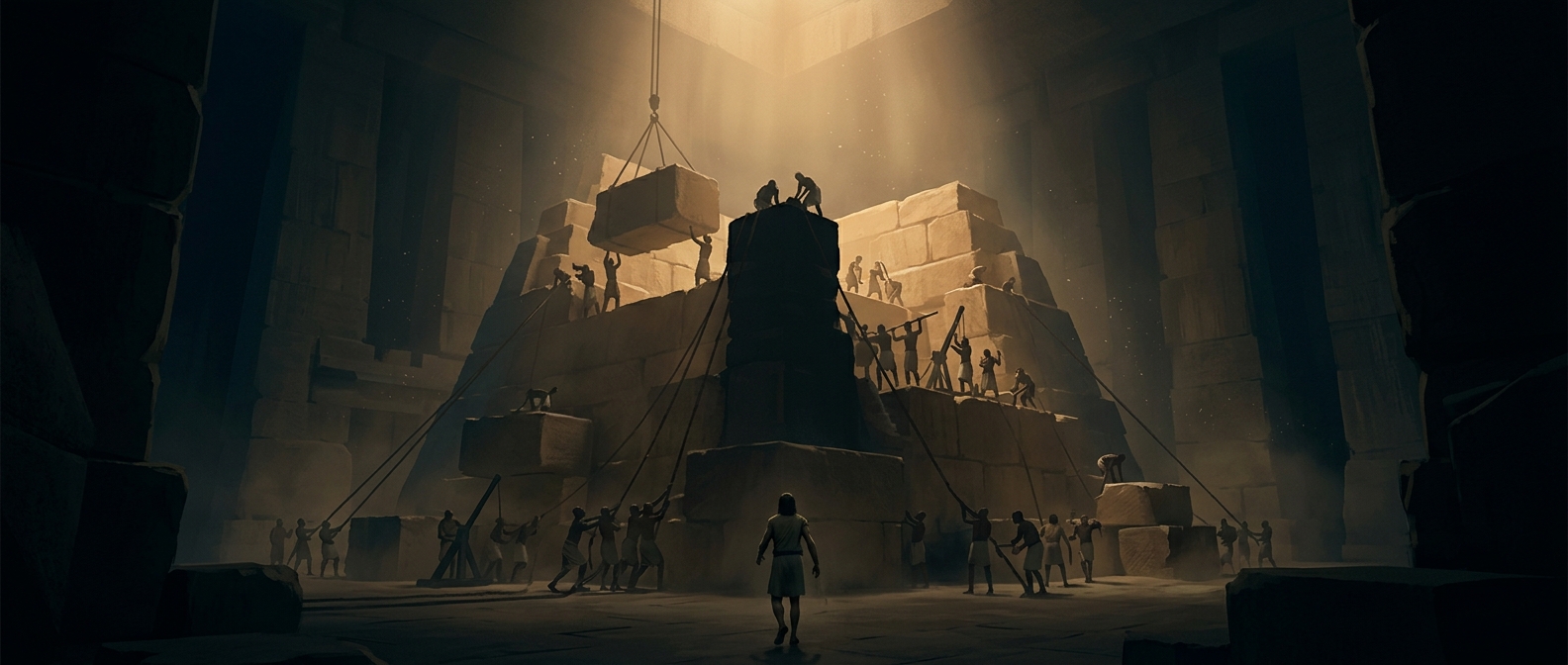
Ancient builders constructing monumental tombs just to deter petty tomb raiders.
Builders tried fake corridors, granite plugs, and dead-end shafts to protect tombs filled with treasure. But nearly every tomb was plundered soon after the…
Discover more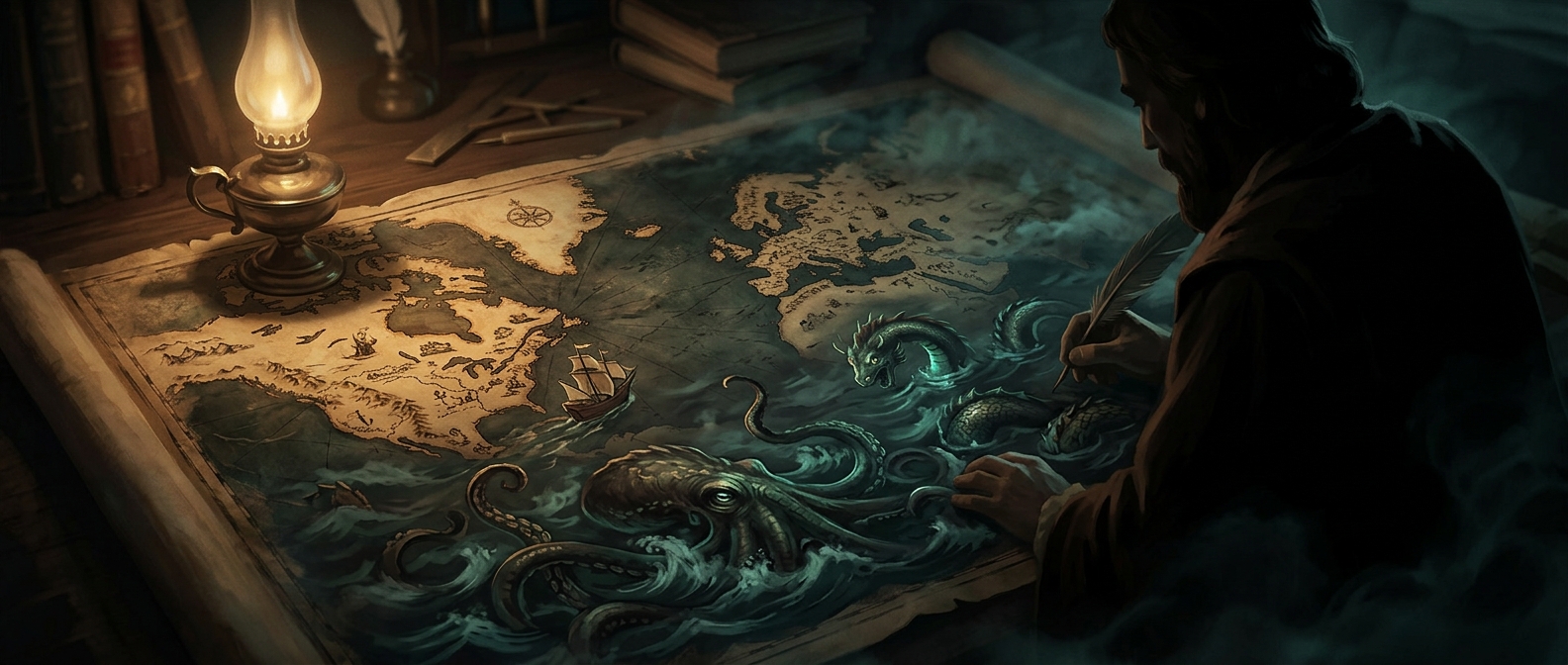
A sea monster on an old map could make a political claim
On Waldseemüller's 1516 Carta Marina, Portugal's king appears riding a sea creature near southern Africa. Map historian Chet Van Duzer interprets it as…
Discover more
The smog that brought a capital to a standstill
Coal smoke and a weather inversion trapped pollution over London until the air became a lethal fog. It stopped the capital in its tracks; residents could…
Discover more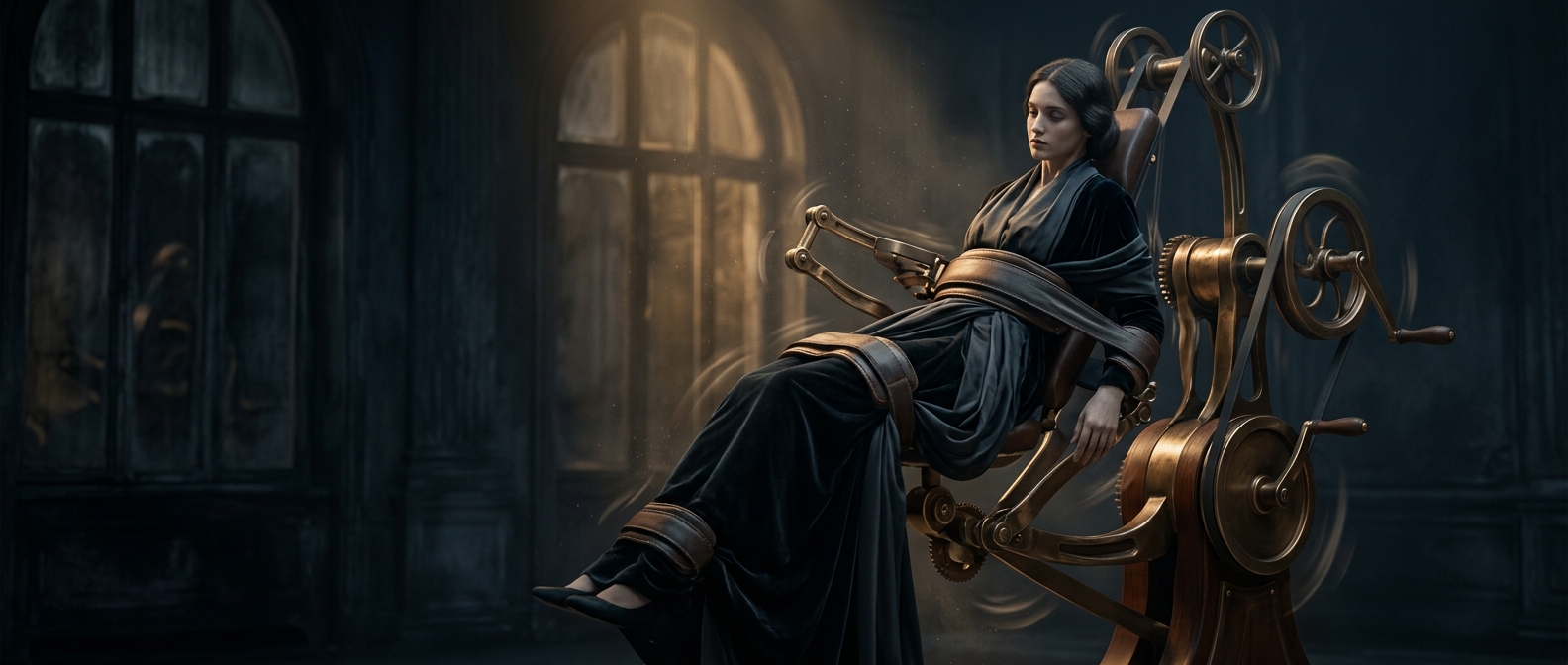
The machines that promised to shake your fat away
The pitch was exercise without the effort: strap on a belt, stand still, and let it shake your midsection. The machines relied on the unfounded idea that…
Discover more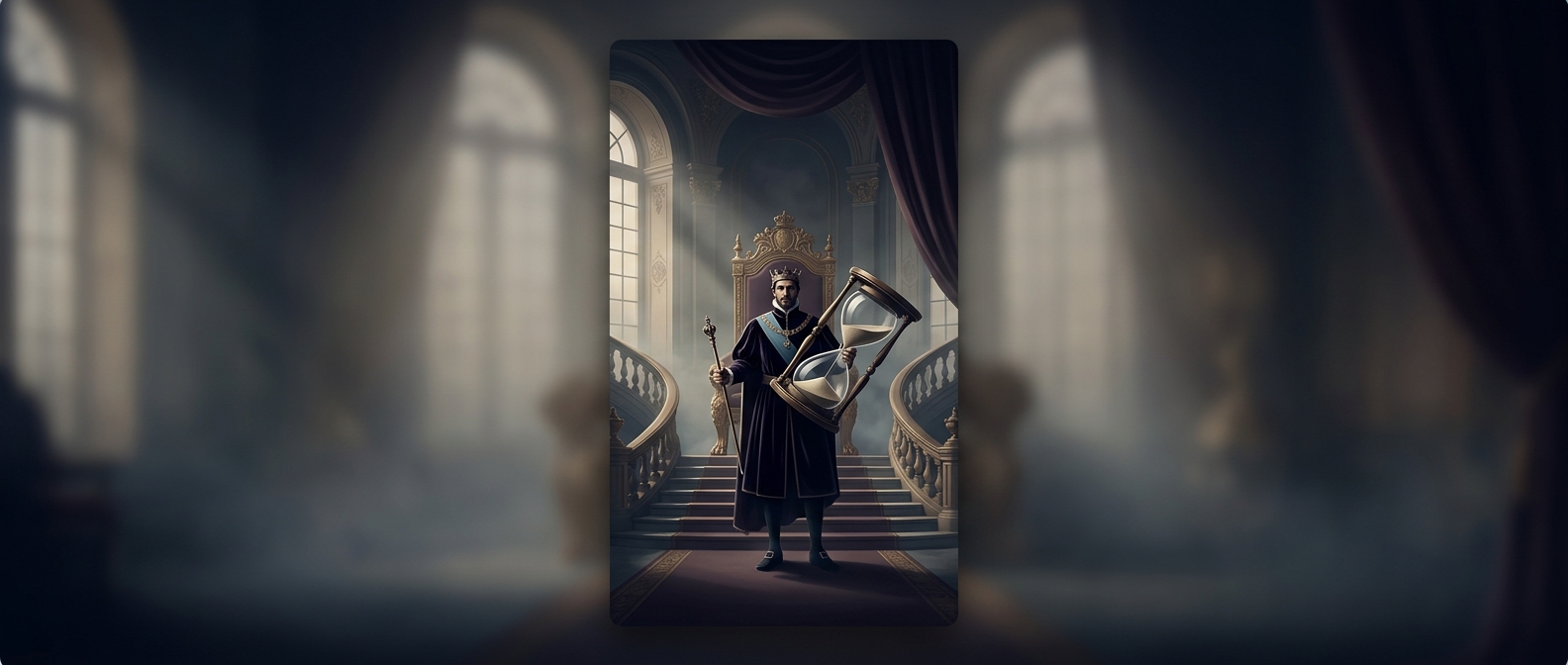
An emperor ruled for just 20 minutes
He abdicated before he could finish a cup of tea—a remarkably brief run at the top.
Discover more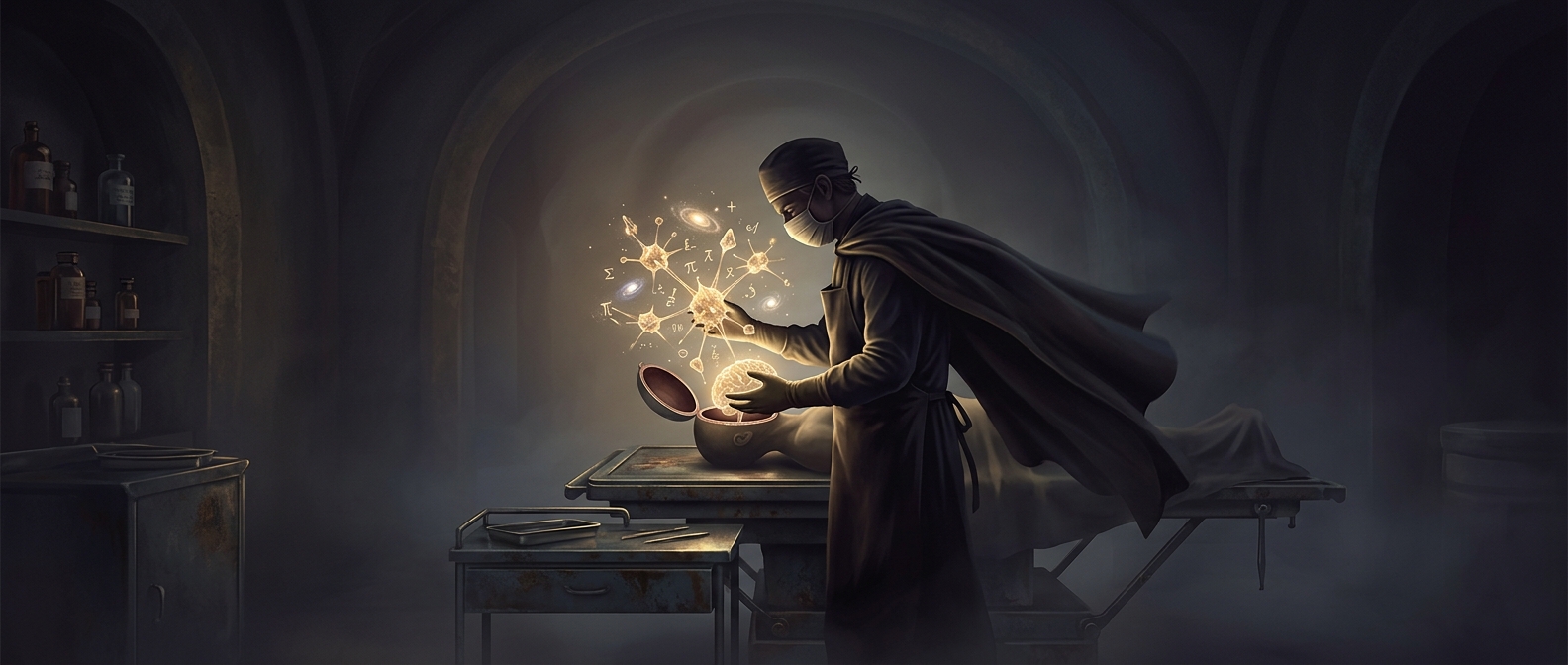
Einstein's preserved brain outlived the man as a traveling research specimen
Pathologist Thomas Harvey removed it in 1955 and retained portions for decades, distributing samples for study. Its later history included moves and an…
Discover more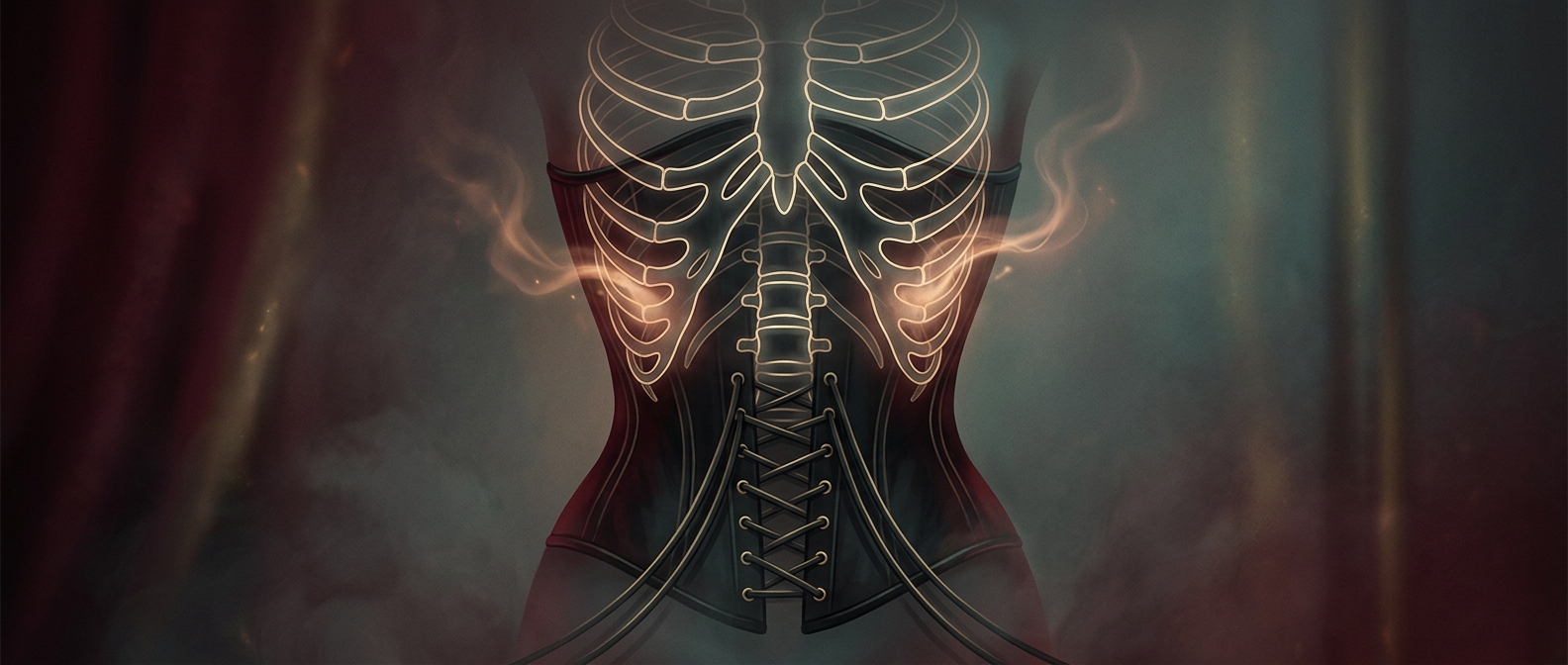
Tight lacing could make a fashionable waist cost a full breath
A tightly drawn corset could restrict expansion of the torso, making deep breathing harder. The degree depended on the garment and how it was worn; ordinary…
Discover more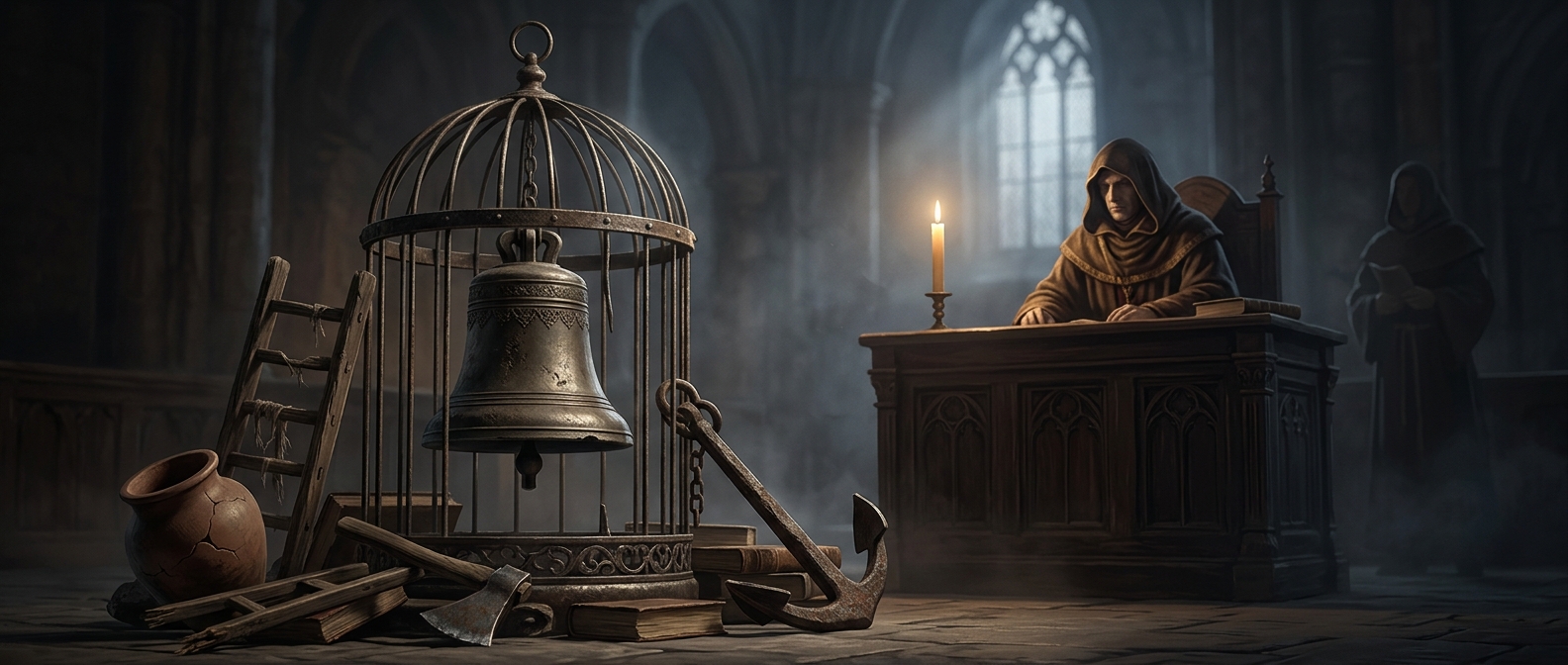
When medieval courts put objects on trial
After accidents involving falling branches or carts, some medieval courts put the objects themselves on trial. A guilty verdict could banish the offending…
Discover more
Old diaries prove people have always been petty
Centuries before comment sections, diarists complained about neighbors and judged each other's clothes. The ink was fancier; the grievances were not.
Discover more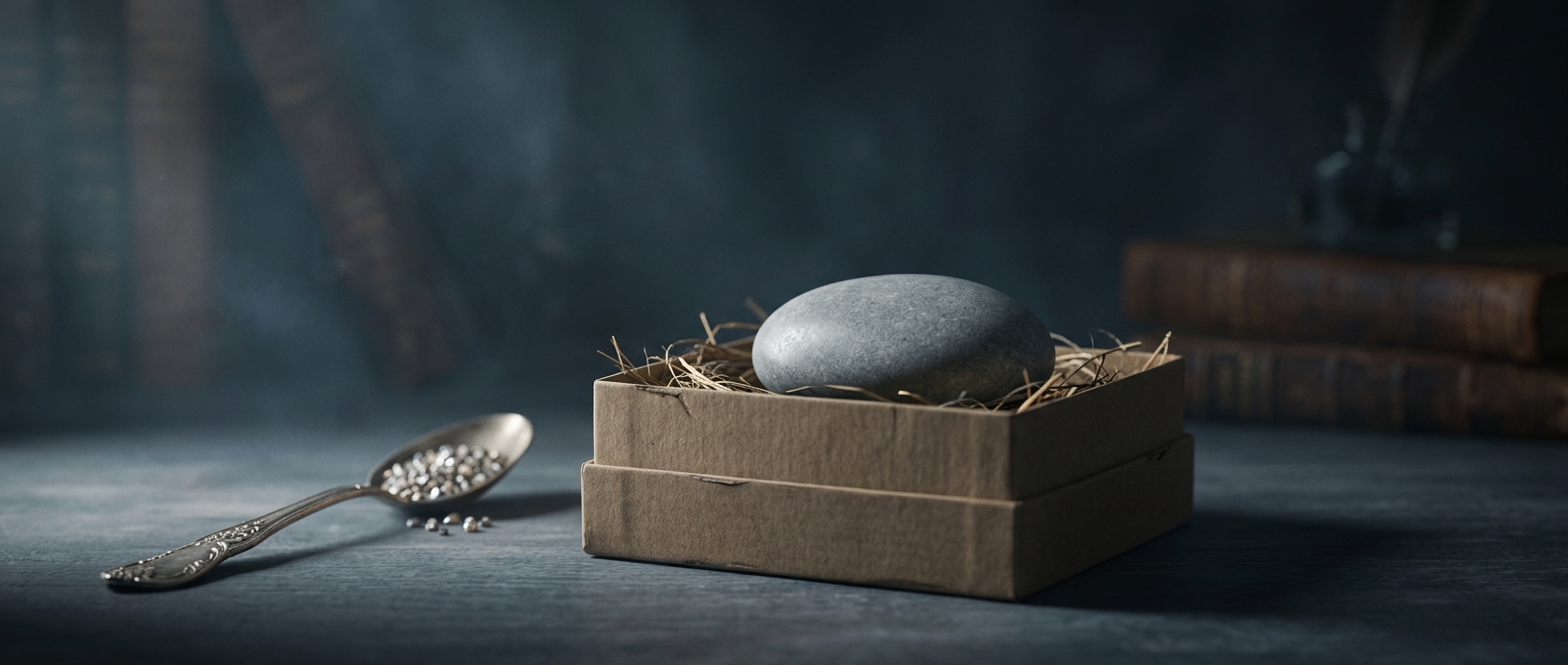
When people bought ordinary rocks as pets
The pitch turned a rock’s biggest disadvantage into its selling point: it needed no feeding, yet came with a carrying case, breathing holes, and an…
Discover more