From autopsy specimen to traveling archive
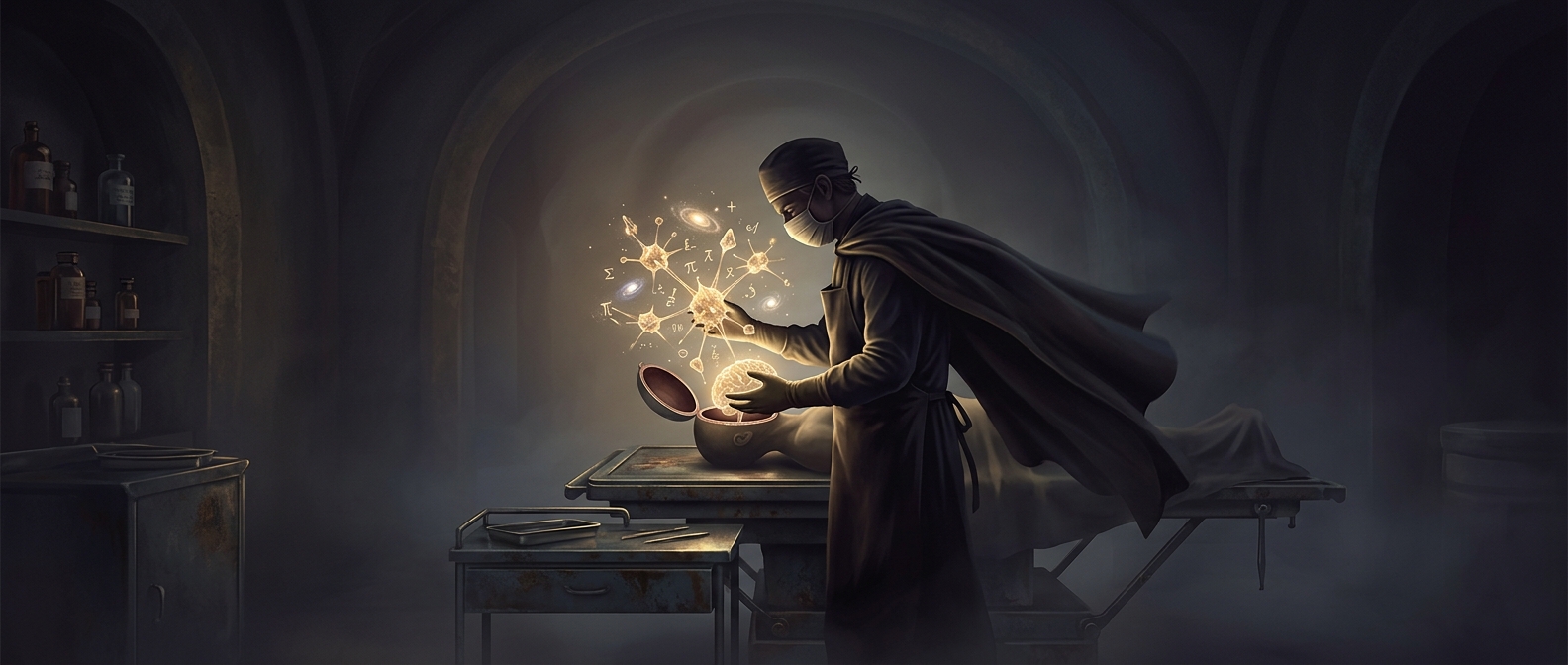
When Albert Einstein died in 1955, pathologist Thomas Harvey removed his brain during the autopsy, intending to investigate whether its structure might help explain Einstein’s remarkable intellectual ability. The plan turned an organ into a long-term research specimen: Harvey preserved it in formalin, a liquid used to slow decay, then divided it into blocks and prepared thin slices for microscopic study.
That work did not stay in one laboratory. Harvey moved between jobs and locations, carrying the preserved brain with him—including in a cider box. The box was an improvised container for an unusual personal responsibility: Harvey had the specimen, but making it useful meant finding researchers who could examine pieces of it.
Why the brain could not provide a simple answer
A preserved brain can reveal physical features, such as the arrangement of cells in a small sample. But a slice cannot by itself explain a person’s intelligence. Researchers would need a sound comparison with other brains and a way to show that any observed difference mattered—hard tasks when an exceptional individual’s brain is the single case being studied.
Over the years, Harvey sent samples to other researchers, extending the project beyond his own work. The result was less a single decisive discovery than a dispersed scientific archive, shaped by one pathologist’s persistence and the practical problem of keeping a specimen intact. Its most telling detail is also its most vivid: a brain intended for laboratory scrutiny spent part of its afterlife traveling in a box meant for cider.