A film could stand in for a live appearance
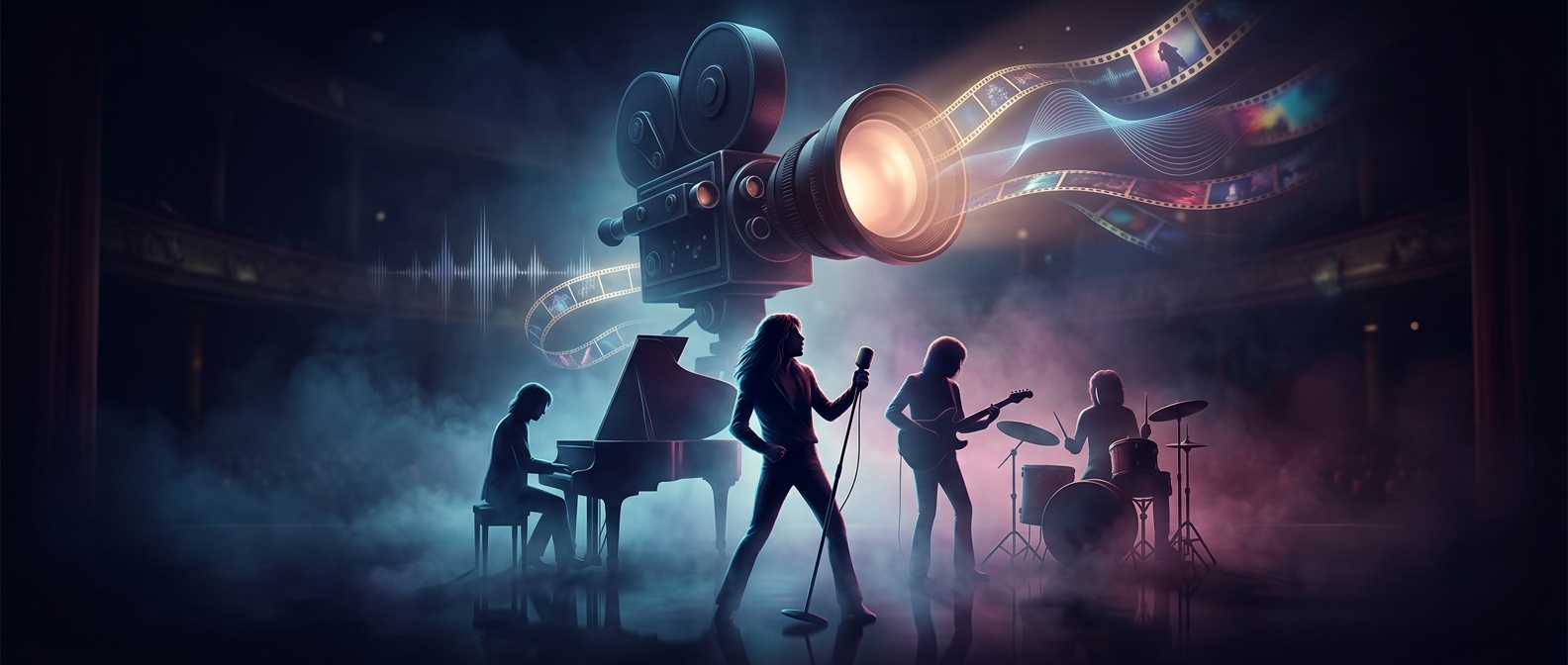
A band promoting a new record faced a practical bottleneck: television exposure usually meant being in the studio when a program was recorded or broadcast. That could require travel, scheduling around other commitments, and repeating a performance for different shows. A prerecorded clip loosened that constraint. The band could make one filmed performance and send it to a program to play in its place.
Lip-syncing made the arrangement workable. The musicians acted out the song while the finished recording played, so viewers saw a performance even though the sound was not being captured live. The clip was not simply a record advertisement; it supplied television with ready-to-air entertainment while giving the band exposure without its members having to appear in person.
The workaround changed what promotion could look like
Once a clip could travel without the performers, promotion no longer had to be tied to a single studio visit. A film could be shown while the band was elsewhere, and the same recorded performance could serve more than one broadcast. That made visual promotion easier to schedule and repeat—and helped establish the filmed song performance as a regular way to sell records.
The lasting shift was from treating television as a place musicians had to visit to treating it as a screen they could reach remotely. What began as a substitute for showing up created a useful new promotional tool: a performance designed to circulate even when the band could not.