Why Bach Went to Lübeck—and Stayed
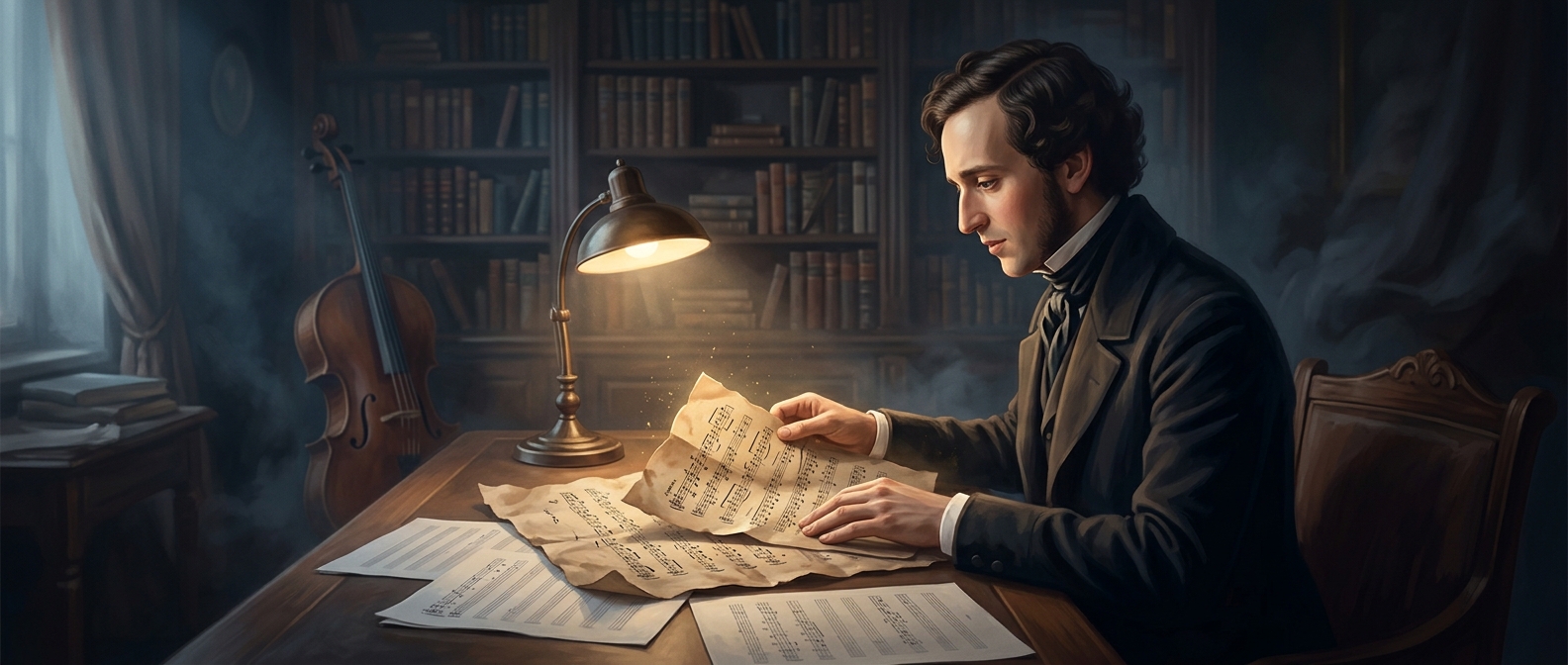
In 1705, Johann Sebastian Bach was about 20 and working as an organist in Arnstadt, a small town in central Germany. Lübeck, on the Baltic coast, was home to Dieterich Buxtehude, one of the era’s most admired church musicians. For Bach, the journey offered a rare chance to hear at close range how a celebrated organist handled the instrument and shaped music for a large church.
Buxtehude worked at Lübeck’s Marienkirche, where the organ was central to worship and public musical life. Hearing him there meant more than listening to written pieces: an organist’s skill also showed in how he varied and expanded music in performance. The trip gave Bach direct access to a musical world far more prominent than the one in which he had begun his career.
The Cost of an Extended Lesson
Bach’s employers had agreed to let him leave for a limited period, but his stay stretched from weeks into months. That turned a private opportunity for learning into a workplace problem: Arnstadt still needed its organist to fulfill his duties. When Bach returned, the tension was apparent in the questions put to him about his prolonged absence and his work at the church.
The journey mattered because it placed a young musician in the presence of an admired master at a formative moment. But it also shows the practical tradeoff behind artistic apprenticeship: Bach’s hunger to learn took him away from the job that made the journey possible. For his employers, the memorable part was not only where he had gone, but how long the organ bench at home had been left waiting.