Stone rooms kept the sound in
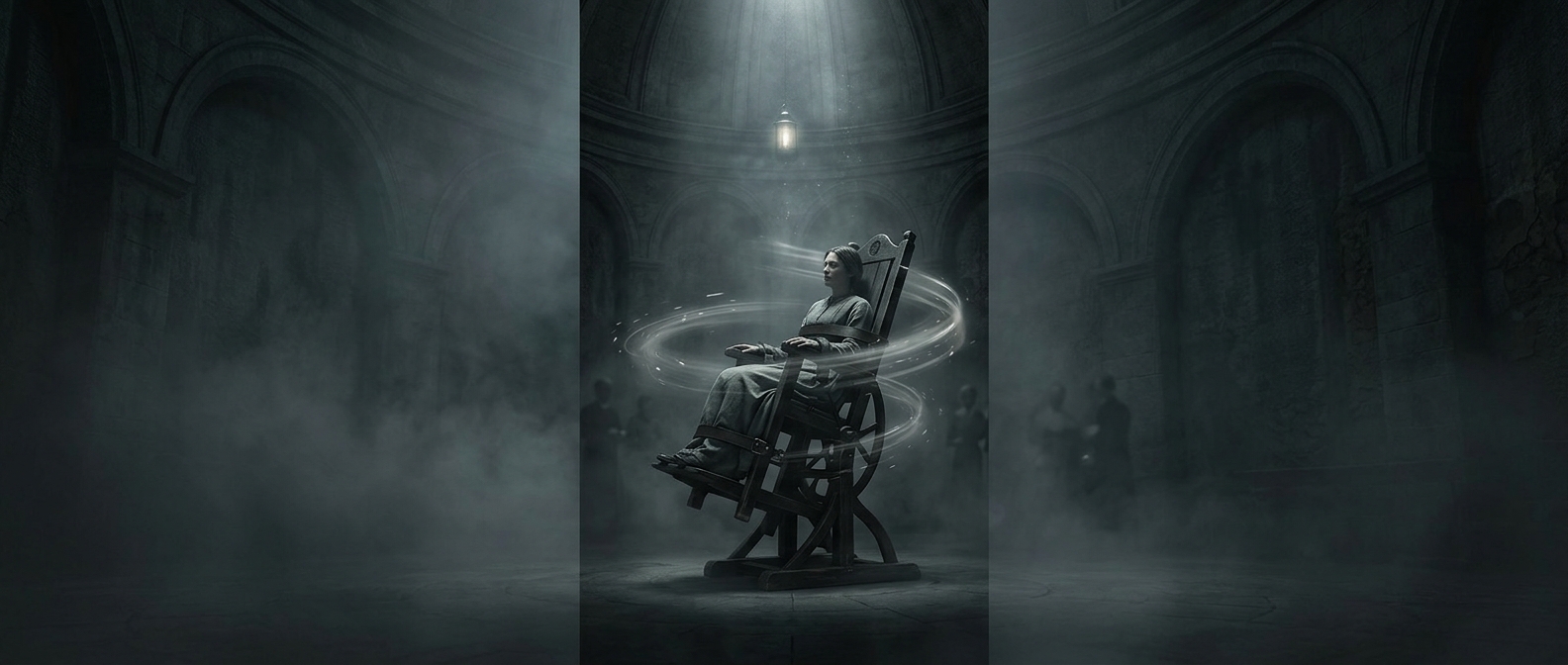
A brass instrument does not send all its sound neatly toward an audience. Its broad, forceful tone spreads through a room, where hard surfaces reflect it back. In a small chamber with bare stone walls, floors, or ceilings, those reflections can make the music seem to come from everywhere. Unlike curtains or other soft furnishings, stone absorbs little sound.
A musician seated close to the brass section could therefore receive a powerful dose of sound not only from the instruments themselves, but also from the room’s reflections. The danger was especially direct for players positioned beside trumpets or other loud brass: they could not simply move away without disrupting the ensemble.
Repetition mattered as much as volume
Hearing damage can build through repeated exposure. Very loud sound can injure the delicate sensory cells in the inner ear, which convert vibrations into signals the brain can understand. Those cells do not grow back. A single exposure may cause harm, but years of rehearsals and performances make the cumulative risk more important.
The damage often begins as difficulty hearing certain pitches or understanding speech in noisy places, rather than an immediate, total loss of hearing. For a working musician, even that gradual change could make it harder to follow other players and stay precisely in tune.
The room was part of the exposure
Modern listeners often encounter brass in concert halls designed to shape and manage sound. Court musicians performing in compact, reflective chambers faced a different acoustic setting: the architecture sent more of the music back into the space where the players stood. The consequence was not merely a louder performance for the court. It could mean that the musicians who produced the sound spent years surrounded by it.