Why “Greek white” appeared in the medicine cabinet
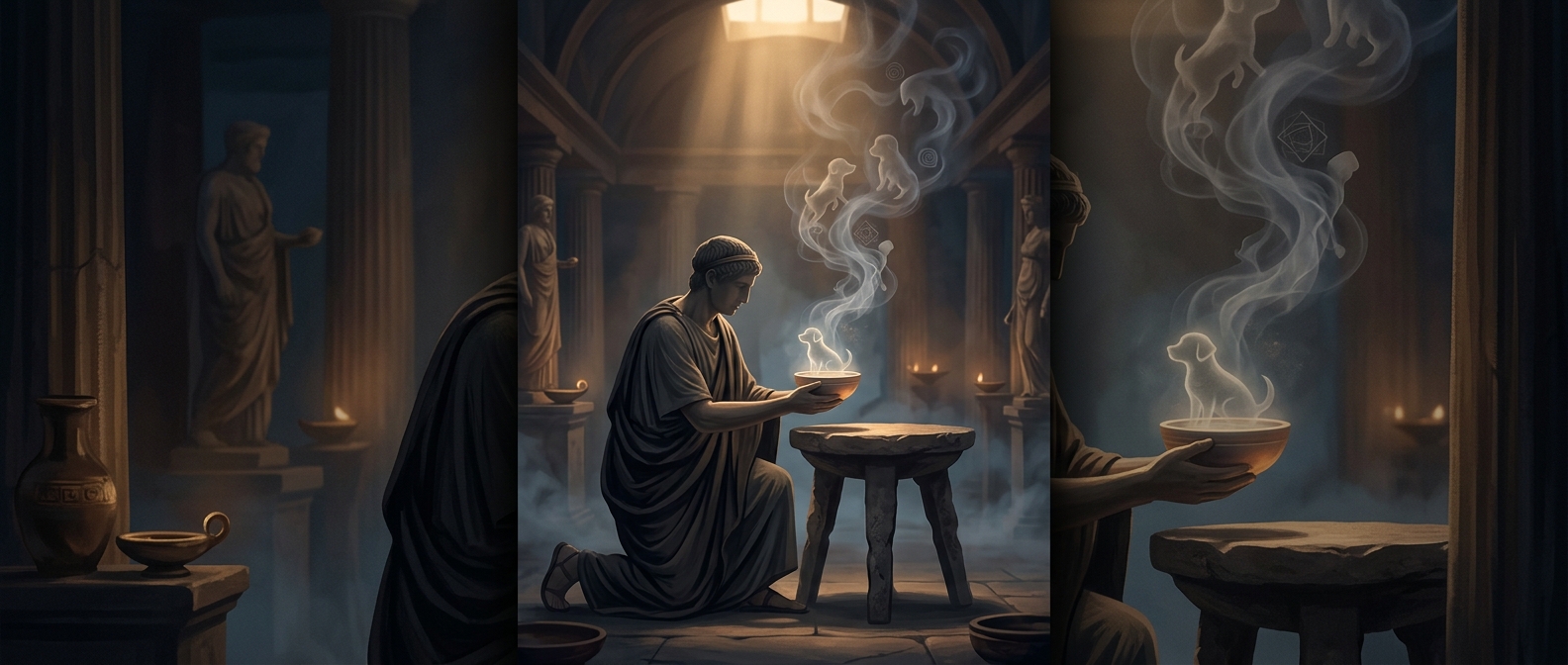
Album graecum—Latin for “Greek white”—was the name given to dog feces that had dried and turned pale in the sun. Once dry, it could be ground into a powder and treated as an ingredient in medical recipes. The name made an unpleasant substance sound like an established preparation, reflecting a time when medicine drew on a wide range of animal, plant, and mineral materials.
From waste to throat remedy
For an inflamed throat or tonsils, the powder was mixed with honey and prescribed by the spoonful. Honey made the mixture easier to take and could coat an irritated throat; the recipe’s existence, however, does not show that Album graecum cured the inflammation. Before modern explanations of infection and effective treatments, physicians relied on inherited remedies and ideas about what substances might do in the body.
The startling detail is how completely preparation and naming could change an ingredient’s status: sun-dried dog waste became a named medicine, then something a patient might be told to swallow with honey.