stackyFACTS
History

When doctors treated burns with boiled onions

HERE’S THE INTERESTING PART

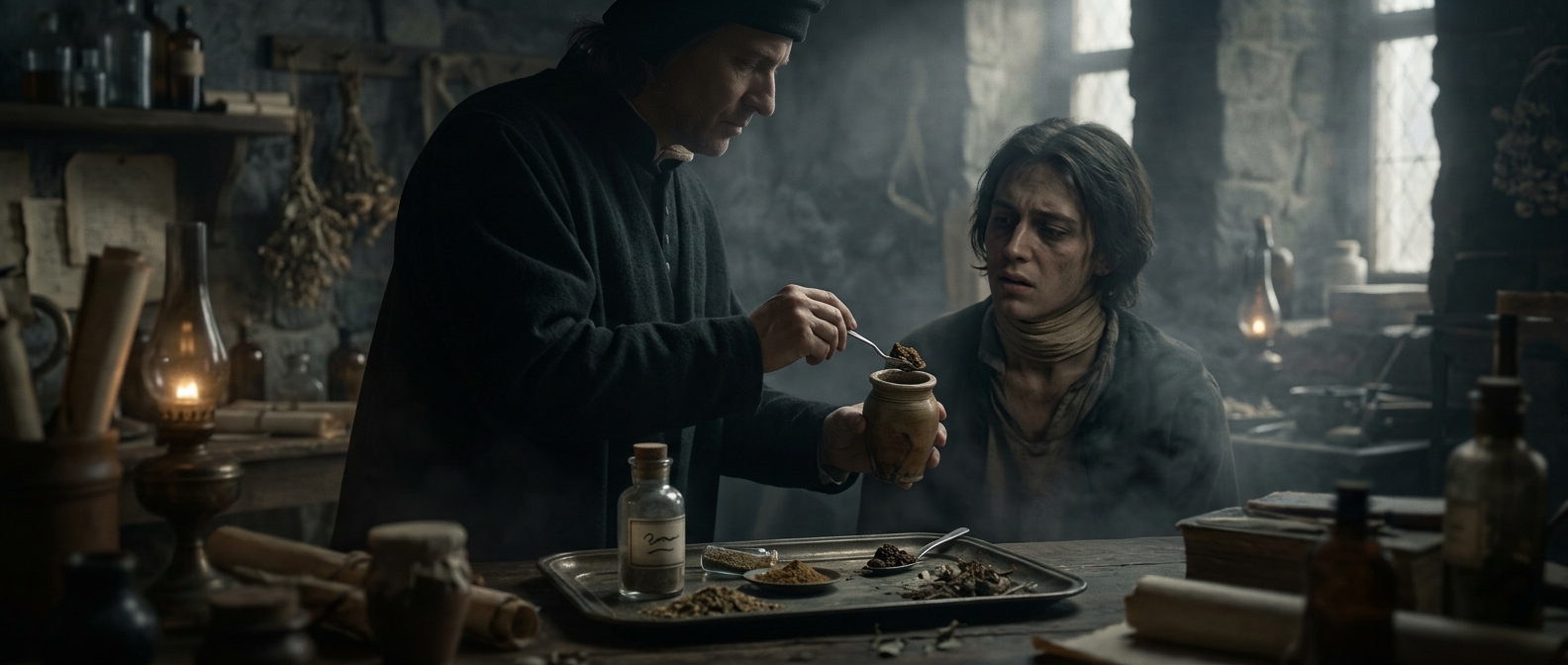
Instead of using anything remotely soothing, historical doctors frequently told severely burned patients to simply slap a hot, heavily boiled onion directly onto the open wound. It did absolutely nothing medically, but it made the patient smell aggressively like soup.

When doctors treated burns with boiled onions
STACKY / History
One discovery leads to another.

Keep exploring facts in this topic.

History →
STACKY FOR IPHONE

A bigger world.
One discovery
at a time.

Keep discovering with Stacky. Interesting facts in an app that is always within reach.

Download on the App Store
ONE MORE DISCOVERY?

Keep exploring

All in this topic →
The horrifying ancient remedy for nerve damage
History

The horrifying ancient remedy for nerve damage

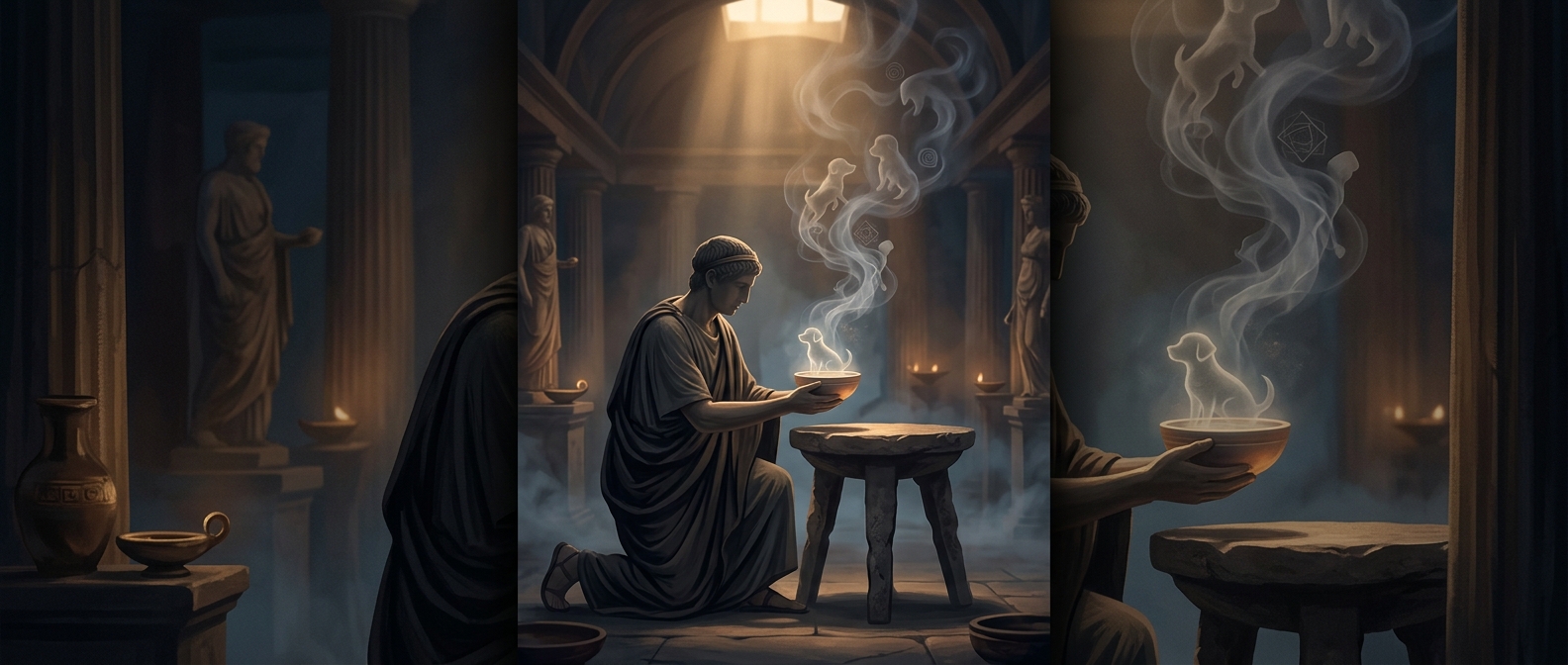
The Greeks had a horrific remedy for nerve damage that involved boiling newborn dogs alive in oil. It didn't cure anything, but it definitely ruined…

Discover more
Canadian researchers extracted insulin to save diabetics
History

Canadian researchers extracted insulin to save diabetics

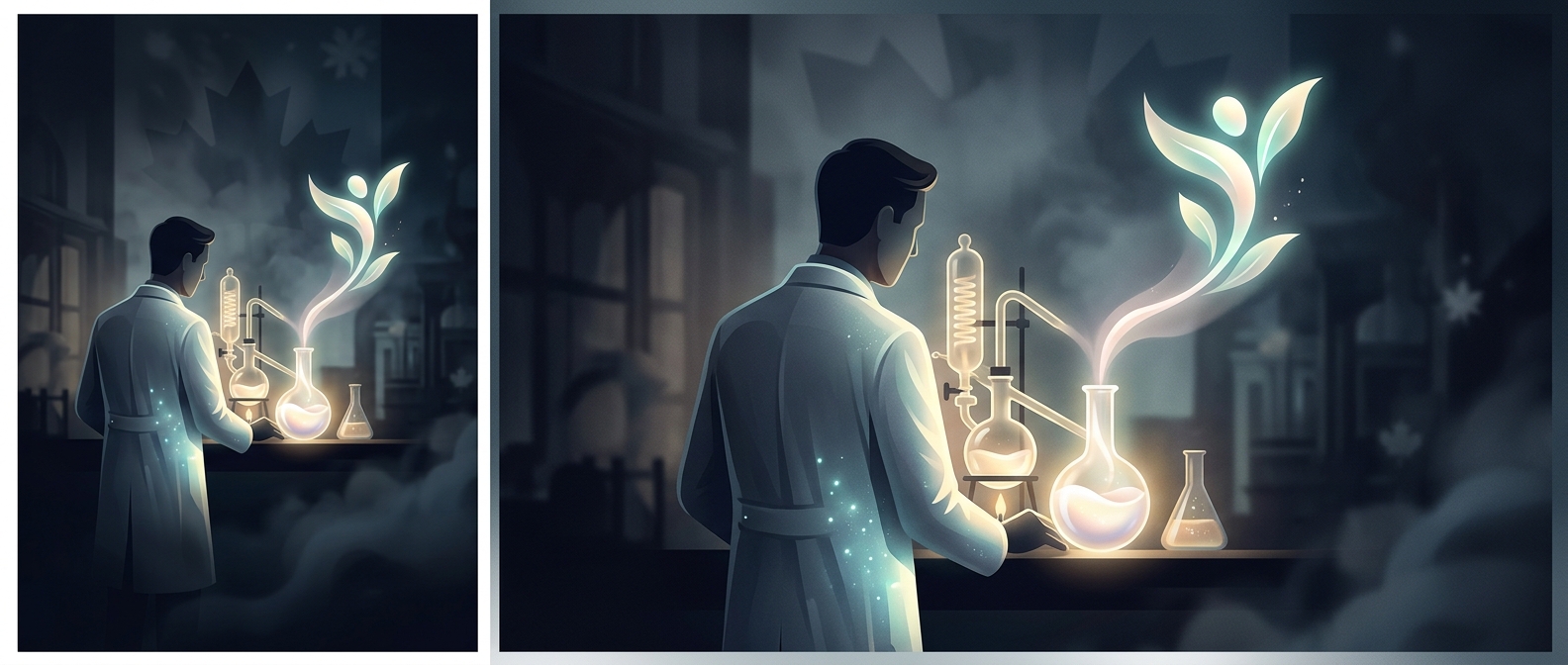
Before the 1920s, a diabetes diagnosis was functionally a death sentence managed only by starvation diets. Researchers finally figured out how to extract a…

Discover more
Doctors once prescribed sun-dried dog poop
History

Doctors once prescribed sun-dried dog poop

The medical term was 'Album graecum', which is just a fancy way of saying sun-dried white dog poop. They mixed it with honey and forced patients to swallow it…

Discover more
The bizarre ancient treatment for blindness
History

The bizarre ancient treatment for blindness

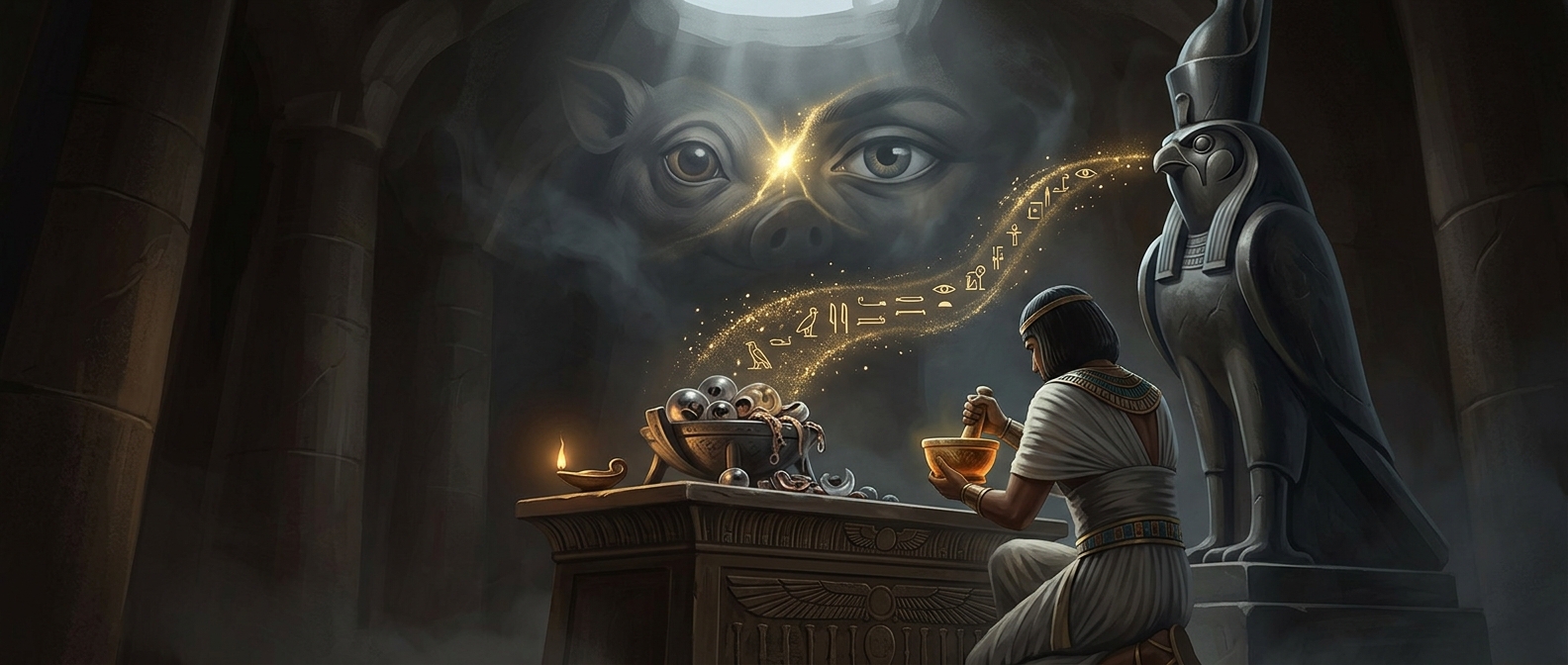
Ancient anatomy was basically guesswork. To cure blindness, they squashed a pig's eye and poured the gooey remains directly into the patient's ear, expecting…

Discover more
Doctors once cut tongues to treat stuttering
History

Doctors once cut tongues to treat stuttering

Because clearly, the best way to handle a speech impediment is to violently chop off the actual speech organ. In the 18th and 19th centuries, surgeons…

Discover more
Ancient historians documented that Alexander the Great's body mysteriously failed to decompose for six days after his death, which modern scientists now believe means he was tragically buried alive.
History

Ancient historians documented that Alexander the Great's body mysteriously failed to decompose for six days after his death, which modern scientists now believe means he was tragically buried alive.

Ancient historians documented that Alexander the Great's body mysteriously failed to decompose for six days after his death, which modern scientists now…

Discover more
StackyMore discoveries in the app
Download on the App Store