A report of an unnaturally still body
Ancient writers described Alexander’s body as remaining apparently unchanged for several days after his death. In the hot climate of Babylon, where he died in 323 BCE, that detail stood out: decomposition would ordinarily be expected to become visible. But the accounts were written long after the event, and “unchanged” is not a precise medical observation. It may reflect what witnesses believed they saw, how later storytellers shaped the episode, or both.
How paralysis could confuse the signs of life
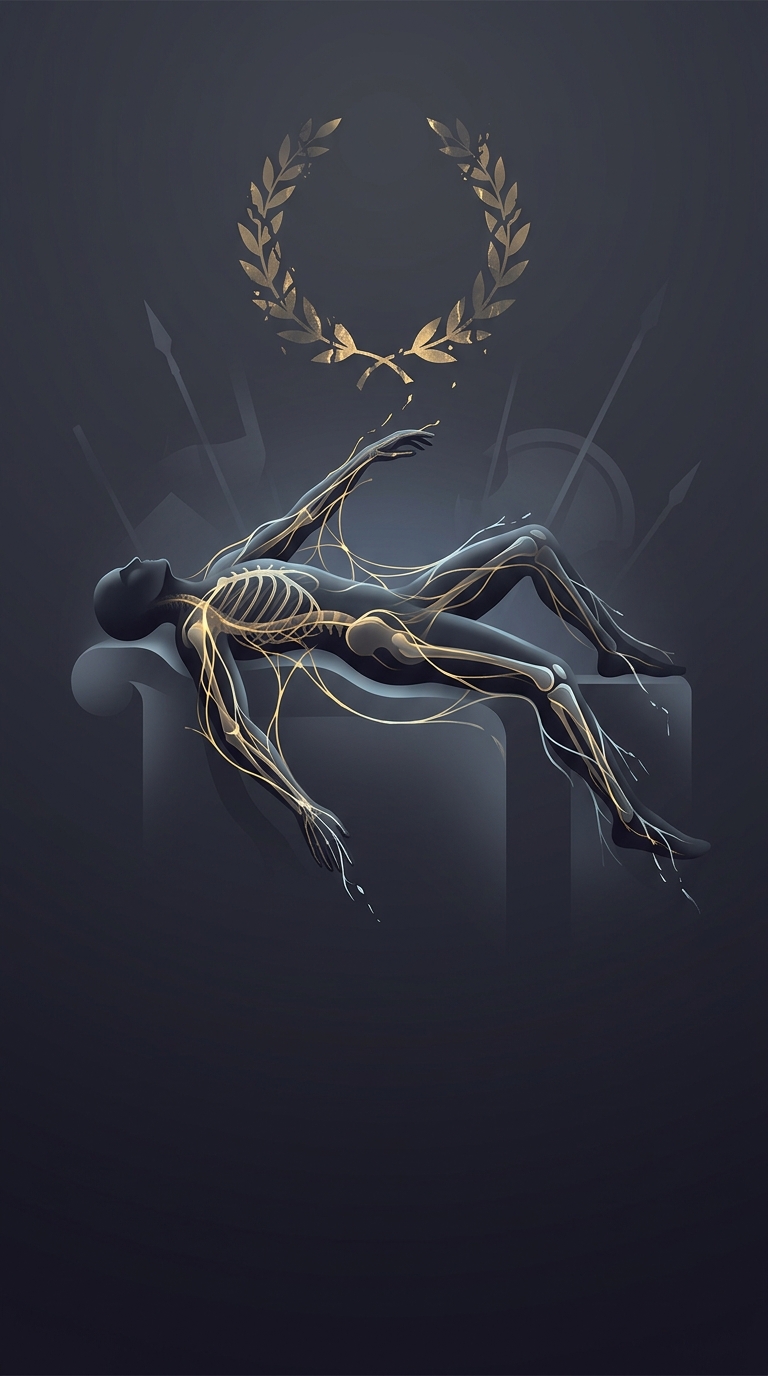
A modern explanation sometimes proposed is Guillain–Barré syndrome, a rare disorder in which the immune system damages nerves. It can cause rapidly worsening weakness and, in severe cases, paralysis. A person may remain conscious even while losing the ability to move or speak; if the muscles needed for breathing are affected, the condition can become fatal.
That possibility offers a mechanism for a frightening mistake: observers without modern ways to check breathing, heartbeat, or brain activity might have taken profound immobility for death. Yet the diagnosis is retrospective—an attempt to interpret a sparse ancient account, not something that can be confirmed from the surviving evidence. The reported lack of decay is likewise not proof that Alexander was alive.
A clue, not a verdict
The story’s force comes from the gap between outward appearance and inner awareness. If the account preserves a real observation, a body that seemed unusually fresh could have prompted questions about whether death had been recognized correctly. But it cannot establish what happened during those days, or whether the proposed illness was responsible. The unsettling possibility remains a historical hypothesis, not a recovered medical fact.