A closer look
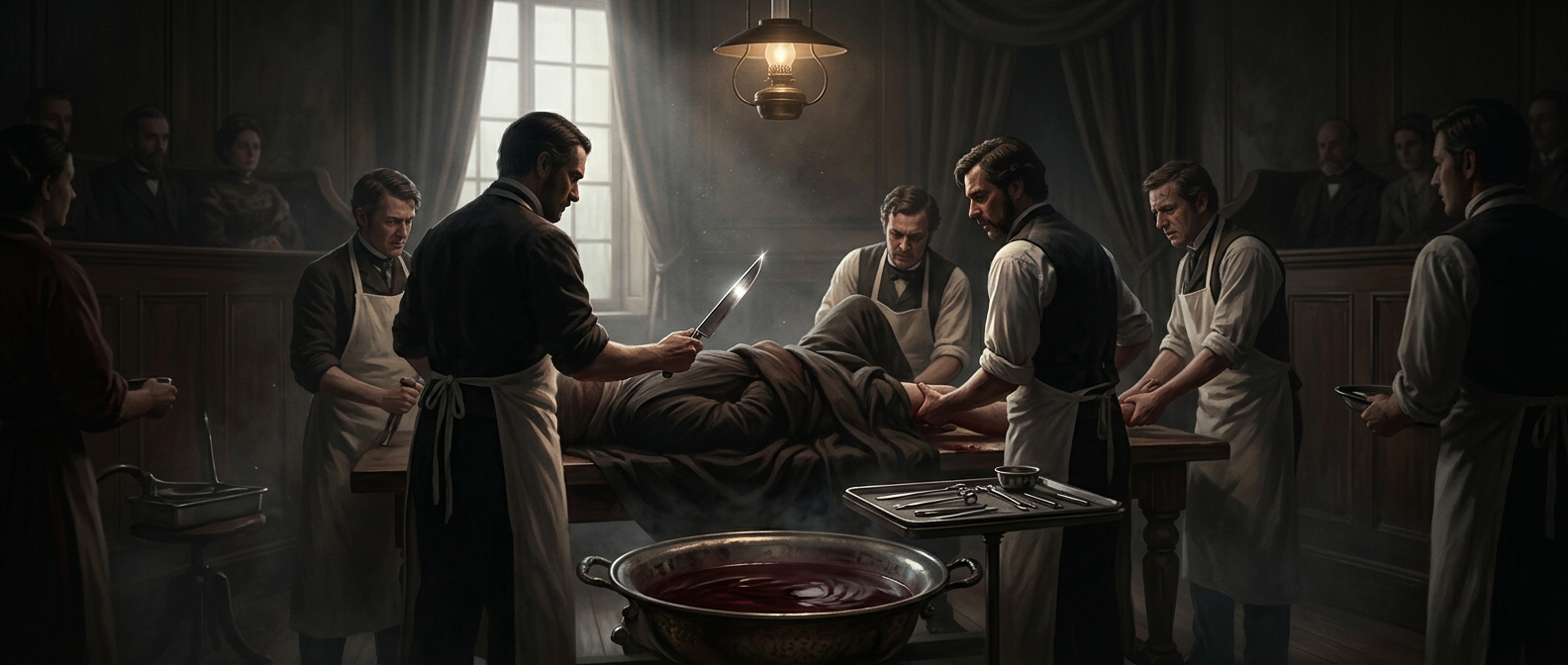
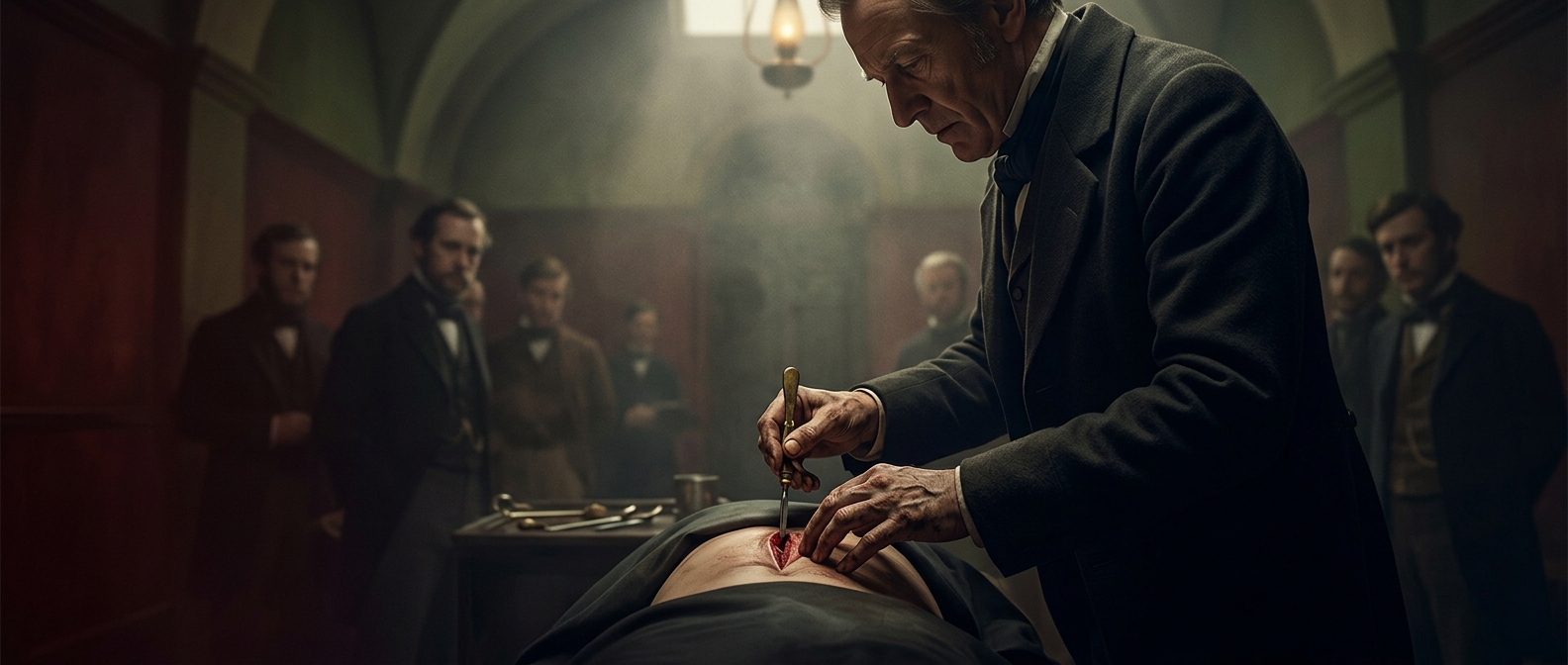
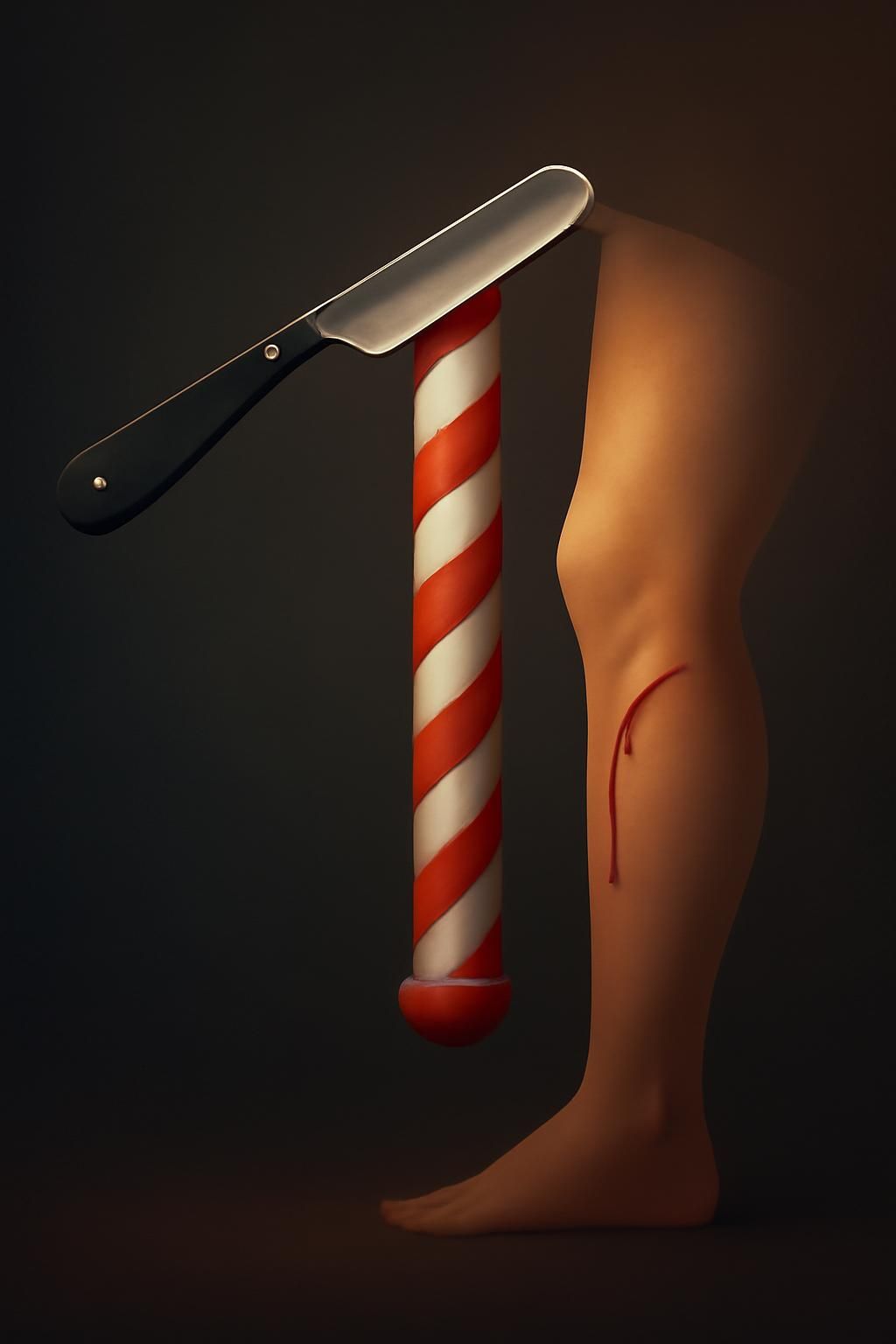
For centuries, the person who shaved your beard might also cut open your leg. Barber-surgeons were the multitaskers of medieval Europe, handling everything from haircuts and tooth extractions to amputations and bloodletting. The iconic red-and-white barber pole is not decorative; it symbolizes bloody bandages wrapped around a stick that patients gripped during procedures. Physicians of the time considered surgery a low-status craft beneath them, so they left it to barbers, who worked with razors daily. Operations were performed without anesthesia, antiseptics, or a deep understanding of infection, so speed was valued over precision. Many patients died from shock or sepsis, and yet these rough practitioners also kept countless people alive who otherwise had no help at all. Modern surgery, with its sterile rooms and specialized surgeons, grew out of this messy, improvised world where a bad haircut was the least of your worries.