The king’s fistula demanded a new kind of operation
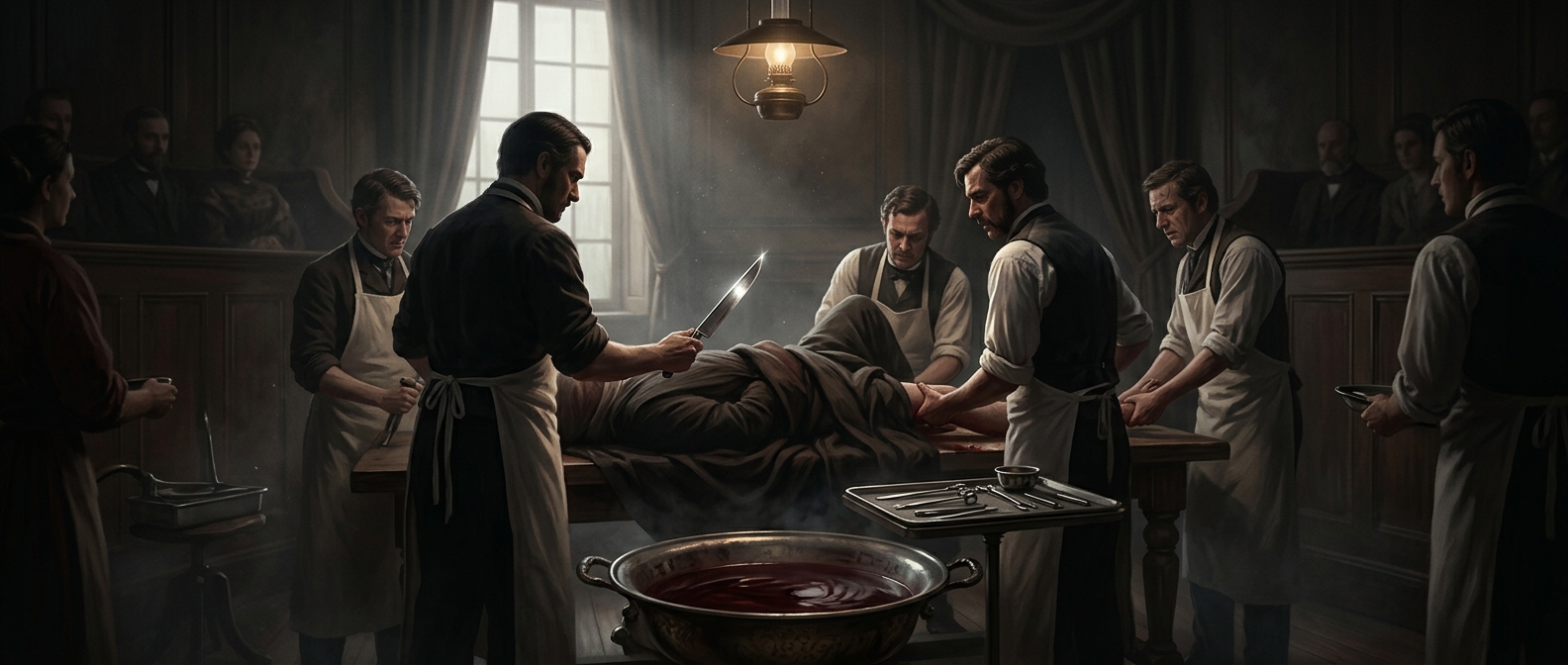
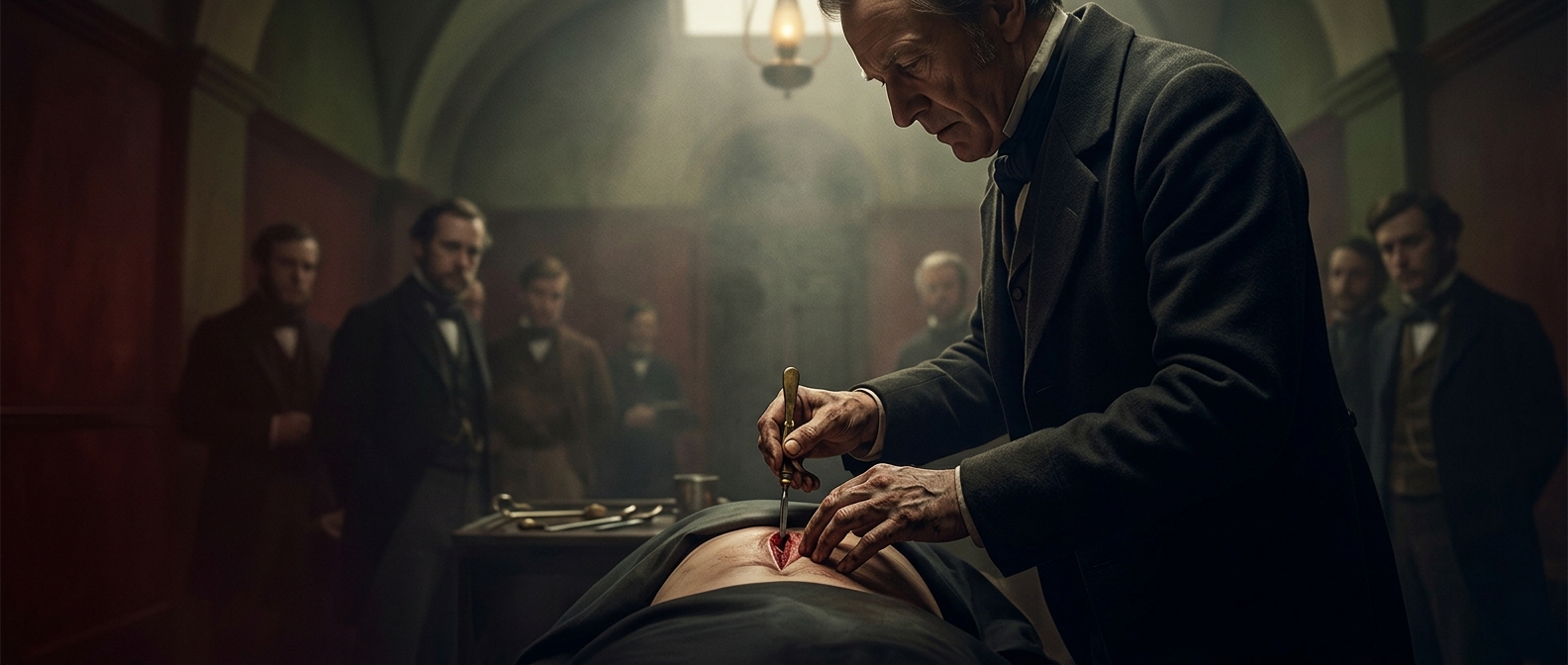
In 1686, Louis XIV faced a painful condition called an anal fistula: an abnormal tunnel connecting the inside of the anal canal to the skin nearby. Treating it meant cutting through tissue around a delicate, infection-prone area. The operation was difficult even for an experienced surgeon—and the patient was the king.
The royal surgeon Charles-François Félix prepared for the procedure by developing specialized instruments, including probes and cutting tools shaped to follow the fistula’s course. That mattered because a surgeon had to locate and open the tract while limiting damage to surrounding tissue. There was no modern anesthesia or antisepsis to make the task safer; the operation depended on the surgeon’s skill and careful preparation.
A royal success changed surgery’s reputation
Félix’s operation succeeded, and the king’s recovery made the result impossible to treat as an obscure technical feat. Surgery had long been closely associated with barber-surgeons, who performed practical procedures such as bleeding and wound care, while physicians held greater social and professional status. A successful operation on the monarch demonstrated that surgery could demand specialized knowledge, instruments, and training—not merely manual dexterity.
The procedure did not instantly erase the old hierarchy, but royal attention helped strengthen the case for surgery as a serious profession. The striking detail is that a problem hidden in one patient’s body became a public test of an entire craft: Félix had to make the tools, master the technique, and prove that surgery belonged at court.