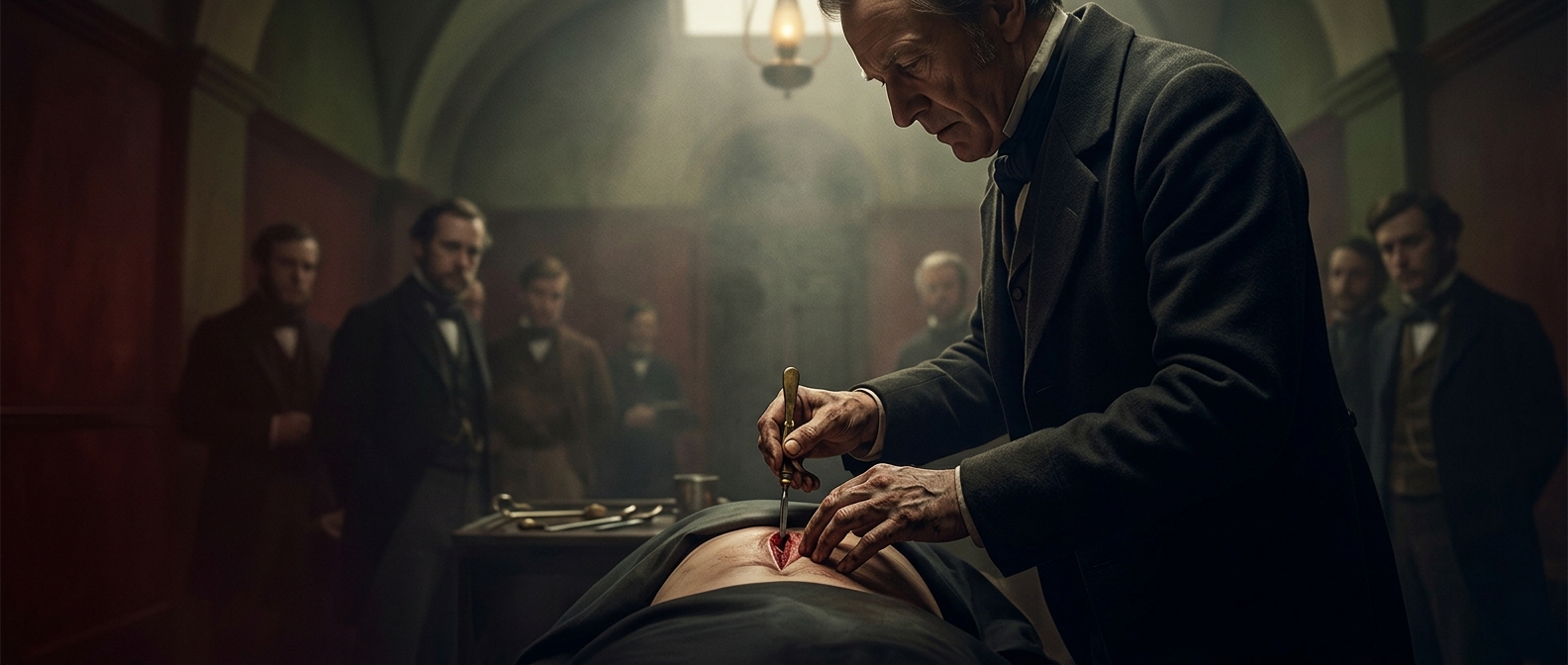
Why Speed Mattered in the Operating Room
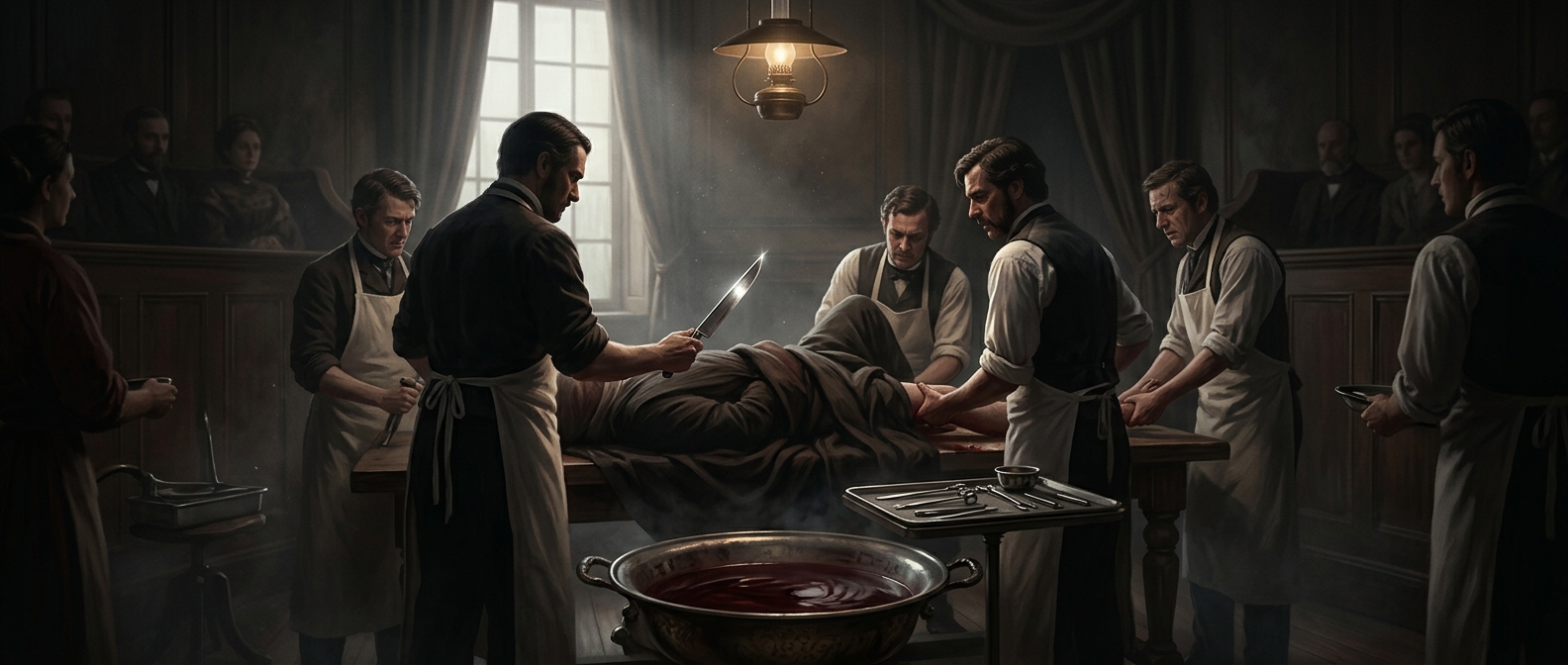
Before reliable general anesthetics, an operation could leave a patient conscious of pain throughout. Surgeons had few dependable ways to make someone unconscious; alcohol or opium might dull distress, but could not predictably remove the pain of cutting. Patients were sometimes held or strapped down, while assistants helped keep the operation possible.
In an amputation, speed therefore mattered in a direct, human way: it could limit how long a patient endured the procedure. A surgeon known for operating quickly was admired not only for technical skill but also for reducing that immediate ordeal. The measure was brutal because the clock tracked a person’s suffering.
The Cost of Operating Fast
Speed was not the same as safety. Surgeons still had to control bleeding and remove the limb effectively, and haste could make precision harder. Before anesthesia, however, there was no easy way to trade a longer operation for a calm, motionless patient. The surgeon worked against both the demands of the procedure and the patient’s pain.
The arrival of inhaled anesthetics in the 1840s changed that balance. When patients could be rendered unconscious, operations no longer had to be compressed so severely just to shorten the time they felt pain. The change did not make surgery instantly safe, but it transformed what counted as a surgeon’s most urgent advantage: speed had been a way to limit suffering; anesthesia made more deliberate work possible.