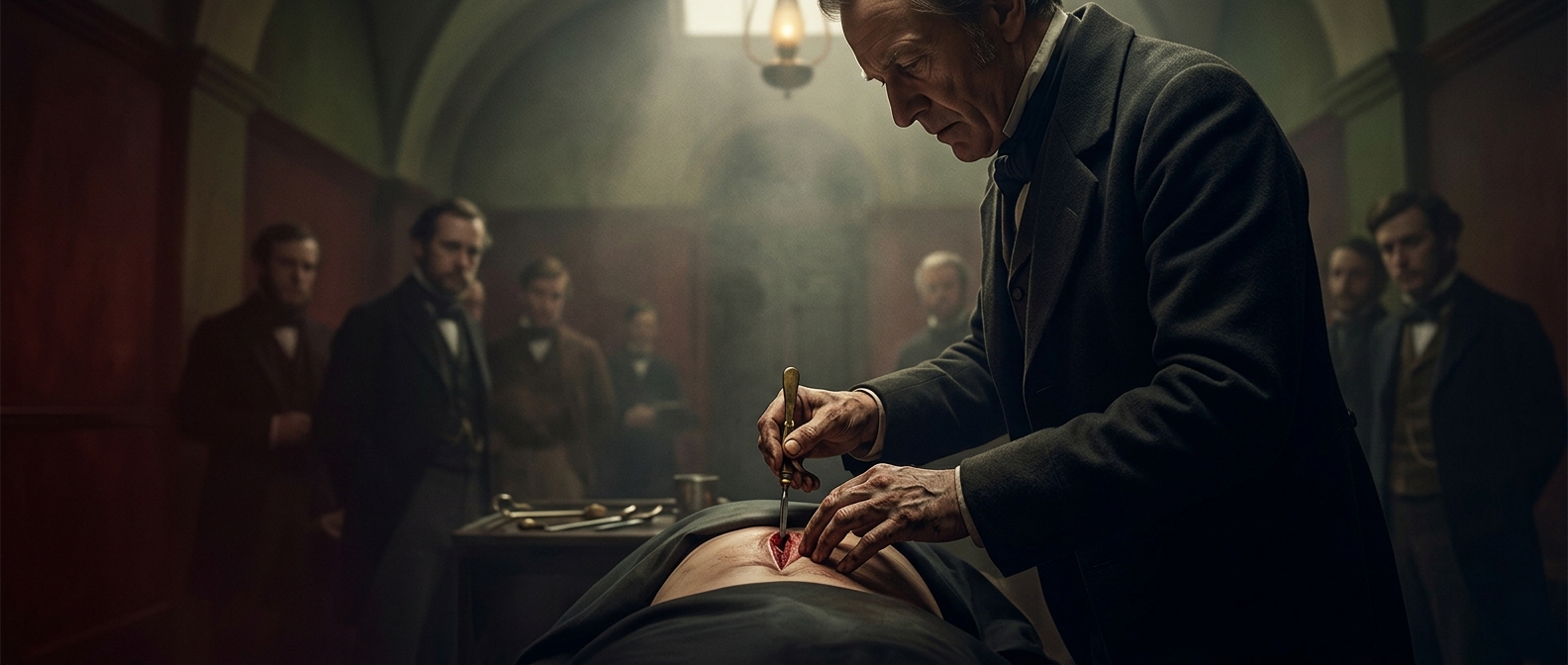
How an autopsy could endanger a delivery
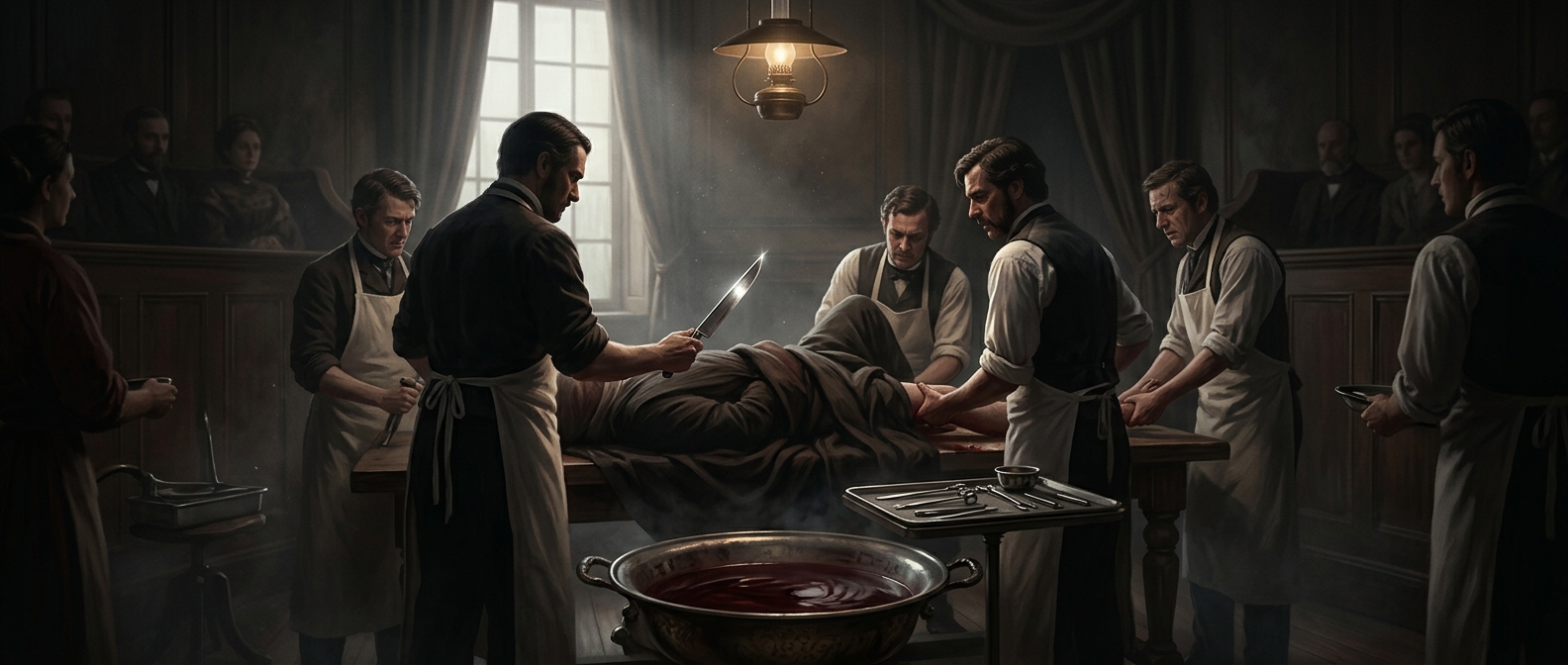
In the 19th century, a physician might examine a corpse and then attend a woman giving birth without understanding that material from the dead could be carried into a living patient. Hands and clothing could transfer infectious matter during an examination. During childbirth, the body’s tissues are vulnerable to infection, and bacteria introduced into the reproductive tract can cause severe illness after delivery, including the deadly condition then called childbed fever.
The danger was hard to recognize because infection did not look like a substance being carried from one patient to another. Doctors often blamed the fever on other causes, such as bad air or the strain of childbirth. A bloodstained coat could be read as evidence of hard experience, not as a warning that it might be contaminated.
A practical intervention before a full explanation
At Vienna General Hospital in the 1840s, physician Ignaz Semmelweis noticed that women cared for by doctors and medical students were dying of childbed fever more often than women in a ward staffed by midwives. After a colleague died from an infection following an autopsy injury, Semmelweis suspected a connection between corpse examinations and the illness in the maternity ward.
He required doctors and students to wash their hands with a chlorinated solution before examining patients. The intervention reduced deaths in the clinic. Its logic was practical: remove the infectious material before moving from one body to another, even when its exact nature was unknown.
Why the lesson was difficult to accept
Germ theory—the explanation that microscopic organisms cause many infections—had not yet become established. Without that framework, handwashing could seem like an arbitrary ritual, and the suggestion that physicians themselves were spreading disease challenged their professional standing. The episode shows how a medical routine can be dangerous not because doctors intend harm, but because an invisible chain of transmission goes unrecognized.
The essential change was small enough to fit between two tasks: clean the hands before moving from the dead to the living.