Crocodile dung was one recorded contraceptive ingredient
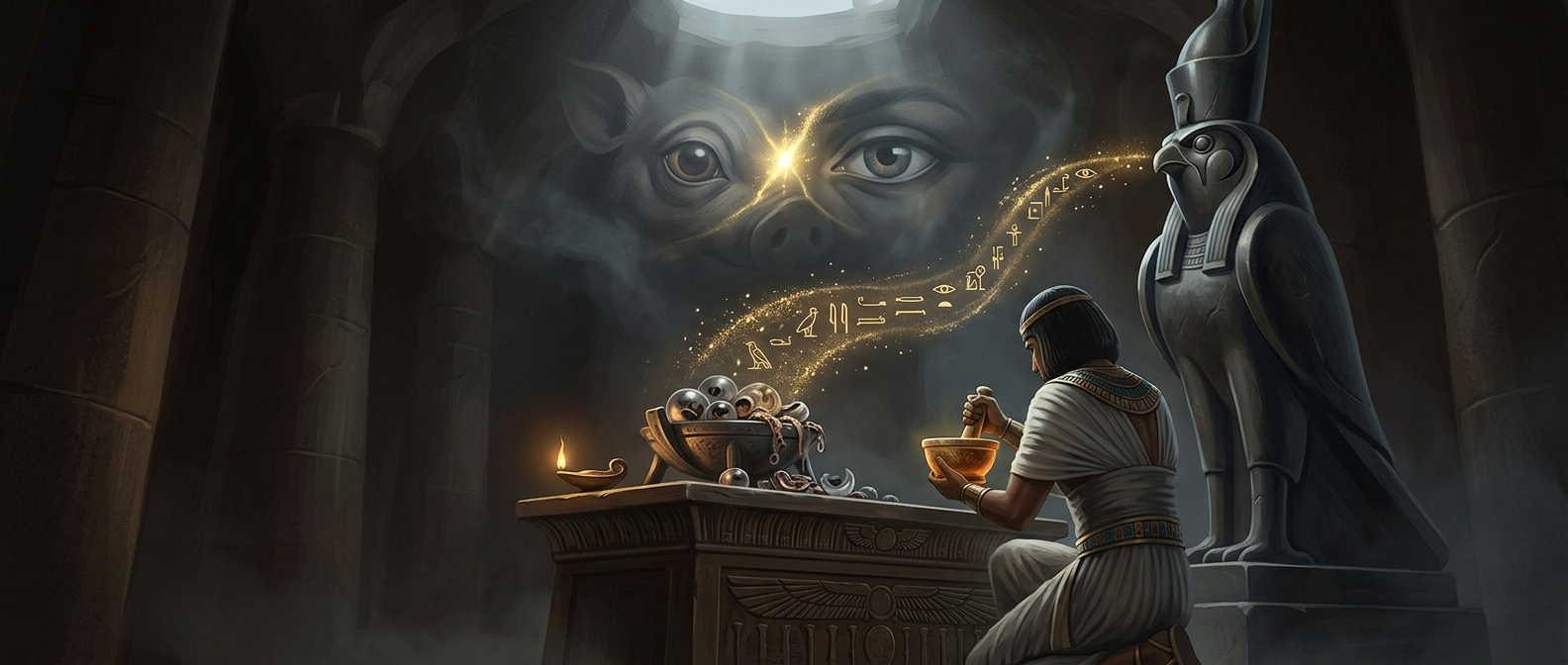
Ancient Egyptian medical texts describe women using vaginal pessaries—small plugs or mixtures placed inside the vagina—as contraception. One recipe, preserved in the Kahun medical papyrus, included crocodile dung mixed with a paste-like base. Other surviving recipes used ingredients such as honey, dates, or acacia.
These were not modern, standardized products. A pessary could be shaped from a mixture and inserted before sex, where it was meant to act as a barrier or otherwise prevent conception. The texts record what practitioners recommended; they do not tell us how often women used each recipe, or how reliably it worked.
The recipe mattered more than the animal
Crocodile dung is the startling detail, but it was only one option in a broader practice of placing substances in the vagina. Some mixtures may have created a physical obstacle. Acacia also ferments into lactic acid, which can affect sperm, though that does not establish that ancient users understood the chemistry—or that a particular recipe was effective.
So the most accurate answer is not that Egyptian women routinely relied on crocodile dung. Ancient Egyptian medical records preserve it as one proposed ingredient in a contraceptive pessary, alongside less sensational plant-based mixtures. The recipes show an effort to control fertility, even when the methods were very different from contraception today.