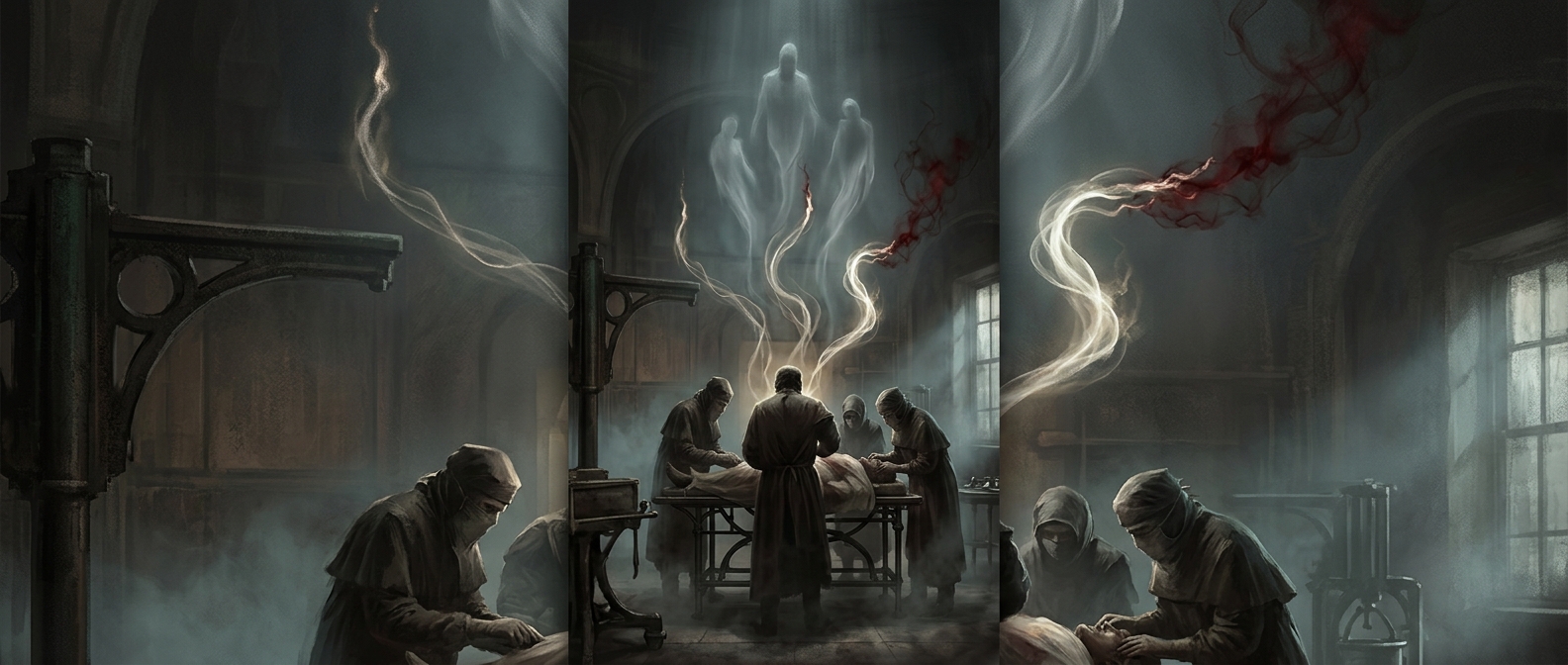
A route through the lungs, not a hidden hole
For centuries, a prominent explanation of the heart’s anatomy held that blood could pass directly from its right side to its left through tiny, invisible openings in the wall between them. Ibn al-Nafis rejected that idea. The wall, he argued, was too thick for such a passage; blood had to take another route.
His alternative was pulmonary circulation: blood leaves the right side of the heart through a vessel leading to the lungs, passes through the lungs, and returns to the left side through another vessel. In plain terms, the lungs were part of the route between the two sides of the heart—not a detour that could be skipped.
Why the correction mattered
Ibn al-Nafis was not simply naming vessels. He was proposing a different mechanism for how blood moved through the body, challenging an inherited account associated with the ancient physician Galen. His reasoning made the lungs essential to the passage of blood from one side of the heart to the other.
That account came centuries before European physicians described circulation in the 17th century. It does not mean Ibn al-Nafis set out the entire modern model of blood circulation. But it does show that a key piece of the puzzle—the route from heart to lungs and back—had been reasoned out much earlier in the medieval Islamic medical world. The crucial change was replacing an imagined shortcut through the heart’s wall with a path that ran through the lungs.