Why speed mattered in Liston’s operating room
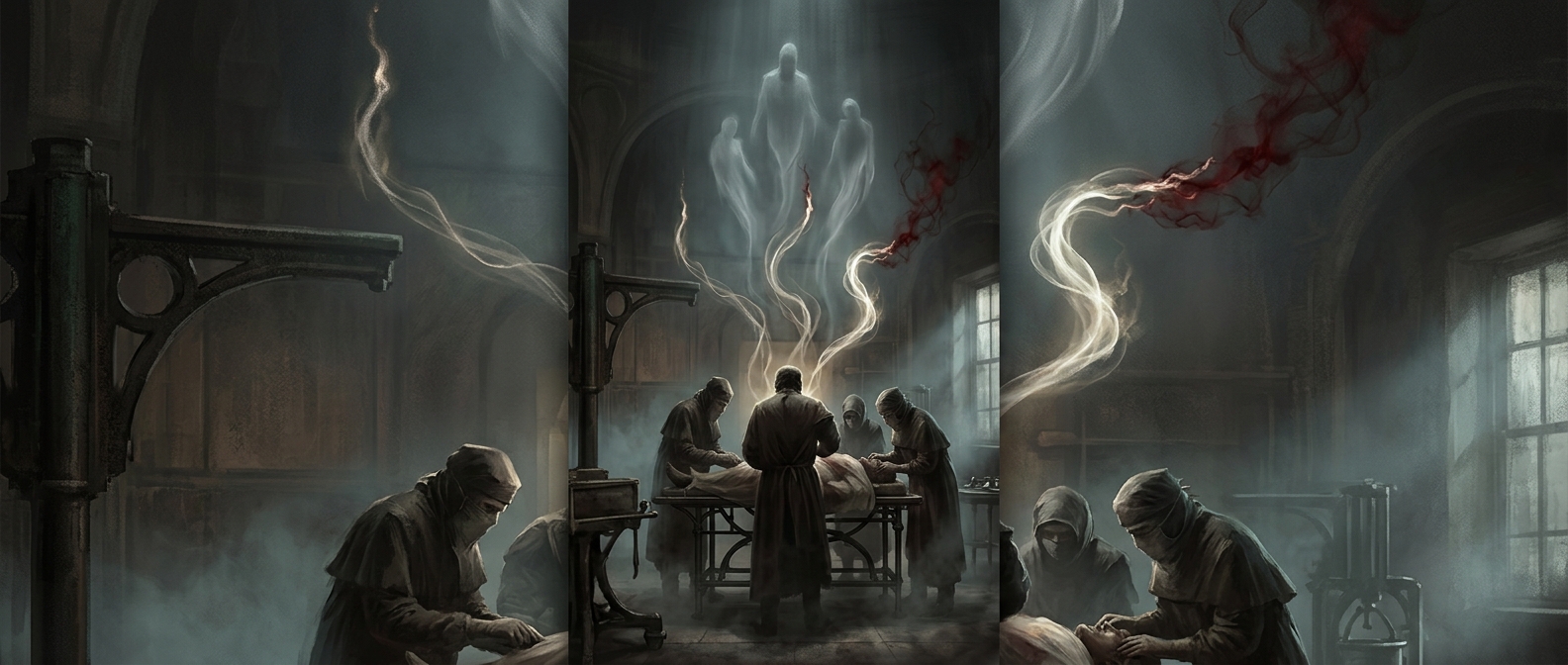
Before reliable anesthesia, an operation could not simply be made comfortable by putting a patient to sleep. Surgeons worked while patients were conscious, and a long procedure meant prolonged pain and distress. Amputating a limb quickly could limit that ordeal, so speed was a practical skill—not merely a display of bravado.
Robert Liston, a celebrated 19th-century surgeon, became associated with extraordinary speed. A story about one amputation pushed that reputation to its grisly extreme: Liston supposedly injured an assistant and frightened a spectator during the operation, with later versions claiming all three people died.
How an operating-room mishap became a legend
The tale’s punchline depends on treating three very different outcomes as one surgical death count. The patient and assistant are said to have died afterward from infection; the spectator supposedly died of fright after mistaking a cut coat for a wound. Those details belong to the anecdote, not to a dependable medical record establishing a “300 percent mortality” rate.
That distinction matters. The story offers a vivid picture of surgery before anesthesia and antiseptic practice made operations less painful and safer, but it cannot reliably tell us what happened in that particular room. Its endurance comes from the way it compresses the era’s real hazards—pain, haste, accidental injury, and infection—into one memorable catastrophe.
Liston’s legend is therefore most useful as a window onto the pressures of early surgery, not as a statistic: when patients could not be anesthetized, every extra moment under the knife carried a cost.