The operation that severed the brain’s connections
The 1949 Nobel Prize in Physiology or Medicine went to Portuguese neurologist António Egas Moniz for developing prefrontal leucotomy, the operation later widely known as lobotomy. It was meant to treat severe psychiatric illness by cutting nerve fibers linking the frontal lobes—the brain regions involved in planning, judgment, and emotion—to other areas of the brain.
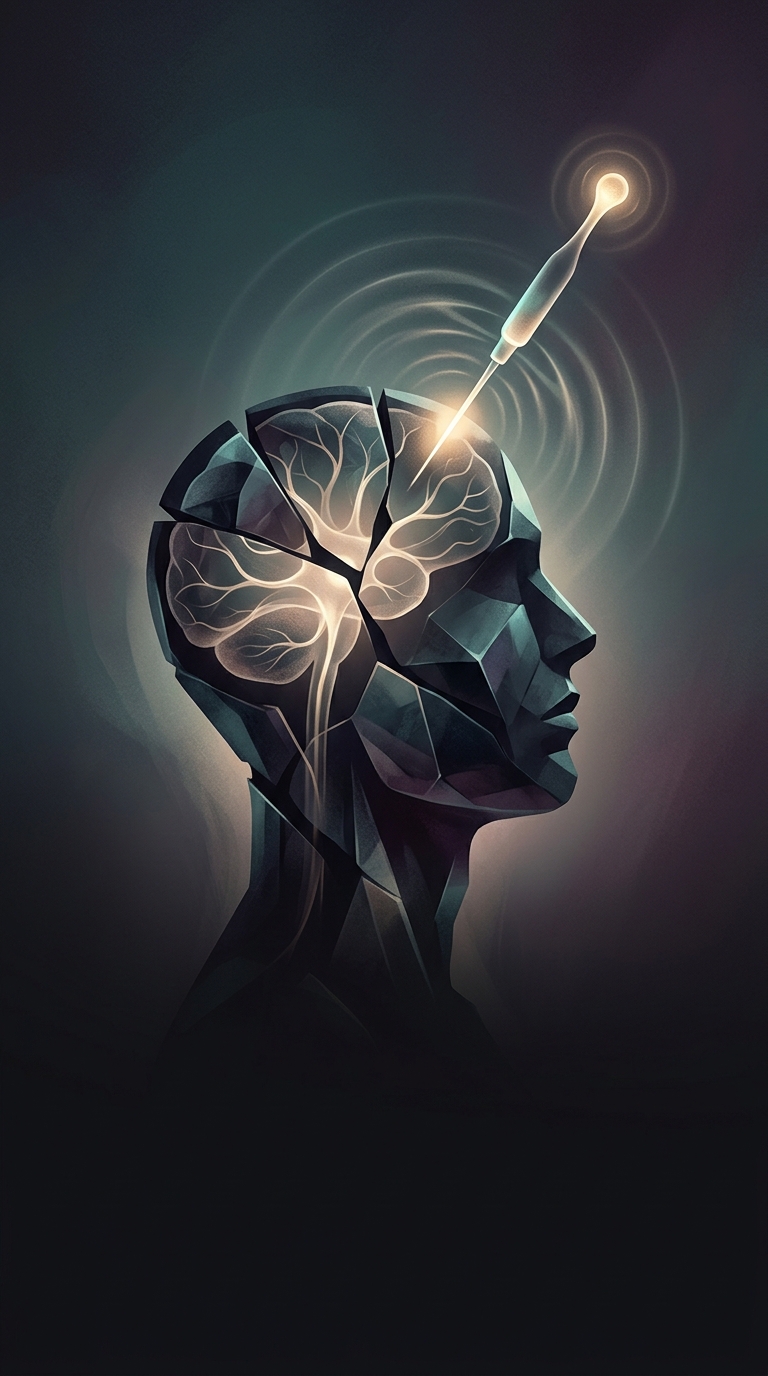
Moniz and surgeon Almeida Lima first performed the procedure in 1935. In its early form, surgeons drilled openings in the skull and inserted an instrument to damage or sever targeted fibers. The aim was not to remove the frontal lobes, but to interrupt pathways thought to sustain distressing symptoms.
Why doctors embraced it
At the time, hospitals had few effective treatments for people with severe psychosis or other disabling mental illness. Many patients spent years in overcrowded institutions, and clinicians were searching for ways to reduce symptoms that seemed otherwise intractable. Reports that some patients became calmer after surgery made the procedure appear promising, and Moniz’s work helped establish psychosurgery—the treatment of mental illness through brain operations—as a medical field.
But calmness was not the same as recovery. The same brain circuits the operation disrupted also supported initiative, emotional range, and independent decision-making. Patients could be left apathetic, impaired, or unable to manage everyday life. Later versions, including the transorbital procedure popularized in the United States, made the operation quicker and easier to perform, but did not remove its fundamental risks.
The prize and the reversal
The Nobel committee honored Moniz for the treatment’s reported therapeutic value, reflecting the optimism surrounding psychiatry’s limited options in the 1940s. As its severe and sometimes permanent consequences became clearer—and medications and other treatments emerged—lobotomy fell out of favor.
The lasting lesson is stark: an intervention can look successful if it quiets disruptive behavior, yet still devastate the person’s ability to feel, choose, and live independently.