A major award for psychosurgery
In 1949, American physician Walter Jackson Freeman II received the Lasker Award for Clinical Medical Research, together with neurosurgeon James W. Watts. The award recognized their work on psychosurgery: operations intended to treat severe mental illness by changing connections in the brain.
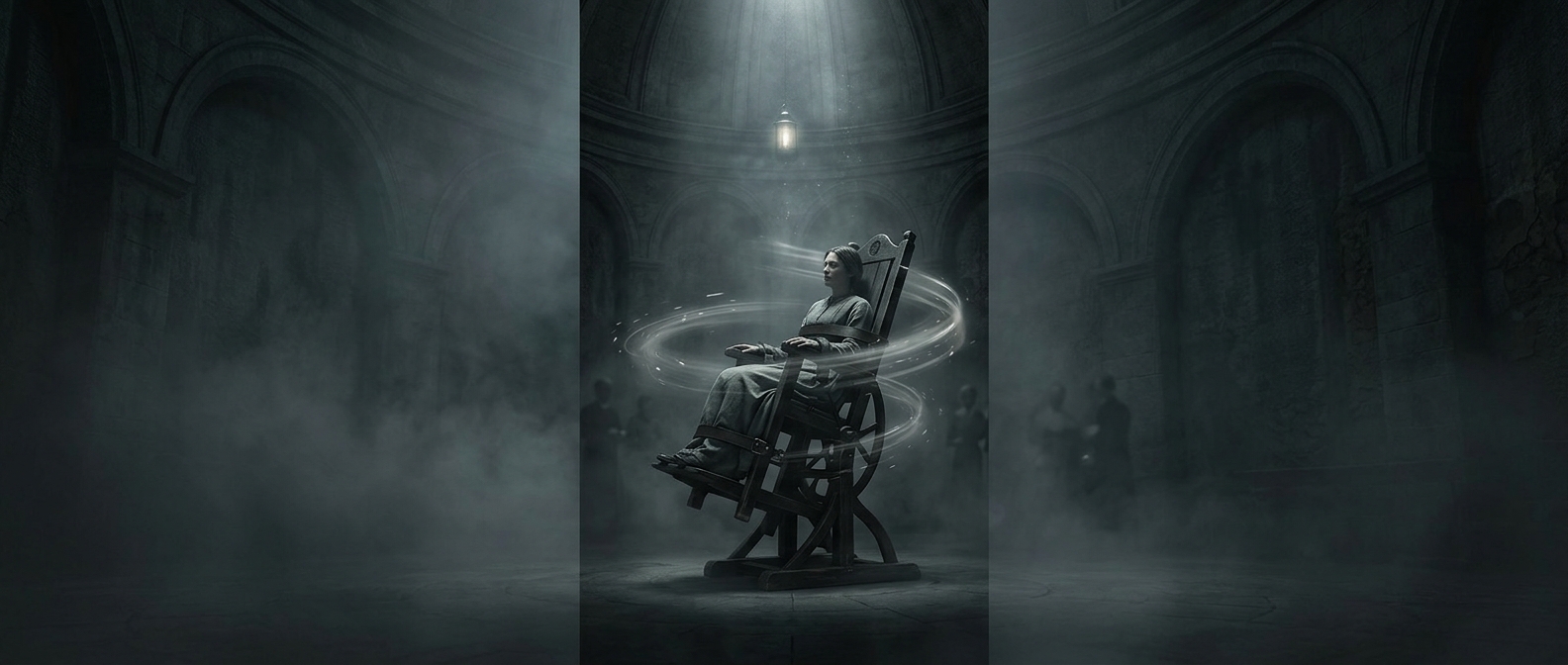
Freeman had helped introduce lobotomy in the United States and later promoted a faster approach called the transorbital lobotomy. In that procedure, an instrument resembling an ice pick was pushed through the thin bone above the eye and moved to disrupt connections in the frontal lobes, the brain regions behind the forehead. Freeman’s method could be performed without the operating-room surgery required by earlier techniques, which helped him carry it out widely.
Recognition reflected the era
The Lasker Award was a prominent medical honor, and Freeman’s receipt of it shows how seriously influential parts of the medical establishment once regarded lobotomy. At the time, doctors faced severe psychiatric illnesses with few effective treatments, and some saw the operation as a practical alternative for patients they considered otherwise difficult to manage.
That acceptance did not last. Lobotomies could cause profound, permanent changes in personality and ability, and the procedure fell out of favor as its harms became clearer and other psychiatric treatments emerged. Freeman’s award therefore marks not just professional recognition, but a period when a drastic intervention was celebrated before its consequences were fully reckoned with.