A king’s fear became a problem of government
Charles VI’s conviction that his body was glass belonged to a wider pattern of severe, recurring mental disturbances. His first major crisis came in 1392, when he suddenly attacked members of his own party during a royal expedition. Later episodes could leave him unable to recognize people or carry out the ordinary work of kingship. The glass belief was therefore not just an unusual personal fear: it emerged during periods when the French crown’s authority depended on an increasingly unpredictable king.
Protection could also preserve the fear
Accounts describe Charles trying to guard his imagined fragile body with specially reinforced clothing. Such measures could make the danger feel manageable for a time, but they did not change the belief underneath it. The logic was stark: if his body could shatter, then every movement, collision, or careless touch carried a threat. Protective clothing turned that imagined risk into a practical constraint on how he could be dressed and handled.
An absent king left room for rivals
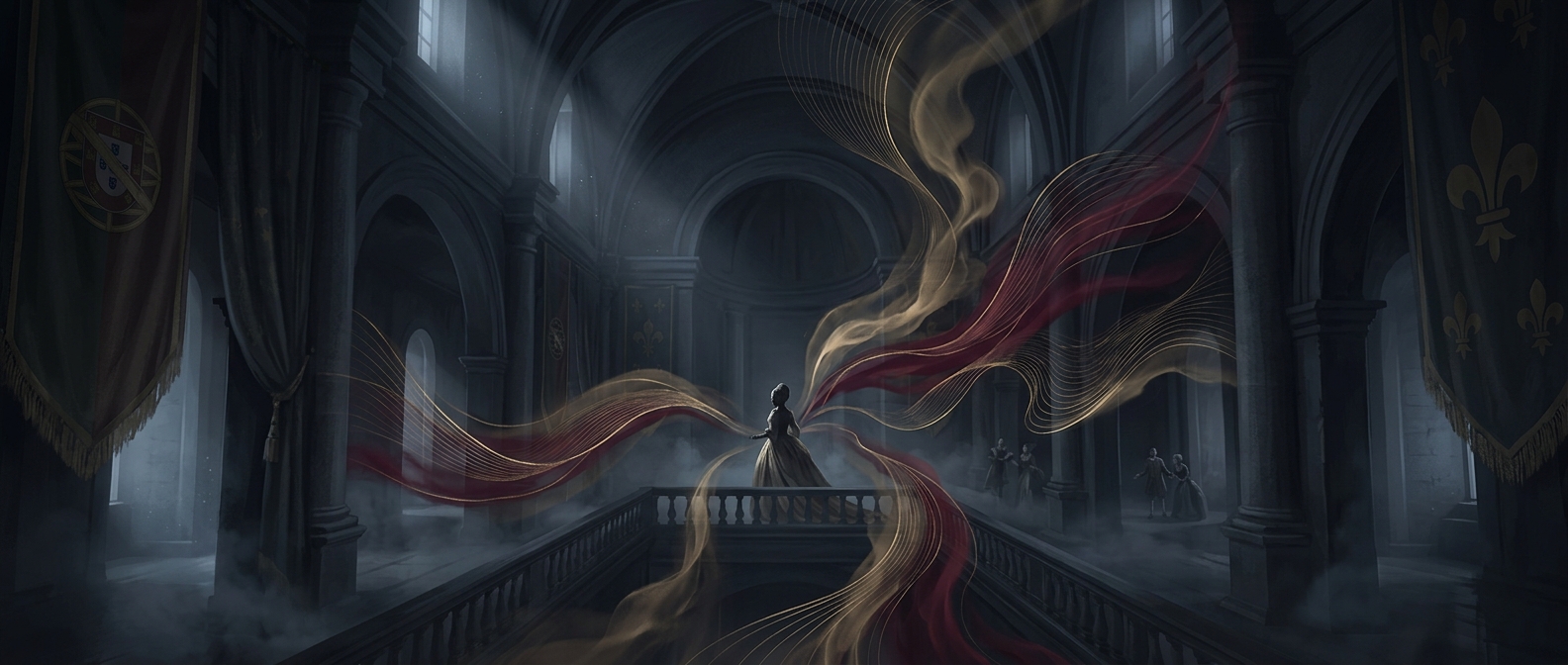
When Charles could not govern, relatives and powerful nobles competed to direct royal affairs in his name. His repeated incapacity helped intensify factional struggles at court, weakening the crown as France faced conflict at home and war with England. The glass delusion is memorable for its strange detail, but its larger significance lies in the gap it exposed: a kingdom could have a crowned king and still lack a reliably functioning center of government.