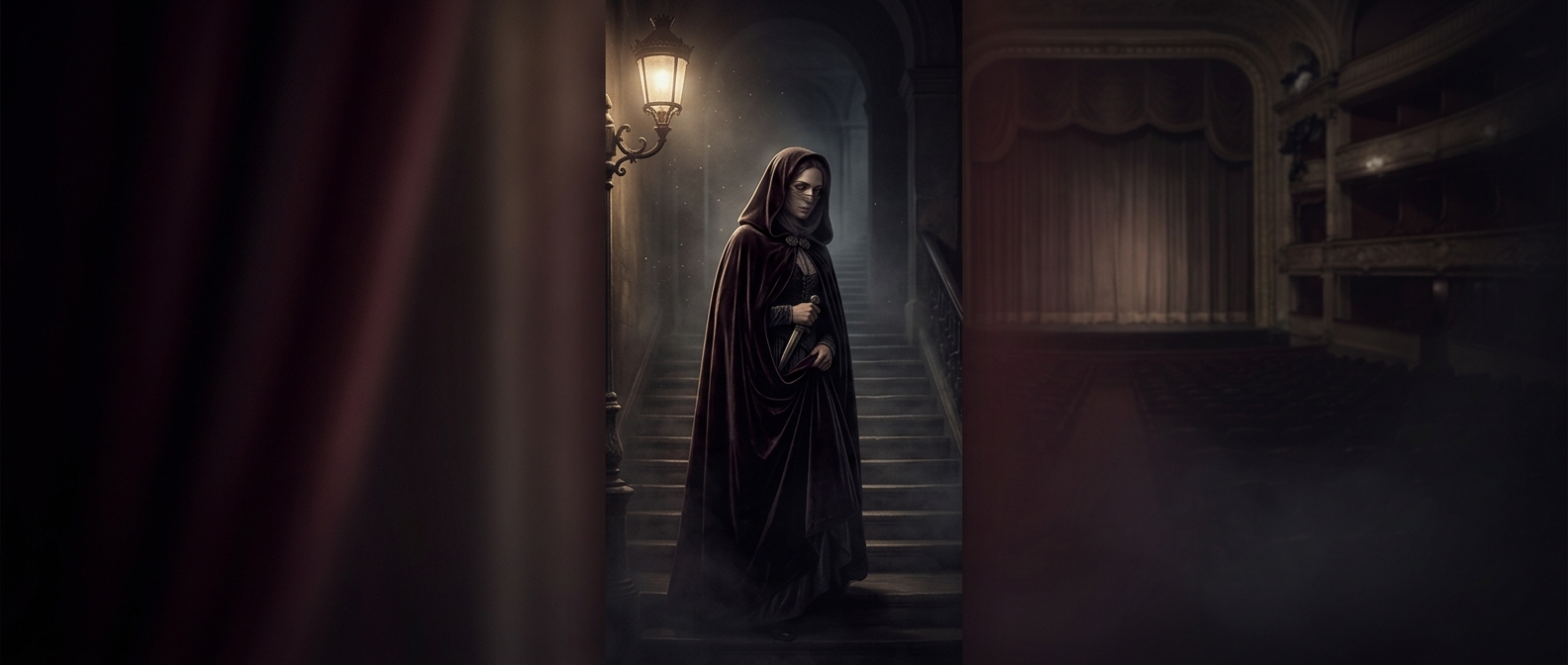
A revenge plot that changed direction
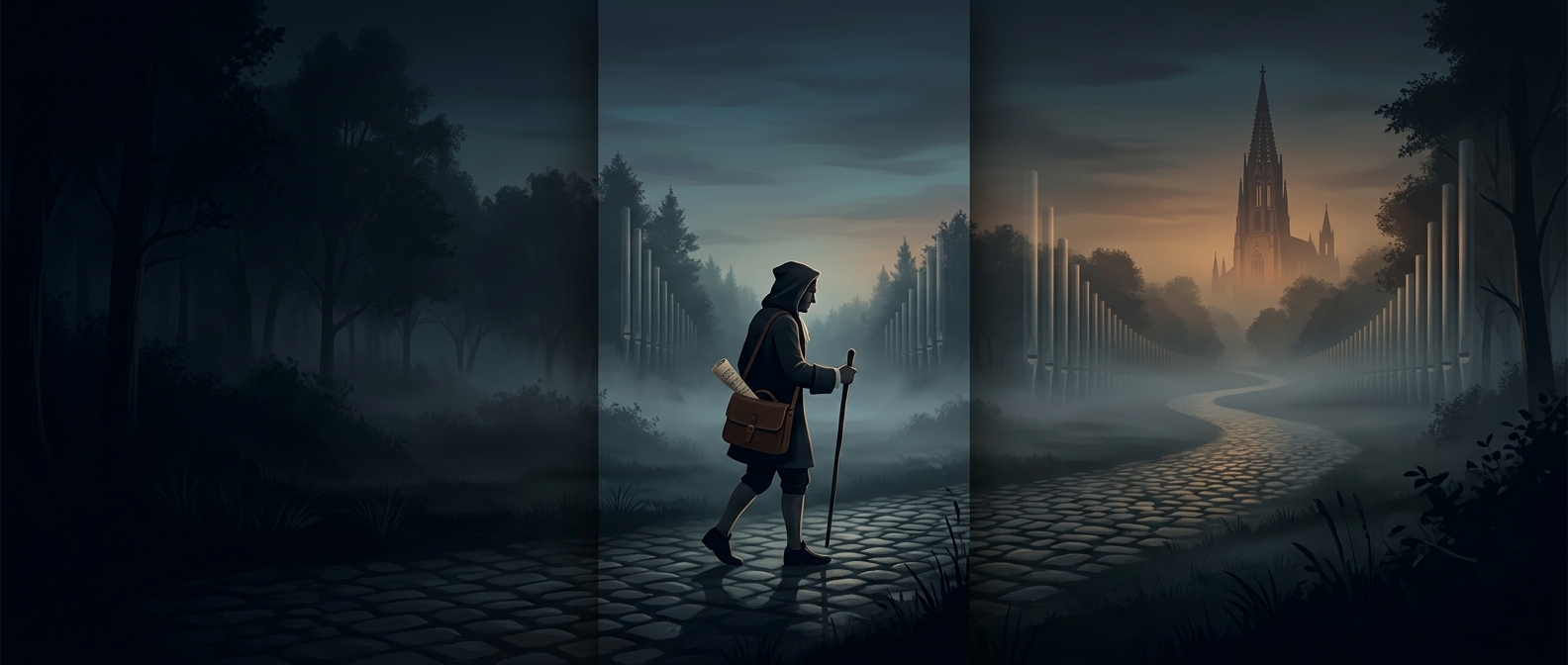
Berlioz’s plan grew out of a personal shock: Camille Moke, the pianist he had been engaged to, had ended their engagement. He set out from Italy for Paris intending to confront her and her family. The disguise and weapons made the journey more than a rash fantasy; he had worked out how he meant to carry it through.
The turn from action to composition
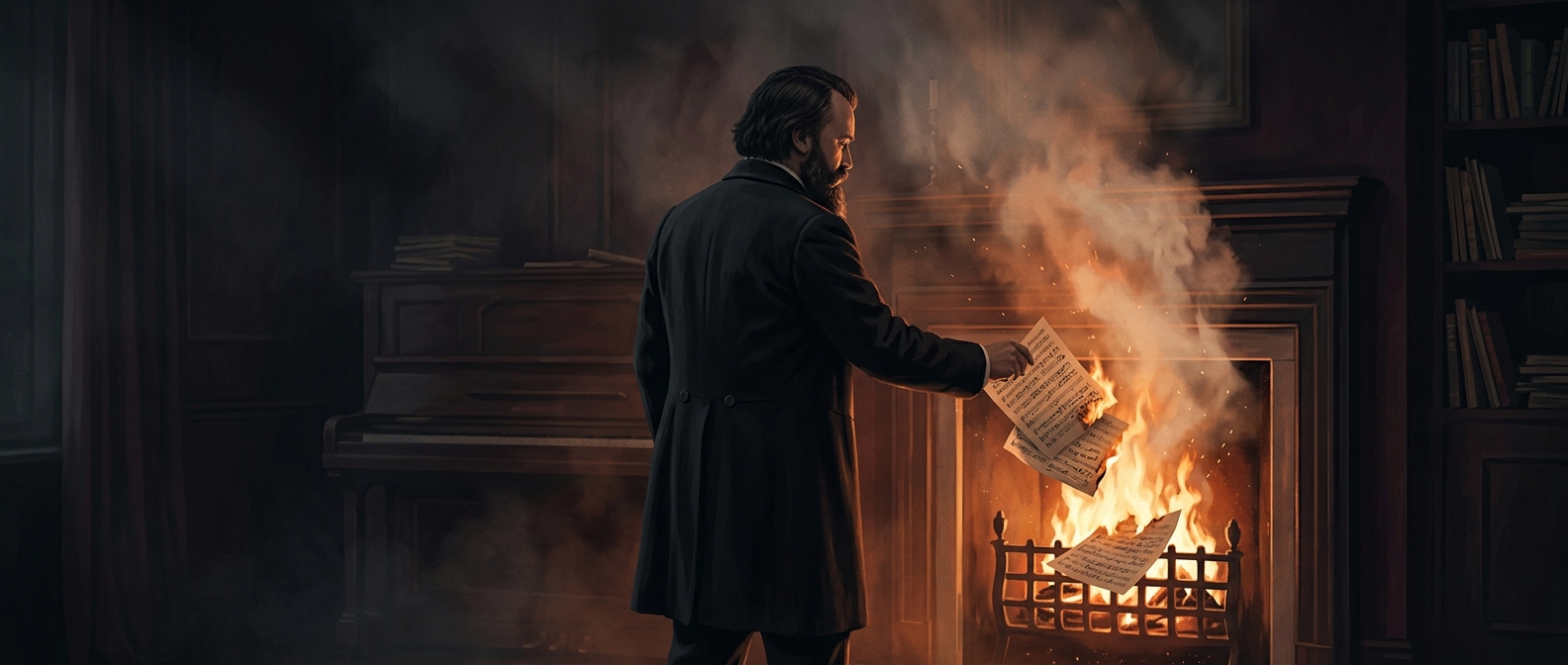
Then, on the way, he abandoned the plan and turned toward music. The striking point is not simply that an artist found comfort in work. Berlioz redirected an impulse toward a real, irreversible act into an act of creation. The symphony gave intense feeling a form he could shape, revise, and bring to an end without harming anyone.
That shift did not make the episode harmless: the plan had been serious enough to require preparation. But it changed what the journey would produce. Instead of arriving in Paris to carry out revenge, Berlioz returned to the work of making music—a change of destination in both the literal and artistic sense.