A beat kept with a staff
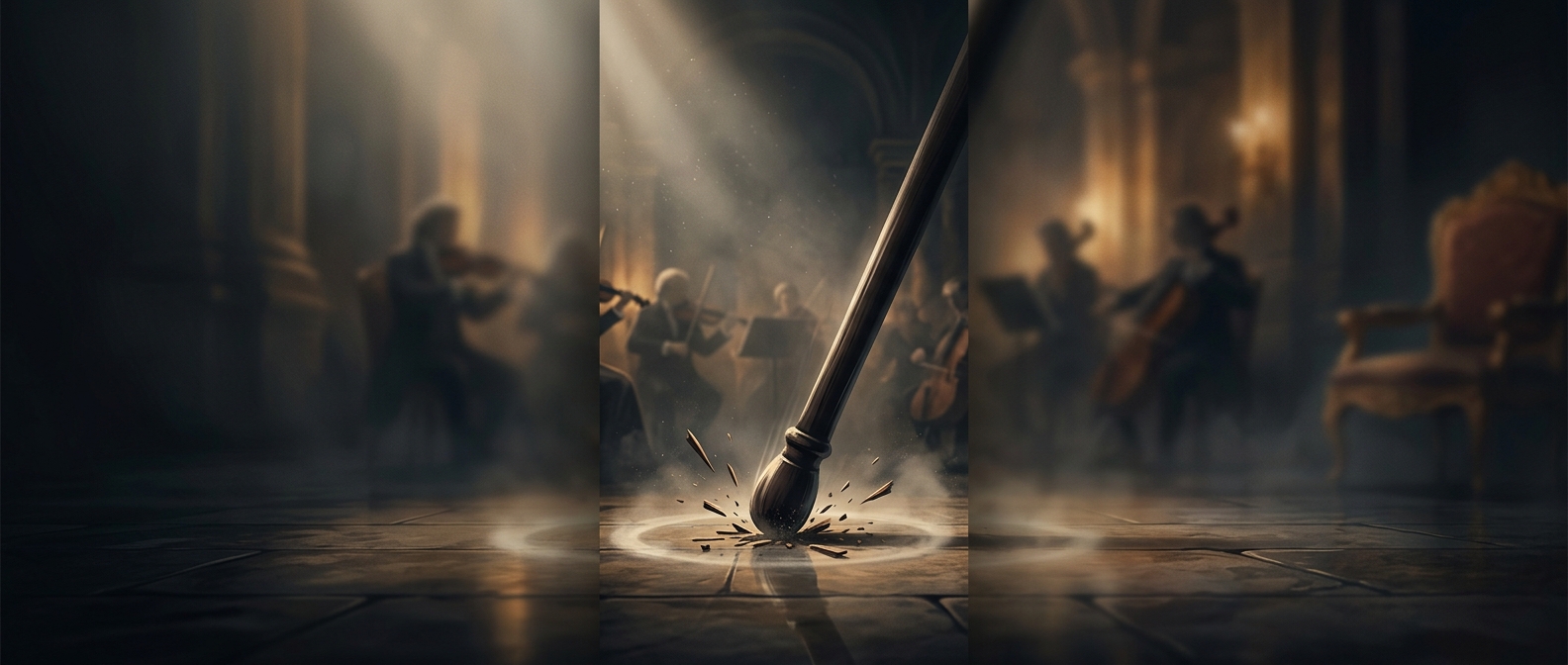
In 17th-century France, leading a performance could mean striking the floor to mark the pulse. Jean-Baptiste Lully, composer and musical director at the court of Louis XIV, used a long, heavy staff for this purpose. This was not the small baton familiar from modern orchestras: its weight made each beat audible and visible to performers.
That practical tool also put the person keeping time at risk. During a performance of a religious work in 1687, Lully struck his foot with the staff. A small injury could become dangerous before modern antiseptics and antibiotics; infection might spread through tissue and become gangrene, in which damaged tissue dies.
When the injury became fatal
Lully’s wound worsened, and he declined treatment that could have involved removing the affected part. The infection proved fatal. His death turned a routine act of musical leadership into an unusually stark reminder of how little control doctors had over an infected wound in the 17th century.
The episode also captures a moment before conducting had settled into its modern form. Lully’s job combined composing, directing performers, and making the beat physically unmistakable. The staff that made the music hold together was powerful enough to injure him—and, once infection took hold, medicine had no reliable way to reverse the damage.